DATE :
Wednesday, January 28, 2026
Sell Your Guitar to Edgewater Guitars
You have a guitar you're ready to sell, and you're weighing your options. Online marketplaces charge fees and require you to handle shipping, local shops often lowball, and private sales mean meeting strangers and risking scams.
Selling directly to a specialist buyer offers another path—one that combines fair market pricing with immediate payment and zero hassle. This guide walks you through exactly how to sell your guitar to Edgewater Guitars, what we buy, how we determine value, and how our process compares to other selling methods.
How to sell your guitar online to Edgewater Guitars
You're ready to sell a guitar, and you're wondering where to start. The best place to sell depends on what matters most to you—getting the highest possible price, receiving payment quickly, or avoiding the hassle of listing, shipping, and negotiating with strangers. For sellers with vintage Fender, Gibson, or Martin instruments, working directly with a specialist buyer typically offers the strongest combination of fair pricing and fast payment without marketplace fees.
Edgewater Guitars buys guitars through a straightforward three-step process. Here's exactly how it works.
1. Share your guitar's details and photos
Start by gathering basic information about your instrument. You can submit everything through our online form, by text, email, or by calling (440) 219-3607.
Brand: Fender, Gibson, Martin, Gretsch, or another maker
Model: Stratocaster, Les Paul, D-28, or whatever appears on the headstock or label
Year: If known—we can help determine this from photos
Serial number: Usually found on the headstock, neck plate, or inside the body
Condition notes: Any modifications, damage, repairs, or wear
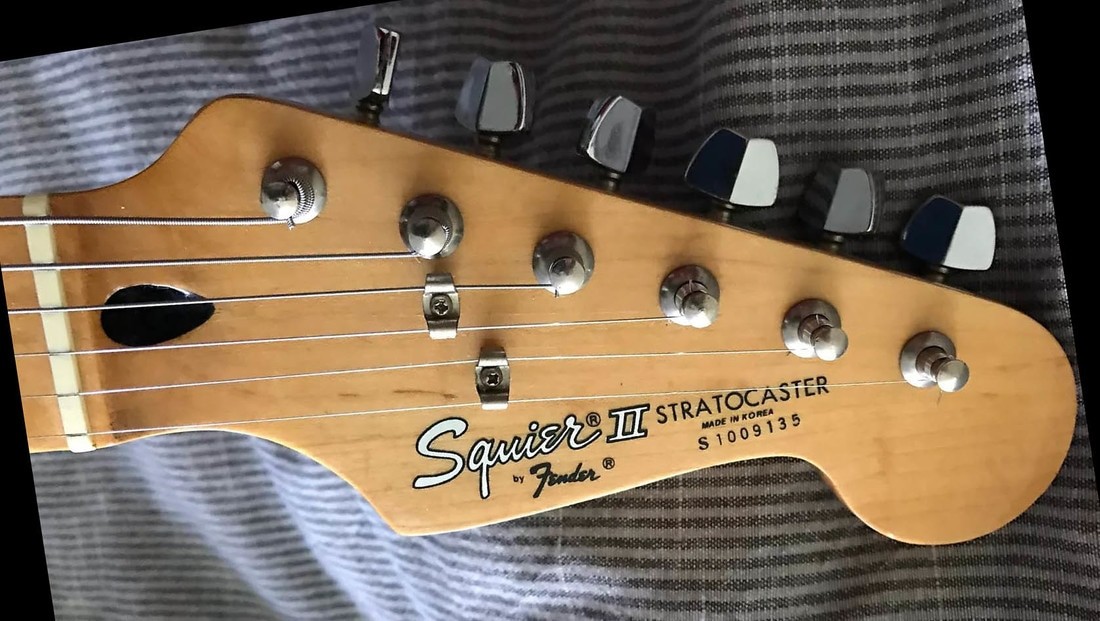
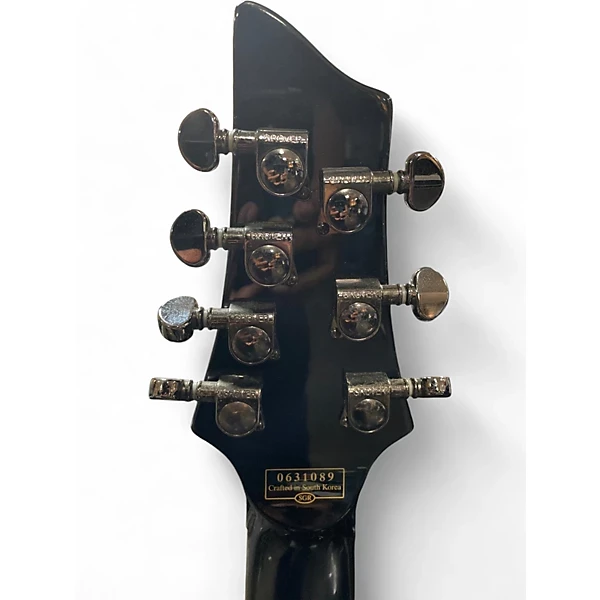
Photos: Clear pictures of the front, back, headstock, serial number, and any notable features
If you're missing some details, that's fine. We can often identify instruments from photos alone.
2. Receive your expert appraisal and cash offer
After you submit your information, our vintage guitar specialists review everything and assess the instrument's age, originality, condition, and current market demand. We then provide a cash offer based on real collector market values.
This appraisal is free, and you're under no obligation to accept. We explain how we arrived at our number so you can verify it's fair.
3. Accept and get paid immediately
If you decide to accept, payment happens right away. We offer cash for in-person transactions, certified check, wire transfer, direct deposit, or PayPal. There's no waiting for a buyer, no consignment period, and no fees deducted from your payment.
For valuable instruments, we travel throughout Ohio, Michigan, Pennsylvania, Indiana, and West Virginia to complete transactions in person.
What guitars does Edgewater buy
We purchase a wide range of instruments from major brands and boutique builders. While we specialize in vintage guitars, we also buy quality used and modern instruments.
Fender guitars
Stratocasters, Telecasters, Jazzmasters, Jaguars, Precision Basses, and Jazz Basses all interest us. Pre-CBS Fenders—instruments made before CBS purchased the company in 1965—command the strongest collector interest. Custom color instruments like Lake Placid Blue, Candy Apple Red, and Sonic Blue are especially sought after.
Gibson guitars
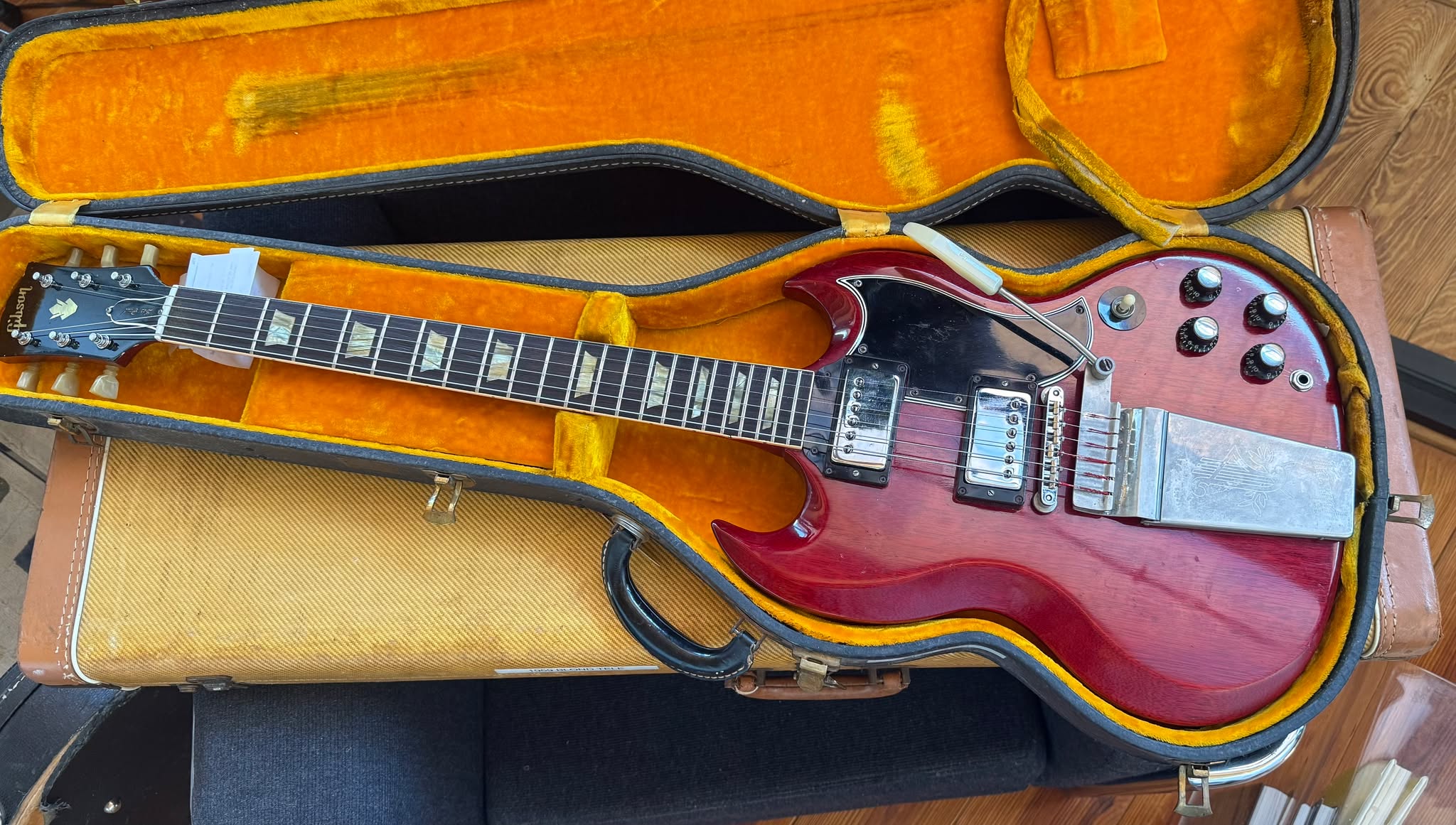
Les Pauls, SGs, ES-335s, ES-175s, Flying Vs, Explorers, and Firebirds from the 1950s and 1960s represent Gibson's golden era, with 1958-1960 Les Paul Standards selling for $250,000 to $800,000. We also purchase Gibson acoustics like the J-45, Hummingbird, and Dove. Later Gibson models from the 1970s onward have value too, depending on the specific instrument.
Martin guitars
Martin acoustics, particularly pre-war models made before 1946, are among the most collectible guitars in existence. We're strong buyers of D-28s, D-45s, 000-28s, and OM models from all eras. Originality matters significantly with Martin guitars—original finish, bracing, and hardware all affect value.
Other major brands and instruments
Beyond the big three, we purchase Gretsch hollow-body electrics, Rickenbacker 300 and 600 series guitars, PRS instruments (especially early models), Guild acoustics and electrics, and vintage amplifiers from Fender, Marshall, and other makers.
If you have something not listed here, reach out anyway—we evaluate instruments from many makers.
Where to sell your guitar for the best price
Each selling method involves trade-offs between price, speed, effort, and risk. Understanding your options helps you choose the right approach for your situation.
Selling Method | Typical Return | Time to Payment | Effort Required | Risk Level |
|---|---|---|---|---|
Specialist buyer | Strong | Immediate | Minimal | Very low |
Online marketplace | Potentially highest | Weeks to months | High | Moderate to high |
Music store trade-in | Lowest | Same day | Low | Low |
Selling directly to a specialist buyer
A specialist buyer like Edgewater Guitars focuses specifically on purchasing used and vintage instruments. You receive an expert valuation from someone who understands what you have, there are no listing fees or commissions, and payment happens immediately upon acceptance.
The trade-off is that you might receive slightly less than the absolute maximum a private buyer would pay after months of searching. However, most sellers find the certainty, speed, and lack of hassle more than compensate for any theoretical difference.
Tip: When comparing offers, remember that marketplace fees (often 10-15%) and shipping costs reduce your actual take-home amount.
Selling on online marketplaces
Platforms like Reverb, eBay, and Facebook Marketplace give you access to a large audience of potential buyers in a $2.1B used guitar market growing 5.5% annually. If you have the time, knowledge, and patience, you might achieve a higher sale price than other methods.
However, the challenges are real:
Fees: Reverb charges around 5%, eBay takes 13-15%, and payment processing adds more
Shipping: Packing and shipping a guitar safely requires proper materials and carries risk of damage
Time: Listings can sit for weeks or months before the right buyer appears
Scams: Fraudulent buyers, fake payments, and return fraud are ongoing concerns
For common, lower-value guitars, marketplaces can work fine. For vintage or valuable instruments, the risks and effort often outweigh the potential upside.
Trading in at a music store
National chains like Guitar Center and local music shops offer trade-in programs. The process is convenient—walk in, get an offer, walk out with payment or store credit.
The downside is significant: trade-in values are typically well below what you'd receive from a specialist buyer. Stores require large margins to resell instruments, and most lack expertise in vintage guitar valuation. If you're buying another instrument anyway and convenience matters more than maximizing value, trade-ins can make sense.
Selling vintage and rare guitars
Vintage guitars occupy a different category than standard used instruments. They require specialized knowledge to evaluate properly, and the difference between an informed sale and an uninformed one can be thousands of dollars.
What makes a guitar vintage
"Vintage" doesn't simply mean old. A guitar earns vintage status based on its age, the desirability of its production era, and specific characteristics collectors value—instruments from 1958–1964 outperform newer vintage models by 26%.
Pre-CBS Fender (before 1965): Guitars made before CBS purchased Fender are significantly more collectible than later examples
1950s Gibson: The golden era for Les Pauls, ES models, and other Gibson classics
Pre-war Martin (before 1946): Extraordinary collectibility due to construction methods and materials no longer used
A 1962 Fender Stratocaster and a 1982 Stratocaster might look similar to someone unfamiliar with guitars, but they occupy completely different collector categories.
Why vintage guitars require expert appraisal
General music stores and pawn shops lack the specialized knowledge to properly evaluate vintage instruments. They'll miss details that dramatically affect value—whether a finish is original or refinished, whether parts are period-correct, and whether rare features are present.
With decades of experience examining vintage guitars, Edgewater's specialists recognize these nuances. We've seen thousands of instruments and understand exactly what makes each one valuable.
Get your free vintage guitar appraisal →
Selling guitar collections and estates
Whether you're downsizing a personal collection or handling an inheritance, selling multiple instruments presents unique challenges. We provide dedicated services for these situations.
Downsizing a guitar collection
Collectors looking to sell multiple pieces benefit from working with a single trusted buyer. Rather than listing instruments individually and managing separate transactions, you can handle everything in one professional interaction. We evaluate each instrument individually, provide itemized offers, and handle all logistics.
Managing estate and inherited guitars
If you're an heir or executor dealing with guitars from an estate, you may not know the history or value of what you've inherited. We handle this situation regularly and approach it with patience.
We provide no-pressure appraisals that help you understand what you have. Our written valuations work for estate documentation, tax purposes, and fair distribution among multiple heirs. There's no obligation to sell—many families simply want to know what they're dealing with before making decisions.
Selling guitars in any condition
Your guitar doesn't have to be pristine to sell. We buy instruments across the full spectrum of condition, from mint to project-worthy.
Modified or customized guitars
Guitars with aftermarket pickups, replaced tuners, or other modifications are still valuable. While all-original instruments typically command the highest prices, customized guitars have their own market. We evaluate modifications fairly and make offers based on what the guitar is worth in its current state.
Guitars needing repair or restoration
Damaged, non-functioning, or heavily worn guitars still have value. You don't have to clean, repair, or restore your instrument before getting a valuation—we buy them as-is. In fact, well-intentioned repairs or cleaning can sometimes reduce value, so it's better to let us see the guitar in its current condition.
Incomplete instruments and missing parts
Missing the original case? Lost the tremolo arm? Can't find the original pickguard? These situations affect value but don't prevent a sale. We adjust offers fairly based on what's present and what's missing.
How to sell your guitar online from anywhere
Though we're based in Ohio, geography isn't a barrier to selling your guitar to us. Our process works for sellers nationwide.
Submitting photos and details remotely
Our entire initial evaluation process works remotely. Submit your guitar's details and photos through our online form, via email, or by text message from anywhere in the country. We respond quickly with preliminary information and, if appropriate, a formal offer.
Insured shipping handled for you
For accepted offers from remote sellers, we manage all shipping logistics. You'll receive a prepaid shipping label and detailed packing instructions. We cover full insurance during transit, so your valuable instrument is completely protected at no expense to you.
For particularly valuable guitars, we often prefer to travel to you rather than have the instrument shipped.
How your guitar's value is determined
Our offers are based on a transparent valuation process that considers multiple factors.
Condition and originality: Original parts, finish, and electronics are highly valued by collectors. Wear and age-appropriate patina are expected; major damage or poor repairs reduce value more significantly.
Rarity and market demand: Limited production runs, discontinued colors, and models favored by famous musicians often command premiums.
Comparable sales data: We analyze real transaction data from recent sales of similar instruments—not theoretical asking prices.
Brand and era significance: Certain combinations—pre-CBS Fender, 1950s Gibson, pre-war Martin—carry inherent collector premiums regardless of specific model.
Payment options for selling your guitar
We offer multiple fast and secure payment methods.
Cash and certified check: Available for all in-person transactions
Wire transfer and direct deposit: The fastest electronic options for remote sellers, typically processed same-day
PayPal: Available for convenience when preferred
Flexible arrangements: For high-value instruments or large collections, we can create custom payment structures
The offer we make is the amount you receive—no fees, no commissions, no deductions.
Why sell your guitar to Edgewater Guitars
We've built our reputation on straightforward, fair dealing with guitar sellers throughout the Midwest and beyond.
No fees and no commissions: Unlike marketplaces or consignment shops, we charge nothing. Our offer is your payment.
Fair offers based on true market value: Our offers reflect real collector market values, not lowball tactics.
Fast payment with no waiting: Once you accept, you get paid immediately.
Decades of vintage guitar expertise: Serving Ohio, the Midwest, and sellers nationwide since 2002, our team consists of passionate collectors with specialized knowledge.
FAQs about selling guitars online
Do I need to clean or repair my guitar before selling it?
No. Edgewater buys guitars in any condition and doesn't require cleaning, repairs, or restoration before evaluation. Cleaning vintage guitars can sometimes reduce their value, so it's better to leave them as-is.
How long does it take to get paid after accepting an offer?
Payment happens immediately upon acceptance. For in-person transactions, you're paid before the guitar leaves. For remote sales, payment is processed the same day we receive the instrument.
What happens if I disagree with the valuation offered?
There's no obligation to accept. Appraisals are free, and you can decline without any pressure or fees.
Does the original case or accessories affect the guitar's offer price?
Original cases, paperwork, and accessories can increase value, sometimes significantly for vintage instruments. However, missing items won't disqualify a guitar from receiving an offer.
Do pawn shops pay well for guitars?
Generally, no. Pawn shops are generalists who lack specialized guitar knowledge. They typically offer well below market value because they can't accurately assess what they're buying.
Does Guitar Center pay cash for guitars?
Guitar Center offers trade-in credit or payment via check or prepaid card. However, their offers tend to be lower than what specialist vintage buyers provide, particularly for older or collectible instruments.
Do guitars hold their resale value over time?
Many guitars, especially vintage and rare models from Fender, Gibson, and Martin, hold or appreciate in value when properly maintained—Gibsons hold value better than Fenders on the second-hand market. However, this varies significantly by brand, model, era, and condition.
Is it safe to ship a vintage guitar to a buyer?
With reputable buyers, yes. Edgewater provides insured shipping with professional packaging guidelines to protect valuable instruments during transit.
What documentation do I need to sell my guitar?
Basic details like brand, model, year, and photos are sufficient to get started. Original receipts, provenance documents, or historical photos are helpful but not required.
Can I sell a guitar if I don't know the serial number or year?
Yes. Our experts can often identify instruments from photos and physical details even without serial numbers or documentation.
Get your free guitar valuation today
Selling your guitar online doesn't have to be complicated, risky, or time-consuming. Whether you have a single instrument or an entire collection, Edgewater Guitars provides expert evaluation, fair offers, and immediate payment—with none of the fees or uncertainty of other selling methods.