DATE :
Do replaced or rewound pickups hurt a vintage guitar's value?
Yes, usually, but by how much depends on the brand, the model and what happened to the original parts. A buyer pays most for pickups that are untouched, less for a faithful rewind or a period-correct swap, and less again when the originals are gone. Keep every part you remove, and do not rewind or swap anything before you sell. Call or text (440) 219-3607 or text us photos.
What "original pickups" means to a buyer
A buyer is not only asking whether the pickups work. They are asking whether they are the ones the factory put in. Guitar Center Vintage notes that guitarists have always loved to tweak the hardware and pickups, so a guitar that still has its factory set is easier to trust. Mahar's Vintage Guitars lists pickups, finishes, hardware, solder joints and cases together as the details that drive value, and says the more original a guitar stays, the stronger its appeal to collectors.
That is why the answer is never a flat number. Published percentage claims for a pickup swap or rewind vary widely and none of them holds up across brands. We use none of them here. The direction is clear: untouched is worth more. The size of the gap depends on the model, the era, the condition and who is buying.
How the big three brands judge pickup originality
Each brand has its own tells. This is what dealers and guides actually point to.
Brand and pickup | What buyers look for | How a rewind or swap is treated |
|---|---|---|
Fender Stratocaster and Telecaster | Original pickups, electronics and solder. Guitar Center Vintage tells buyers to check that the pickups and electronics are original to the instrument. | Original sets are worth real money on their own. Guitar Player notes a full set of pre-CBS Strat pickups costs thousands of dollars, so a missing set matters. |
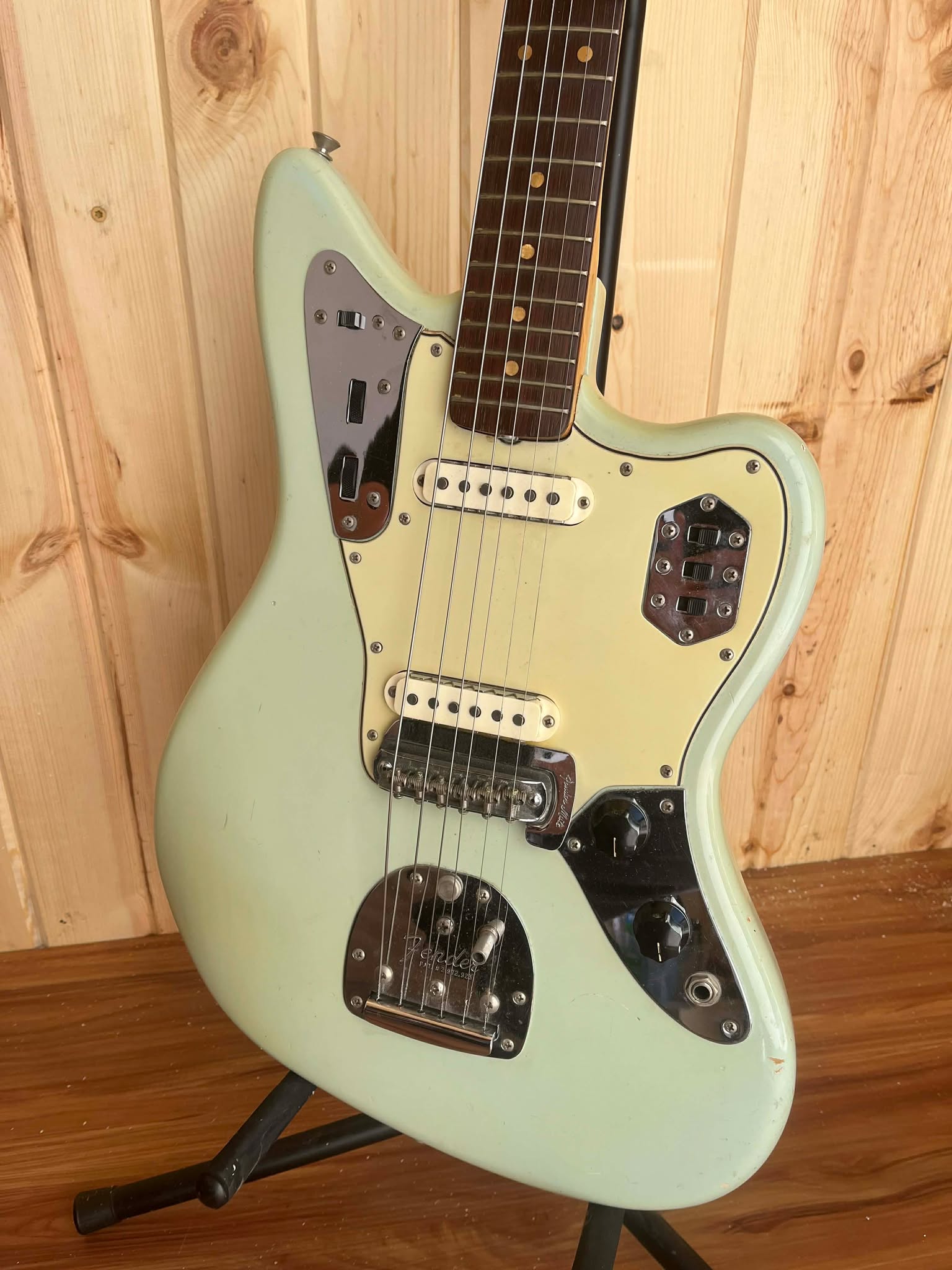
Fender Jazzmaster and Jaguar | Untouched wiring and solder joints. A vintage bench test from Guitar.com praises a Jaguar whose wiring and shielding are intact with almost no disturbed joints, and notes it commands a premium for originality and condition. | Dealers disclose a rewound pickup openly. No source we found gives a verified discount, so treat it as a real but variable deduction. |
Gibson PAF and patent number humbuckers | Sticker, wire color, bobbins and untouched solder joints. Buyers separate a PAF from a patent number pickup. | Collectors treat a rewind as a mark against an original. Solodallas puts it bluntly: "rewinds are a bad thing." |
Gibson P-90 | Original cover, original pots, original solder. Dealers list these as selling points on vintage Les Paul Juniors. | Same logic as the humbuckers. A swapped or rewound P-90 reads as a modified guitar. |
Gibson mini-humbucker (1970s Les Paul Deluxe and similar) | Patent sticker minis, a pot code that fits the year and untouched solder joints. Chicago Music Exchange lists exactly these on its 1972 and 1973 Deluxes. | Dealers advertise original minis as a feature even on 1970s guitars, so a swap is noticed. |
Gretsch Filter'Tron | Correct cover and magnet for the year. Gretsch moved to ceramic magnets after the Baldwin takeover in 1967. | Unlike Gibson, a "patent applied for" Filter'Tron is not held in higher esteem than a patent number one. A conversion or swapped parts get priced as a modified guitar. |
Gretsch DeArmond Dynasonic | Original pickups with their original risers. Guitar.com notes the celluloid risers deteriorate and replacements are available. | Imperial Vintage Guitars says original Gretsches with Dynasonics fetch high prices. A swap or added pickup is a modification. Expect more variation here than on a Gibson. |
The four situations, from best to worst
(a) Original pickups, rewound professionally to spec
This is the best case after untouched. Winders such as ThroBak say a faithful rewind, done on the original winder models, preserves the value of a dead pickup. Collectors are less generous. For a PAF or a pre-CBS Fender pickup, an untouched example is still worth more than a rewound one, because the wire, the winding and the age are part of what is being sold. Expect a deduction, and expect the buyer to want it disclosed up front.
(b) Replaced with period-correct parts
Correct pickups from the same era can keep a guitar presentable. The risk is that nobody can prove they are right. A buyer has to trust the solder work, the wire and the date codes, so a swap with no paperwork gets priced as not original. The more a guitar's value rests on its electronics, the more that matters.
(c) Replaced with modern pickups, originals kept in the case
This is the one you can fix. If the originals come with the guitar, a buyer can put them back. The guitar is still modified, but a buyer sees a reversible change instead of a lost part. It is easier to sell than the same guitar without the originals.
(d) Originals lost
This is the weakest position. The buyer has to find a replacement set, and Guitar Player puts original PAF and pre-CBS Strat pickup sets in the thousands of dollars. When a guitar's value rests on its electronics, a missing set is the largest single deduction pickup work can cause. Some of that gap can be recovered if the replacement is period-correct and documented, but not all of it.
How buyers check your pickups
Most of this can be seen from the control cavity and the pickup backs, which is why we ask for photos of both. Here is what a buyer looks at.
Solder joints. Dealers write "untouched solder joints" or "all solder points are original" on good vintage listings, because disturbed joints are what a buyer is looking for. Guitar.com singles out a vintage Jaguar for having only a handful of disturbed joints.
Wire type. The coil wire Gibson and Fender used changed over the years, so wire that does not fit the guitar's year is a tell. Our PAF identification guide covers what to look for on Gibson humbuckers.
Pot codes and date codes. A pot code that fits the guitar's year supports originality, and one that does not fit suggests replaced electronics. Chicago Music Exchange and Cream City both quote pot dates in their listings.
Stickers, covers and bobbins. On Gibson humbuckers the bottom sticker, cover, bobbin color and tape all matter. For the detail, see our PAF identification guide and the longer piece on original Gibson PAF pickups.
The rest of the guitar. A swapped pickup often travels with other changes. Hardware can tell the same story, and our guide to dating vintage Gibson hardware helps you spot parts that do not fit the year.
Why keeping the original parts matters
A pickup in a bag is not clutter. It is the part a buyer would otherwise have to hunt for and pay for. Keep the original pickups, covers, rings, pots, caps, switch and wiring harness if you changed them. Keep the knobs and the tuners too. If a part is damaged, keep it anyway and say so. A guitar with a modification and every original part in the case is a different guitar from one with a modification and nothing. Pickups are the first thing a buyer asks about because they are the first thing owners change.
Refinish carries the same logic. If you are weighing both issues, read what we wrote about how refinishing affects vintage guitar value.
What it looks like in the market
Dealer listings show how openly this is priced. Cream City Music listed two 1962 Fender Jazzmasters with refinished bodies. One, with its neck pickup "just professionally rewound" and two newer tuners, was listed at $3,350. The other, listed with original cream-cover pickups and pots dated to 1962, was listed at $3,999. Both are asking prices from pages now marked sold, not confirmed sale prices, and the guitars differ in other ways, so this is an example and not a rule.
The same dealers describe untouched solder and original pots as a feature on their best vintage listings. Chicago Music Exchange does it on its 1972 and 1973 Les Paul Deluxes. Cream City does it on 1950s Les Paul Juniors. When the dealer leads with that detail, the market is telling you it matters.
Edgewater's cash offer usually lands about 20% under the market figure for the guitar as it is, and less for modified examples. To get a number grounded in your guitar, try the what's my guitar worth page.
How to sell a guitar with changed pickups
Send full front and back shots, the headstock, the serial number, the control cavity and a clear photo of each pickup, front and back. Tell us what was changed, when, and whether the old parts are with the guitar. If you do not know, say that. We would rather hear it now than find it later.
Do not rewind, swap or "fix" anything before you sell. A fresh repair can turn a clean story into a question mark.
A customer review from Howard D.: "Gavin is very thorough and knowledgeable. He can let you know if there have been modifications or peculiar parts put into your guitar."
Start a free estimate. We buy nationwide, cover shipping and pay the same day the guitar arrives and checks out. In Ohio we prefer to close in person. Call or text (440) 219-3607 or text us photos.
Frequently asked questions
Do rewound pickups hurt a vintage guitar's value?
Generally they lower it compared with untouched originals, especially on collector-grade guitars where the pickups are a big part of the value. How much varies by brand, model and who is buying, and published percentages disagree with each other, so treat any single number with caution.
Is a professional rewind better than leaving a dead pickup alone?
Winders say a faithful rewind preserves the value of a dead pickup, and a working guitar is easier to sell than a silent one. Collectors still prefer untouched. If the pickup works, leave it. If it is dead, keep the original and tell the buyer what was done.
Does it matter if I kept the original pickups?
Yes, a great deal. Original pickups in the case let a buyer restore the guitar. Pickups that are gone cannot be put back, and a replacement set can cost thousands of dollars on the best vintage models.
Are PAF and patent number pickups judged the same way?
On Gibson, no. Buyers separate them by sticker, wire and other details. On Gretsch Filter'Tron, a "patent applied for" cover is not held in higher esteem than a patent number cover.
How can I tell if my pickups are original?
Look at the solder joints, wire, pot codes and stickers. Old, undisturbed solder and a pot code that fits the guitar's year are good signs. For Gibson humbuckers, our PAF identification guide covers the detail.
Should I put the old pickups back before I sell?
Not before a sale. Tell us what you have and send photos of the guitar as it is, because fresh work raises questions. Whether the originals go back in is a decision to make after a buyer has seen it.
By Stephen Pedone, co-owner of Edgewater Guitars. Last updated: October 2026.
Sources
Mahar's Vintage Guitars, How Vintage Guitar Values Are Determined
Guitar Player, Are Vintage Pickups Better Than Modern Pickups?
Guitar.com, Vintage Bench Test: 1961 Jazzmaster vs 1966 Jaguar
Cream City Music, 1962 Fender Jazzmaster (rewound neck pickup), listing marked sold
Cream City Music, 1962 Fender Jazzmaster (original pickups), listing marked sold
Guitar World, Filter'Tron Pickups: Everything You Need to Know
Imperial Vintage Guitars, Choosing Your Pickups: DeArmond Dynasonics
Chicago Music Exchange, 1962 Gretsch 6119 Chet Atkins Tennessean