DATE :
The Complete Guitar Maintenance Guide for 2026
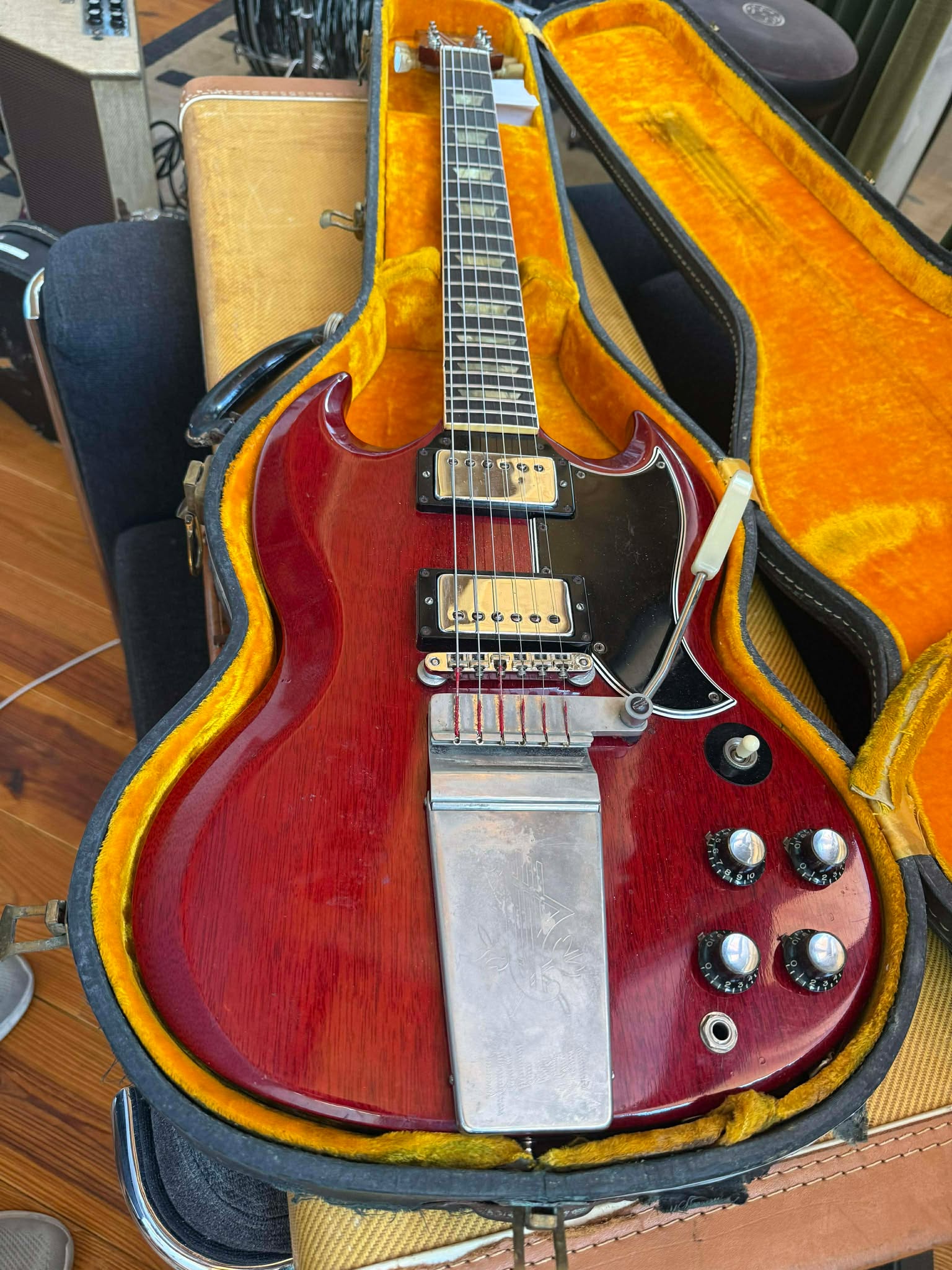
A guitar that's wiped down after playing, stored properly, and kept at the right humidity will play better, hold its value longer, and avoid the cracks and warping that sideline neglected instruments. The basics aren't complicated, but skipping them—or using the wrong products—can cause damage that's expensive to fix.
This guide covers everything from daily cleaning routines to humidity control, string changes, storage, setup checks, and the common mistakes that hurt both playability and resale value.
What Guitar Maintenance Involves
Proper guitar care comes down to five core habits: wiping down the instrument after playing, controlling humidity with a case and humidifier, changing strings routinely, storing the guitar safely in a case or on a stand, and avoiding extreme temperatures. Beyond those basics, you'll want to address specific tasks like oiling unfinished fretboards and checking the setup periodically to keep everything playing well.
These categories work together. Cleaning removes the sweat and oils that corrode hardware and dull finishes. Humidity control prevents the wood from cracking or warping—especially critical for acoustic guitars. Fresh strings keep your tone bright and your tuning stable. Proper storage protects against physical damage and environmental swings. And setup checks catch small problems before they become expensive repairs.
Whether you play every day or have a vintage instrument sitting in a closet, understanding these fundamentals protects both playability and long-term value.
How to Clean Your Guitar
The foundation of guitar care is the daily wipe-down. After each playing session, run a dry microfiber cloth over the body, neck, and strings. This thirty-second habit prevents most cleaning problems before they start by removing sweat and oils before they build up—steel strings suffer aggressive corrosion when exposed to human sweat.
Cleaning the Body and Finish
For most guitars, a dry microfiber cloth handles everyday cleaning. However, different finish types require different approaches, and using the wrong product can cause permanent damage.
Polyurethane/Polyester: A durable finish found on most modern guitars. A slightly damp cloth and dedicated guitar polish work well here.
Nitrocellulose: A thinner, more delicate finish common on vintage and high-end instruments. Use only a dry cloth or polishes specifically marked "nitro-safe," and avoid contact with certain plastics and chemicals.
Satin/Matte: Use a dry cloth only. Polishes create shiny spots and ruin the matte look.
If you're unsure what finish your guitar has, stick with a dry microfiber cloth until you can confirm.
Conditioning the Fretboard
Unfinished fretboards—typically rosewood, ebony, or pau ferro—benefit from occasional oiling to prevent drying and cracking. This task only comes up once or twice per year, usually during a string change when the fretboard is exposed.
For unfinished boards, apply a small amount of fretboard conditioner or mineral oil-based lemon oil to a cloth. Rub it into the wood, let it sit for a minute, then wipe off all excess. A little goes a long way—over-oiling can loosen frets.
Finished maple fretboards only require wiping with a dry or slightly damp cloth. Oil cannot penetrate the finish, so applying it serves no purpose.
Cleaning Hardware and Electronics
Wipe down tuners, bridges, and pickups with a dry cloth to remove fingerprints and prevent corrosion. If you notice scratchy-sounding volume or tone pots, a small spray of electronics contact cleaner can often resolve the issue without a trip to a technician.
Products to Use and Products to Avoid
Choosing safe products is one of the most important aspects of guitar care. The wrong cleaner can permanently damage your instrument's finish.
Safe Products | Products to Avoid |
|---|---|
Microfiber cloths | Paper towels or abrasive cloths |
Guitar polish (finish-specific) | Furniture polish (e.g., Pledge) |
Fretboard conditioner | Household cleaners (e.g., Windex) |
Electronics contact cleaner | WD-40 |
Canned air | Solvents or acetone |
When in doubt, less is more. A dry microfiber cloth handles most cleaning tasks safely.
How Often to Change Guitar Strings
Old strings lose their brightness, won't hold tuning properly, and can feel grimy to the touch. The frequency of string changes depends on playing habits—a gigging musician might change strings weekly, while a casual player might go months between changes.
Signs Your Strings Need Replacing
Rather than following a strict schedule, watch for these indicators:
Dull tone: The strings sound flat or lifeless compared to when they were new
Discoloration: Dark spots or patches appear, especially over the frets
Visible corrosion: Signs of rust or pitting along the string's length
Tuning instability: The guitar constantly drifts out of tune, even after being properly tuned
Rough texture: The strings feel grimy under your fingers instead of smooth
How to Restring an Electric Guitar
Loosen and remove: Loosen tension on all old strings before cutting them to avoid sudden tension changes on the neck. Remove them from the tuning posts and bridge.
Clean: With strings off, clean the fretboard and polish the frets.
Thread new strings: Thread new strings through the bridge or body, pulling them toward the headstock.
Wind and secure: Insert the string into the tuning post, leave some slack (about one to two post's worth), and begin winding. Keep the winds neat and going downward on the post.
Stretch and tune: Tune to pitch, then gently stretch each string by pulling it away from the fretboard. Retune and repeat until the tuning stabilizes.
How to Restring an Acoustic Guitar
Loosen and remove pins: Loosen the strings, then use a string winder with a bridge pin puller to safely remove the bridge pins. Remove the old strings.
Inspect and clean: Check the saddle and nut for wear and clean the fretboard.
Insert new strings: Place the ball end of the new string into the bridge hole and re-insert the bridge pin, ensuring it's seated firmly.
Wind and tune: Pull the string to the corresponding tuning post, wind it neatly, and bring it up to pitch.
Stretch and retune: Gently stretch each string and retune until the pitch is stable.
How to Control Humidity for Guitar Care
Wood expands and contracts with changes in moisture—gaining or losing 1% for every 5% humidity change. These shifts can cause cracks, warping, fret sprout, and other serious damage. While humidity control is especially critical for acoustic guitars, it applies to all wooden instruments.
Ideal Humidity Levels for Acoustic and Electric Guitars
The ideal humidity range for guitars is 45-55%. This stable environment prevents the wood from either drying out and shrinking or absorbing too much moisture and swelling.
Seasonal changes create significant humidity swings that require active management. In the Midwest, for example, winter heating can drop indoor humidity well below safe levels for acoustic instruments.
Signs of Humidity Damage
Watch for these warning signs:
Sharp fret ends (fret sprout): The fretboard wood shrinks from dryness, exposing the sharp metal ends of the frets
Cracked top: Fine cracks appear in the wood, usually on the top of an acoustic guitar
Sunken or bulging top: A dry guitar's top may sink, while an overly humidified guitar's top may bulge
Action changes: String height shifts noticeably as the neck and body move
Finish checking: A web of fine cracks appears in the lacquer, caused by rapid temperature or humidity changes
Humidifiers and Dehumidifiers That Protect Your Guitar
In-case humidifiers (like soundhole humidifiers for acoustics and hollow body guitars) add moisture during dry conditions. The case itself acts as a buffer against rapid environmental swings. A room hygrometer—an inexpensive device that measures humidity—helps you monitor ambient levels so you know when to add or remove moisture.
How to Store Your Guitar Properly
Proper storage protects against physical damage, humidity extremes, and temperature fluctuations.
Storage Between Playing Sessions
The ideal storage spot is in a case, which offers the best protection. A quality guitar stand works for short-term storage if you play frequently. Always avoid placing your guitar in direct sunlight or near heating vents and air conditioners.
Locations to avoid include areas near windows with direct sunlight, directly in front of heating or air conditioning vents, against uninsulated exterior walls, and in damp basements or hot attics.
Long-Term Storage for Guitars Not in Regular Use
For long-term storage, loosen the strings slightly to relieve tension on the neck. Use an in-case humidification system to maintain a stable environment, and store the cased guitar in a climate-controlled area of your home—a closet in a main living space works well.
Protecting Your Guitar During Transport
Use a hardshell case for travel whenever possible. Avoid storing the guitar in a car trunk, where temperatures can become extreme. When moving the guitar to a new environment with a different temperature, let the instrument acclimate inside its closed case for several hours before opening it.
How to Check and Maintain Your Guitar Setup
A guitar's "setup" refers to the adjustments that affect playability: action height (how high the strings sit above the frets), neck relief (the slight bow in the neck), and intonation (whether the guitar plays in tune up and down the neck). Setup can drift over time due to string tension and humidity changes.
Checking Action and Intonation
You can assess your guitar's setup at home. Check the action to see if it's too high (difficult to play) or too low (causing fret buzz). To check intonation, play a harmonic at the 12th fret and compare it to the fretted note at the 12th fret using an electronic tuner—they should match.
When Truss Rod Adjustment Is Needed
The truss rod is a metal rod inside the neck that counteracts string tension. If you notice signs of incorrect neck relief—the neck is too bowed or has a back-bow—a truss rod adjustment may help. However, improper adjustment can permanently damage the instrument, so this task is often best left to professionals.
Setup Tasks Best Left to Professionals
Some tasks require specialized tools and expertise:
Truss rod adjustments
Fret leveling, crowning, and polishing
Nut slot filing or replacement
Complex electronics repair
For a regularly played instrument, an annual professional setup is a worthwhile investment.
How Guitar Maintenance Affects Resale Value
A well-maintained guitar will almost always command a higher price and sell faster than a neglected one. Proper care preserves both playability and collector value.
For vintage instruments, originality is key—avoid over-cleaning or modifying original parts. Maintenance that helps value includes regular cleaning, proper humidification, professional setups, and keeping original parts. On the other hand, amateur fretwork, non-original parts, refinishing, and poorly executed structural repairs can significantly reduce what a guitar is worth.
If you're curious about your guitar's current market value, Edgewater Guitars offers free, no-obligation appraisals for vintage and quality used instruments.
When to Get Professional Guitar Maintenance
While daily care is a DIY job, some tasks require a trained technician.
Signs Your Guitar Needs Professional Attention
Persistent buzzing: Fret buzz that doesn't go away after basic action adjustments
Electronics issues: Scratchy pots that don't improve with cleaner, or a signal that cuts out
Cracks or structural damage: Any cracks in the wood, or a bridge lifting off the body
Significant fret wear: Divots or flat spots on the frets causing buzzing or intonation problems
Sticky tuners: Tuning machines that are hard to turn or don't hold pitch
How Much Guitar Maintenance Services Cost
Costs vary by location and complexity:
Service Type | Typical Price Range |
|---|---|
Basic setup | $50 - $100 |
Fret level and crown | $150 - $300 |
Electronics repair | $40 - $150+ |
Finding a Qualified Guitar Technician
Ask for recommendations at local music stores, check online reviews, and inquire about experience with your specific type of guitar. For vintage instruments, seek out technicians who specialize in older guitars and understand the importance of preserving originality.
Things You Do to a Guitar That Cause Damage
Knowing what to avoid is a key part of proper guitar maintenance.
Common Cleaning Mistakes
Using the wrong products: Furniture polish, household cleaners, and WD-40 contain chemicals that can damage finishes and plastic parts
Over-polishing vintage finishes: Aggressive polishing can remove original patina, reducing value
Using abrasive cloths: Paper towels or rough rags can leave fine scratches
Applying too much fretboard oil: Excess oil can oversaturate the wood and loosen frets
Storage Errors That Cause Permanent Damage
Common storage mistakes include leaving guitars in hot or cold cars, storing them next to heat sources or in direct sunlight, hanging them on uninsulated exterior walls, and storing them without humidity control in very dry or humid climates.
DIY Repairs That Hurt Resale Value
Amateur attempts at fret work, refinishing, modifying electronics, or replacing original parts with non-original ones can drastically decrease a guitar's resale value—with refinishing alone diminishing 50% of value immediately.
Get Your Guitar Valued by Vintage Experts
Proper care is the first step in preserving your guitar's value, but understanding its true market worth requires expertise. As Ohio's premier vintage guitar specialists, Edgewater Guitars provides free, no-obligation appraisals for owners throughout Ohio, Michigan, Pennsylvania, Indiana, and West Virginia.
The process is simple: tell us about your guitar, share photos, and our experts will assess it and provide a fair cash offer based on current market value. If you accept, you get paid right away—by check, cash, or direct deposit.
FAQs About Guitar Care and Maintenance
Is it okay to put WD-40 on guitar strings?
No. WD-40 is not designed for guitar strings and can damage your guitar's finish and fretboard. Replacing worn strings is a better approach—they're inexpensive and easy to change.
What does the 80/20 rule mean for guitar practice?
The 80/20 rule is a practice efficiency concept, not a maintenance term. It suggests focusing 80% of your practice time on the 20% of techniques and songs that yield the most improvement.
Can I use household cleaning products on my guitar?
No. Household cleaners like Windex or furniture polish contain harsh chemicals that can permanently damage guitar finishes, especially the delicate nitrocellulose lacquer found on many vintage and high-end instruments.
How do I maintain a guitar I recently inherited?
First, perform a visual inspection for any cracks or obvious damage. Then, store inherited guitars in a hardshell case with proper humidity control (around 45-55%). Before attempting any cleaning or repairs, consider contacting a vintage guitar specialist for a professional valuation.
Should I clean a vintage guitar before getting it appraised?
Light dusting with a dry microfiber cloth is fine, but avoid any deep cleaning or polishing on a vintage instrument before an appraisal. The original patina and finish condition are crucial parts of its value.