DATE :
Sell Your High-End Guitar with Edgewater Guitars
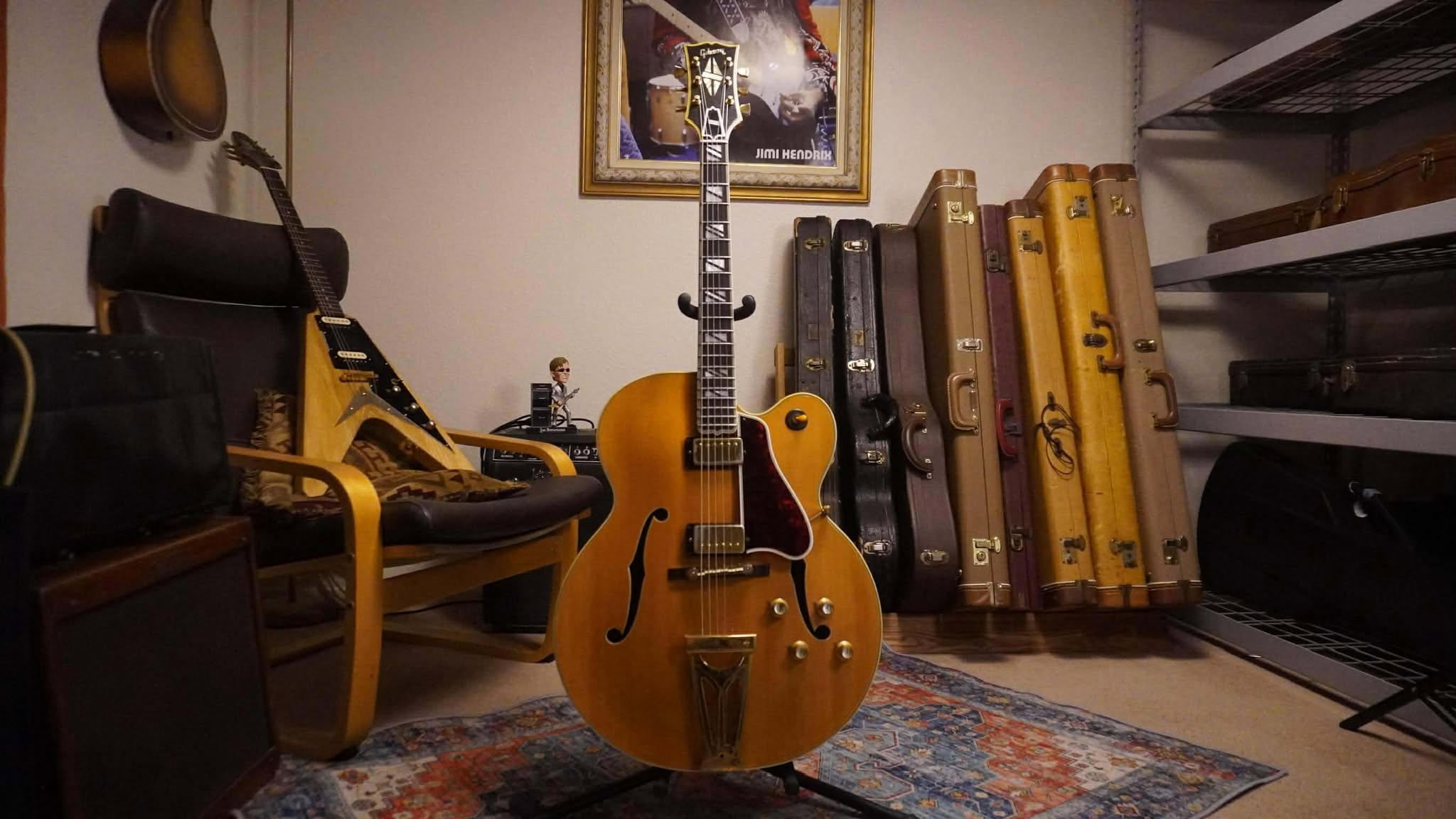
You've got a guitar worth real money—a vintage Gibson, a pre-CBS Fender, maybe a boutique custom shop piece—and you're trying to figure out how to sell it without getting lowballed or scammed. The stakes feel higher because the instrument is worth more than a typical used guitar, and the wrong move could cost you thousands.
This guide walks you through every viable selling option, explains how to determine what your high-end guitar is actually worth, and shows you how to evaluate offers so you can make an informed decision.
Where can you sell a high-end guitar
You're holding a valuable guitar—maybe a vintage Gibson, a pre-CBS Fender, or a boutique custom shop instrument—and you want to get what it's actually worth. The real question isn't whether buyers exist. It's which selling method gives you the best combination of fair price, reasonable timeline, and security.
Specialized vintage guitar buyers typically offer the strongest balance for high-end instruments. Online marketplaces like Reverb reach the widest audience if you're willing to handle listing, photography, and shipping. Local trade-in programs offer speed but rarely pay true market value.
Online marketplaces like Reverb and eBay
Platforms like Reverb and eBay connect you with buyers worldwide. For specialized instruments, casting a wide net increases your chances of finding someone willing to pay a fair price.
These platforms require real work on your end, though. You'll write detailed descriptions, take quality photos, answer buyer questions, and handle shipping for instruments worth thousands of dollars. Reverb charges a 5% selling fee plus payment processing. eBay's fees can reach 13% or higher. Listings for high-end guitars often sit for weeks or months before the right buyer appears.
Local music shops and trade-in programs
Guitar Center, Sam Ash, and local music stores offer the fastest path to cash. Walk in, get an offer, walk out with money.
That convenience comes at a cost. Retail stores operate on margin—they're buying your guitar to resell it at a profit. Trade-in offers typically run well below what the guitar would sell for on the open market. Additionally, most general music stores lack deep expertise in vintage instruments. The employee evaluating your 1962 Stratocaster may not recognize the details that make it valuable.
Consignment and auction houses
Consignment shops sell your guitar on your behalf, taking a percentage when it sells. Auction houses like Heritage Auctions work similarly, with buyer premiums and seller commissions that can total 25-35%.
These options make sense for exceptionally rare instruments—a documented celebrity-owned guitar or a museum-quality pre-war Martin. For most high-end guitars, the fees eat significantly into your proceeds, and you're waiting months for payment that isn't guaranteed.
Private sales through classifieds
Facebook Marketplace, Craigslist, and local classifieds eliminate fees entirely. You keep every dollar of the sale price.
The trade-off is risk. Meeting strangers to exchange thousands of dollars creates safety concerns. Scams are common—fake payment confirmations, counterfeit cashier's checks, buyers who disappear after "inspecting" the guitar. You're also limited to local buyers, which shrinks your market considerably.
Specialist vintage guitar buyers
Companies that specialize in purchasing vintage and high-end guitars offer a middle path. You get expert evaluation from people who understand what makes your instrument valuable, immediate payment without fees or commissions, and none of the hassle of listing or shipping.
The trade-off: direct buyers typically pay slightly less than the theoretical maximum you might achieve through a perfect private sale. What you gain is certainty, speed, and professional handling.
Selling Option | Timeline | Fees | Expertise | Risk Level |
|---|---|---|---|---|
Online Marketplaces | Weeks to months | 5-13% | Self-assessed | Medium |
Trade-In Programs | Same day | Built into lower offer | Limited | Low |
Consignment/Auction | Months | 15-35% | Varies | Low |
Private Sales | Varies | None | None | High |
Specialist Buyers | Days | None | High | Low |
What makes a guitar high-end or collectible
Before pricing your guitar accurately, it helps to understand what separates a high-end instrument from an ordinary one. Collectors and serious buyers evaluate several factors that may not be obvious to casual observers.
Brand heritage and model significance
Certain brands carry inherent collector interest. Gibson, Fender, Martin, PRS, Rickenbacker, and Gretsch top most lists. Boutique builders like Collings and Santa Cruz also command premium prices.
Within those brands, specific models matter enormously. A Gibson Les Paul Studio and a Gibson Les Paul Standard share a name but occupy completely different market tiers.
Gibson: Gibson Les Paul Standards (especially 1958-1960, with less than 1,700 of the 1959 model thought to still exist), ES-335, SG, Flying V, Explorer
Fender: Stratocaster, Telecaster, Jazzmaster, Precision Bass, Jazz Bass
Martin: D-28, D-45, OM-45, 000-28, pre-war models
Age and vintage status
The term "vintage" typically refers to guitars made before certain watershed moments in manufacturing history. For Fender, that's 1965—when CBS purchased the company and production methods changed. For Gibson, the late 1960s mark a similar transition.
Pre-war Martin guitars (made before 1946) represent the pinnacle of acoustic guitar collectibility. Age alone doesn't guarantee value—a 1978 guitar is old but not necessarily collectible—yet guitars from the right eras carry significant premiums.
Build quality and premium materials
High-end guitars typically feature solid tonewoods rather than laminates, hand-wound pickups, nitrocellulose lacquer finishes, and USA-based manufacturing. Custom shop instruments from Fender and Gibson also qualify as high-end, even when relatively new.
Provenance and ownership history
Documentation connecting a guitar to notable musicians, recording sessions, or significant events can multiply its value. Even without celebrity connections, original purchase receipts, warranty cards, and photographs of previous owners add credibility.
How to find out what your high-end guitar is worth
You might be wondering whether your guitar is worth $2,000 or $20,000. Here's how to develop a realistic sense of value before committing to any selling method.
Research recent sold prices for your model
The most reliable indicator of market value is what buyers have actually paid for similar guitars recently, with prices having settled 10% below pandemic peaks by early 2025. Reverb's sold listings show completed transactions, not asking prices. This distinction matters—sellers can ask anything they want, but sold prices reflect real market behavior.
Search for your specific model, filter by "sold" items, and look for guitars in comparable condition.
Assess originality and modifications
All-original guitars command the highest prices. Collectors pay premiums for instruments that left the factory exactly as they appear today.
Common modifications that reduce value include:
Replaced pickups: Aftermarket pickups, even high-quality ones, diminish collector interest
Refinished bodies or necks: Even professional refinishing significantly impacts value
Changed tuners or bridges: Non-original hardware suggests other modifications may exist
Added routing or drilling: Holes that weren't there originally can't be undone
Factor in rarity and market demand
Limited production runs, discontinued finishes, and unusual specifications affect value. A Fender Stratocaster in Lake Placid Blue from 1963 is worth considerably more than the same year in standard sunburst—custom colors were special orders and far fewer exist.
Market demand also fluctuates. Fender Jazzmasters, once considered undesirable, now command strong prices as tastes have shifted.
Get a free professional appraisal
Online research provides a starting point, but professional evaluation catches details amateurs miss. Experts can distinguish original finishes from refinishes, identify replaced parts, and assess structural condition.
Edgewater Guitars offers free, no-obligation valuations for high-end and vintage instruments. Submit photos and details through our contact form or call (440) 219-3607 to speak with a specialist.
How condition affects your guitar's value
Condition grading follows industry-standard terminology that helps buyers and sellers communicate clearly.
Mint and near-mint condition
Virtually unplayed instruments with no visible wear, all original parts, and original case. Mint-condition vintage instruments command the highest premiums but are rare for older guitars.
Excellent condition
Light play wear consistent with careful use. Minor pick marks, light fret wear, and small scratches are acceptable. All original parts remain intact, and the guitar functions perfectly.
Very good condition
Moderate wear from regular playing. Fully functional with possible minor repairs or professional maintenance. Noticeable cosmetic issues that don't affect playability.
Good and fair condition
Significant wear, possible replaced parts, may require setup work or repairs. Value drops accordingly, though the right model in fair condition still attracts buyers.
Key condition factors to assess:
Fret wear: Grooves, flat spots, or evidence of refrets
Finish checking: Fine cracks in lacquer (actually desirable on vintage pieces)
Hardware originality: Tuners, bridge, pickups, and knobs all original
Neck condition: Straight neck, functioning truss rod, no headstock cracks
How to sell your guitar step by step
Once you've decided to sell, following a clear process helps you present your guitar effectively.
1. Gather details and documentation
Collect everything you know about the guitar: brand, model, serial number, approximate year, and any paperwork. Original receipts, warranty cards, and provenance documentation add value and credibility.
2. Take clear photos from multiple angles
Quality photos sell guitars. At minimum, capture full front and back views, headstock close-up with serial number visible, neck and frets showing wear patterns, any damage or unique features, and the case if original.
Natural lighting works best. Avoid harsh flash that obscures finish details.
3. Submit for valuation or create your listing
You have two paths here. Submitting to a specialist buyer like Edgewater Guitars gets you a professional evaluation and firm offer without creating listings. Creating your own marketplace listing requires writing detailed descriptions, setting prices, and managing the sales process yourself.
4. Review and accept an offer
Compare any offers you receive against your research. Specialist buyers typically provide firm, market-based offers without negotiation. Marketplace sales often involve back-and-forth with potential buyers.
5. Complete payment and transfer
Payment methods vary by selling channel. Specialist buyers offer immediate payment via cash, check, wire transfer, or direct deposit. Marketplace sales typically process through the platform's payment system.
For shipped guitars, insurance matching the full sale value is essential.
How to sell your guitar faster
If speed matters—estate deadlines, financial considerations, or simply wanting the process finished—certain approaches accelerate the timeline.
Price competitively: Overpricing is the primary reason guitars sit unsold for months
Respond promptly: Serious buyers move fast, and delayed responses lose sales
Be transparent: Disclose all issues upfront to build trust and prevent disputes
Sell directly: Contact Edgewater Guitars for same-day offers on high-end instruments
How to evaluate offers on your guitar
Not all offers are created equal. Knowing how to assess what you're being offered protects you from underselling.
Compare offers to recent market sales
Return to your research on sold prices. An offer within the typical range for comparable guitars in similar condition is fair. Offers significantly below market warrant seeking other opinions.
Watch for red flags and scam attempts
High-value guitars attract scammers. Be alert to overpayment scams where buyers send more than asking price and request refunds, fake escrow services, pressure tactics, and vague communication from buyers unwilling to answer direct questions.
Negotiate with confidence or accept fair offers
When offers fall below market value, counter with evidence—comparable sales and specific features that justify your price. When offers align with your research, accepting promptly closes the deal.
How to ship a high-end guitar safely
If you're selling to a distant buyer, proper shipping protects your investment.
Loosen strings to reduce neck stress during transit. Wrap the guitar in soft material and fill case voids with packing paper so nothing shifts. Never ship a high-end guitar without a hardshell case.
Use the double-box method: place the guitar case inside a larger box with padding on all sides. Always purchase insurance matching the sale price and require signature confirmation.
Selling vintage guitars and guitar collections
Vintage instruments and multi-piece collections present unique considerations.
Why vintage guitars require specialist knowledge
The vintage market has nuances that general buyers miss. Date codes on potentiometers, neck pocket stamps, finish checking patterns, and hardware specifications all tell stories about authenticity. A guitar that looks like a standard 1960s Stratocaster might be a rare custom-color example worth multiples of the standard version.
Selling an entire collection or musical estate
Collections present logistical challenges beyond single-guitar sales, particularly for inherited instruments that require individual evaluation. Some pieces may be highly valuable while others are modest. Specialist buyers like Edgewater Guitars handle entire collections, evaluating each piece and making offers on the complete set.
Documentation that increases value
Certain paperwork adds meaningful value: original purchase receipts, warranty cards and hang tags, celebrity provenance documentation, and repair records showing maintenance history.
Can you sell a guitar that needs repair or restoration
Damaged or modified guitars still have value—sometimes substantial value.
Common issues that affect value
Typical problems include cracked headstocks, worn frets, broken truss rods, missing parts, and refinished bodies. Each reduces value compared to pristine examples, but none eliminates value entirely. A 1959 Gibson Les Paul with a repaired headstock crack is still worth serious money.
Why some buyers prefer unrestored instruments
Collectors often prefer original condition—even with flaws—over poorly restored pieces. If your guitar has issues, resist the urge to fix them before selling. Let the buyer decide how to proceed.
Why selling to a specialist vintage guitar buyer is your best option
For high-end and vintage guitars, working with specialists offers advantages other selling methods can't match.
Expert valuations based on true market value
Edgewater Guitars' team brings decades of experience with vintage instruments. We recognize value that general buyers miss—original finishes versus refinishes, rare features, and subtle details that affect collectibility.
No fees or commissions
Unlike marketplaces or consignment, we pay the full offer amount. The price quoted is the price paid.
Fast payment with flexible options
Payment happens immediately upon agreement—cash, check, wire transfer, PayPal, or direct deposit. No waiting for consignment sales to close.
Get your free valuation from Edgewater Guitars
Whether you're ready to sell today or simply want to understand what your guitar is worth, we're here to help.
Call (440) 219-3607 or submit photos through our website. We serve Ohio and the broader Midwest, traveling to evaluate significant collections and high-value instruments.
Frequently asked questions about selling high-end guitars
How long does it take to sell a high-end guitar?
Selling directly to a specialist like Edgewater Guitars can happen within days. Marketplace listings may take weeks or months depending on pricing and demand.
Do I need the original case or accessories to sell my guitar?
Original cases and accessories add value but aren't required. Guitars sell without them, though offers reflect what's included.
What paperwork helps when selling a valuable guitar?
Receipts, warranty cards, certificates of authenticity, and ownership documentation help verify provenance and can increase value.
How do I verify that a guitar buyer is legitimate?
Research the buyer's reputation, look for reviews or a physical business address, and never accept unusual payment arrangements.
Can I sell a guitar that has been refinished or modified?
Yes. Modified guitars still have value, though originality affects pricing. Many buyers specifically seek players-grade instruments.
What if I don't know the exact year or model of my guitar?
Specialist buyers can identify instruments from serial numbers and physical characteristics. Submit what details you have and let experts determine specifics.
How does selling to a dealer differ from selling on a marketplace?
Dealers like Edgewater Guitars offer immediate payment without fees or listing hassles. Marketplaces require you to create listings, handle inquiries, negotiate, pack, and ship yourself.
Will I get more money selling privately than to a dealer?
Potentially, though not always. When you factor in marketplace commissions, shipping costs, and the value of your time, the net difference often narrows considerably.