DATE :
Online Guitar Appraisal | Expert Valuations by Edgewater Guitars
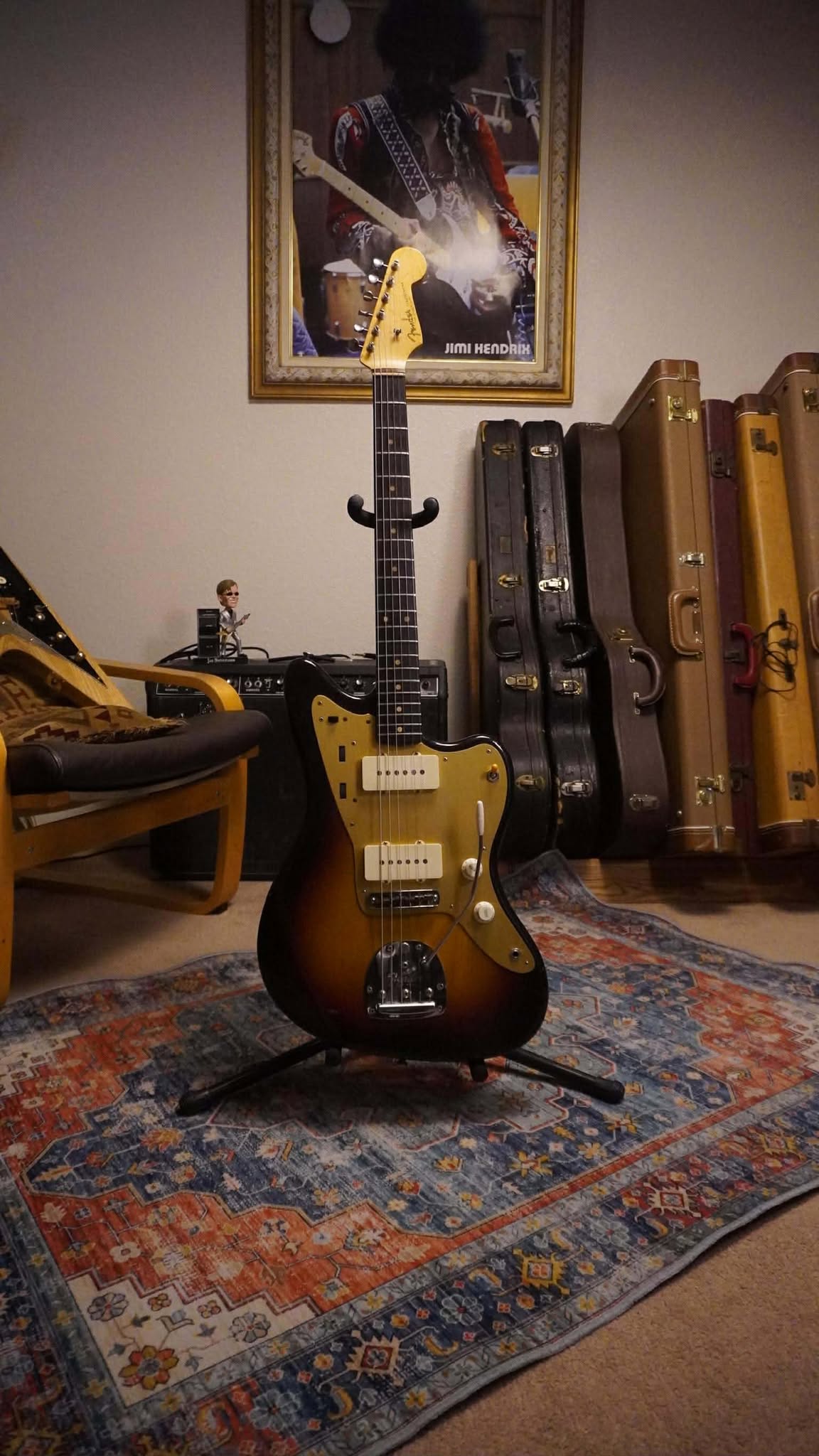
You're holding an old guitar—maybe inherited, maybe pulled from a closet after decades—and you want to know what it's worth without hauling it across town. An online guitar appraisal lets you submit photos and details to a specialist who evaluates your instrument remotely, giving you a fair market valuation based on age, condition, originality, and current collector demand.
This guide walks you through how online appraisals work, what factors determine vintage guitar values, and how to get an accurate valuation for free.
What is an online guitar appraisal
You've got an old guitar sitting in a closet, and you want to know what it's worth. An online guitar appraisal is a remote valuation service where a specialist reviews photos and details you submit to determine your instrument's fair market value. Unlike a quick guess from a local shop, a professional appraisal accounts for age, condition, originality, and current collector demand.
The process works simply: you send photos and information through a website form, email, or text message. A specialist reviews everything and responds with a valuation, typically within one to three business days.
What you receive: A detailed estimate of your guitar's current market value, often with an explanation of the factors affecting price.
How it works: You submit photos of the headstock, body, serial number, and any damage. The appraiser analyzes these remotely.
Why it matters: Knowing your guitar's true value protects you from lowball offers when selling, helps with insurance coverage, and assists with estate planning.
Online appraisals connect guitar owners with specialized vintage expertise that often doesn't exist locally. A general music store in a small town rarely has the same depth of knowledge as a dedicated vintage guitar buyer who examines hundreds of collectible instruments each year.
How to find out what your guitar is worth for free
Several reliable free methods exist for getting a sense of your guitar's value before committing to a formal appraisal.
Online price guides offer a starting point. The Blue Book of Guitar Values provides database access to historical pricing. Checking sold listings on Reverb.com shows what similar guitars have actually fetched in recent transactions. Keep in mind that asking prices and sold prices often differ significantly.
Serial number lookup helps establish what you have before determining what it's worth. Your guitar's serial number identifies its year of manufacture and sometimes its specific production run. Edgewater Guitars maintains free serial number lookup resources for Fender, Gibson, and Martin.
Free dealer appraisals represent the most accurate no-cost option. Specialists like Edgewater Guitars offer complimentary valuations because we're actively buying vintage instruments. There's no obligation, and we're happy to tell you what your guitar is worth even if you're not ready to sell.
Tip: When researching online, focus on completed sales rather than current listings. What someone is asking for a guitar tells you very little about what buyers are actually willing to pay.
What factors determine vintage guitar values
Understanding why one guitar commands thousands while a similar-looking instrument sells for hundreds helps you interpret any appraisal you receive.
Age and year of manufacture
The year a guitar was built significantly affects its collectibility, though older doesn't automatically mean more valuable. Certain production eras command premium prices because of superior craftsmanship, desirable materials, or historical significance.
Pre-CBS Fender guitars (made before 1965, when CBS purchased the company) are far more collectible than post-CBS examples. A 1964 Stratocaster and a 1966 Stratocaster might look nearly identical, yet the earlier guitar typically sells for substantially more. Similarly, 1950s Gibson electrics represent a golden era, while pre-war Martin acoustics (built before 1946) occupy the highest tier of acoustic guitar collectibility.
Condition and originality
Collectors prize guitars that remain exactly as they left the factory. "All-original" means no replaced parts, no refinishing, and no significant repairs. Pristine original examples from top manufacturers have shown appreciation rates of 18% to 35% annually.
All-original: Factory finish intact, original pickups, tuners, bridge, and electronics. Commands the highest prices.
Player-grade: Functional and playable with noticeable wear, possibly some replaced parts. Still valuable but priced below collector-grade examples.
Refinished: Original factory finish stripped and redone. This typically reduces value by 40-60% compared to an original-finish example.
Here's something that surprises many owners: a beat-up, worn guitar with original finish often sells for more than a pristine-looking refinished example. Collectors value authenticity over appearance.
Rarity and model desirability
Limited production runs drive prices up, but rarity alone doesn't guarantee value. A guitar also requires collector demand. Some extremely rare models have such a small pool of interested buyers that they're difficult to sell at any price.
Conversely, certain common models remain highly sought after because of their iconic status. Fender Stratocasters and Gibson Les Paul Standards were produced in significant numbers, yet demand consistently outpaces supply for vintage examples.
Provenance and historical significance
Provenance refers to documented ownership history. A guitar with paperwork proving it belonged to a notable musician can be worth substantially more than an identical undocumented example. Even without celebrity connections, original case candy (hang tags, warranty cards, manuals), dated receipts, and family photos showing the guitar being played all contribute to establishing authenticity.
Current market trends
Vintage guitar values fluctuate based on collector interest, economic conditions, and cultural factors. A model that's hot today might cool off in five years, while previously overlooked guitars sometimes surge in popularity. The vintage guitar market reached $1.67 billion in 2024 and continues to evolve with changing collector preferences. Accurate appraisals rely on current market data, not outdated price guides.
How our online guitar appraisal process works
Getting your guitar professionally valued through Edgewater Guitars follows a straightforward three-step process.
Step 1: Share your guitar details and photos
Start by gathering basic information about your instrument: brand, model (if known), and any details about its history or condition. Then take clear photos covering these angles:
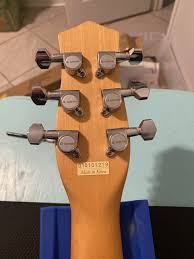
Headstock front and back: Shows the logo, tuners, and serial number location.
Full body front and back: Reveals overall condition, finish, and wear patterns.
Close-ups of damage or modifications: Document chips, cracks, replaced parts, or repairs.
Serial number: A clear, readable photo helps date your guitar accurately.
You can submit everything through our online form, by email, or by text.
Step 2: Receive your expert vintage guitar valuation
Once we receive your submission, our specialists review every detail. We examine the serial number's date range, finish authenticity, hardware correctness for the era, signs of modification, and current market comparables. You'll receive a response explaining what you have and what it's worth in today's market.
Step 3: Get a fair cash offer if you want to sell
Along with your appraisal, you'll receive an optional cash offer. This represents what we're willing to pay immediately, with no fees, commissions, or waiting. There's no obligation. Many people use our free appraisal service simply to understand what they have.
Types of guitars and instruments we appraise
While vintage guitars represent our primary focus, Edgewater's expertise extends across fretted instruments and related equipment.
Acoustic guitars
Vintage acoustics from Martin, Gibson, Guild, and other respected makers often hold significant value. Pre-war Martins represent the pinnacle of acoustic collectibility, but post-war examples and vintage Gibsons also command strong prices.
Electric guitars
Our expertise covers solidbody and hollowbody electrics across all major brands, from 1950s Les Pauls to 1960s Stratocasters to vintage Gretsch hollowbodies.
Bass guitars
Vintage Fender Precision and Jazz basses from the 1950s and 1960s have become highly collectible. Gibson basses, Rickenbacker, and other vintage makes also fall within our appraisal expertise.
Mandolins and banjos
Gibson mandolins, particularly pre-war examples, rank among the most valuable fretted instruments. We also appraise vintage banjos from Gibson, Vega, and other significant makers.
Vintage amplifiers
Collectible tube amplifiers from Fender, Marshall, Vox, and other classic brands often accompany guitar collections. We provide expert valuations for vintage amps alongside instruments.
Guitar brands we provide expert valuations for
Edgewater Guitars specializes in the major vintage brands that collectors prize most highly.
Gibson
Gibson's most iconic models include Les Paul Standards, ES-335s, SGs, Flying Vs, and vintage acoustics like the J-45. We're particularly knowledgeable about 1950s and 1960s production, with Les Paul Standards from 1958-1960 now selling for $250,000 to $800,000 depending on provenance.
Fender
Stratocasters, Telecasters, Precision Basses, Jazz Basses, Jazzmasters, and Jaguars from the pre-CBS era (before 1965) command our special attention. We also evaluate later Fender production and identify the specific features that affect value.
Martin
Martin acoustic guitars, especially pre-war examples and classic models like the D-28, D-45, and OM series, require specialized knowledge to appraise accurately.
Gretsch
Vintage Gretsch hollowbodies like White Falcons and Country Gentlemen have a dedicated collector following.
Guild
Guild acoustics and electrics from the 1950s through 1970s offer excellent quality and growing collector interest.
Other vintage and collectible brands
Beyond the major names, we appraise instruments from Rickenbacker, Epiphone (especially vintage American-made examples), D'Angelico, National, Dobro, and Mosrite.
How to determine your guitar worth by serial number
Serial numbers serve as essential identification tools, but they have limitations.
Locating the serial number varies by brand and era:
Fender: Check the neck plate (1950-1976), headstock front or back (1976+), or inside the neck pocket.
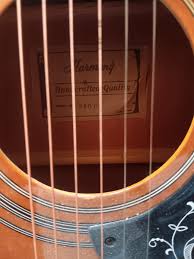
Gibson: Usually stamped on the back of the headstock. Acoustics also have labels inside the body.
Martin: Stamped on the neck block, visible through the soundhole.
Decoding the number requires brand-specific knowledge because each manufacturer used different formats that changed over the years. A six-digit Gibson serial number from 1955 follows completely different conventions than one from 1975.
A serial number confirms age and sometimes model, but it tells you nothing about condition, originality, or current market value. Two guitars with consecutive serial numbers could be worth vastly different amounts if one has been refinished or modified.
Online guitar appraisal vs guitar appraisers near me
If you're weighing a local appraisal against an online service, consider the key differences:
Factor | Online Guitar Appraisal | Local Guitar Appraisers |
|---|---|---|
Convenience | Submit from home anytime | Requires travel and scheduling |
Expertise | Access to specialized vintage experts | Limited to local shop knowledge |
Speed | Often same-day or next-day response | May require appointment wait times |
Cost | Often free for selling purposes | May charge appraisal fees |
Convenience and speed of online valuations
Online appraisals eliminate the need to transport a fragile, potentially valuable instrument. You photograph it at home, submit the images, and receive expert analysis without risking damage during travel.
Access to specialized vintage guitar expertise
Most local music stores focus on selling new instruments. Their staff might be excellent at helping you choose a beginner guitar, but they rarely have deep expertise in 1950s Gibson production variations or pre-CBS Fender authentication. Online services connect you with specialists who examine vintage guitars daily.
Fair market offers without geographic limits
Local demand affects what a nearby shop can offer. If you live in an area without many vintage guitar collectors, local buyers may offer less simply because they'll have trouble reselling. Online buyers like Edgewater Guitars serve clients across Ohio, the Midwest, and nationwide, so our offers reflect the broader collector market.
Why choose Edgewater Guitars for your free guitar appraisal
Edgewater Guitars has operated as Ohio's premier vintage guitar specialist since 2002.
Decades of vintage guitar expertise since 2002
Our team has examined thousands of vintage instruments over more than two decades. We recognize subtle authenticity markers, understand era-specific production details, and stay current with collector market trends.
No-obligation free valuations
Our appraisals are always free, and you're never pressured to sell. Many people contact us simply to understand what they have for insurance purposes, estate planning, or personal curiosity.
Fast payment and fair cash offers
If you decide to sell, we make the process simple. Accept our offer, and you receive payment immediately via cash, check, or direct deposit. No consignment waiting periods, no auction fees, no commission percentages. We travel throughout Ohio, Michigan, Pennsylvania, Indiana, and West Virginia to purchase quality instruments.
FAQs about online guitar appraisals
How long does an online guitar appraisal take?
Most appraisals are completed within one to three business days after you submit photos and details.
What photos do I need for an accurate guitar valuation?
Submit clear, well-lit photos of the headstock (front and back), full body (front and back), serial number, and any areas showing damage or modifications.
Are online guitar appraisals accurate?
Online appraisals from experienced specialists are highly accurate when you provide detailed, quality photos and honest condition descriptions.
Can I get my guitar appraised for insurance purposes?
Yes. Some situations require formal written documentation suitable for insurance coverage. Contact Edgewater to discuss your specific documentation requirements.
What is the difference between an appraisal and a cash offer?
An appraisal estimates fair market value. A cash offer is the specific amount a buyer will pay you immediately. Cash offers are typically somewhat below full retail value because the buyer assumes the work and risk of reselling.
Do repairs or modifications affect my guitar's appraised value?
Yes, significantly. Replaced parts, refinishes, and major repairs typically reduce a vintage guitar's value compared to an all-original example.
What if my guitar is not vintage or collectible?
Edgewater also evaluates quality used instruments that aren't necessarily vintage. Submit your guitar's details, and we'll let you know whether we can make an offer.
How do I find the serial number on my guitar?
Check the back of the headstock first. Also look at the neck plate (bolt-on neck guitars), inside the neck pocket, or on a label inside the soundhole (acoustic guitars).
Get your free guitar valuation today
Whether you're settling an estate, considering selling, or simply curious about an instrument that's been in storage for years, Edgewater Guitars provides expert valuations with no obligation.
The process takes just a few minutes: share some photos and basic details, and our specialists will respond with a professional assessment of what you have and what it's worth. Call us at (440) 219-3607 or submit your guitar through our online form.