DATE :
How to Determine Your Guitar Worth in 2026
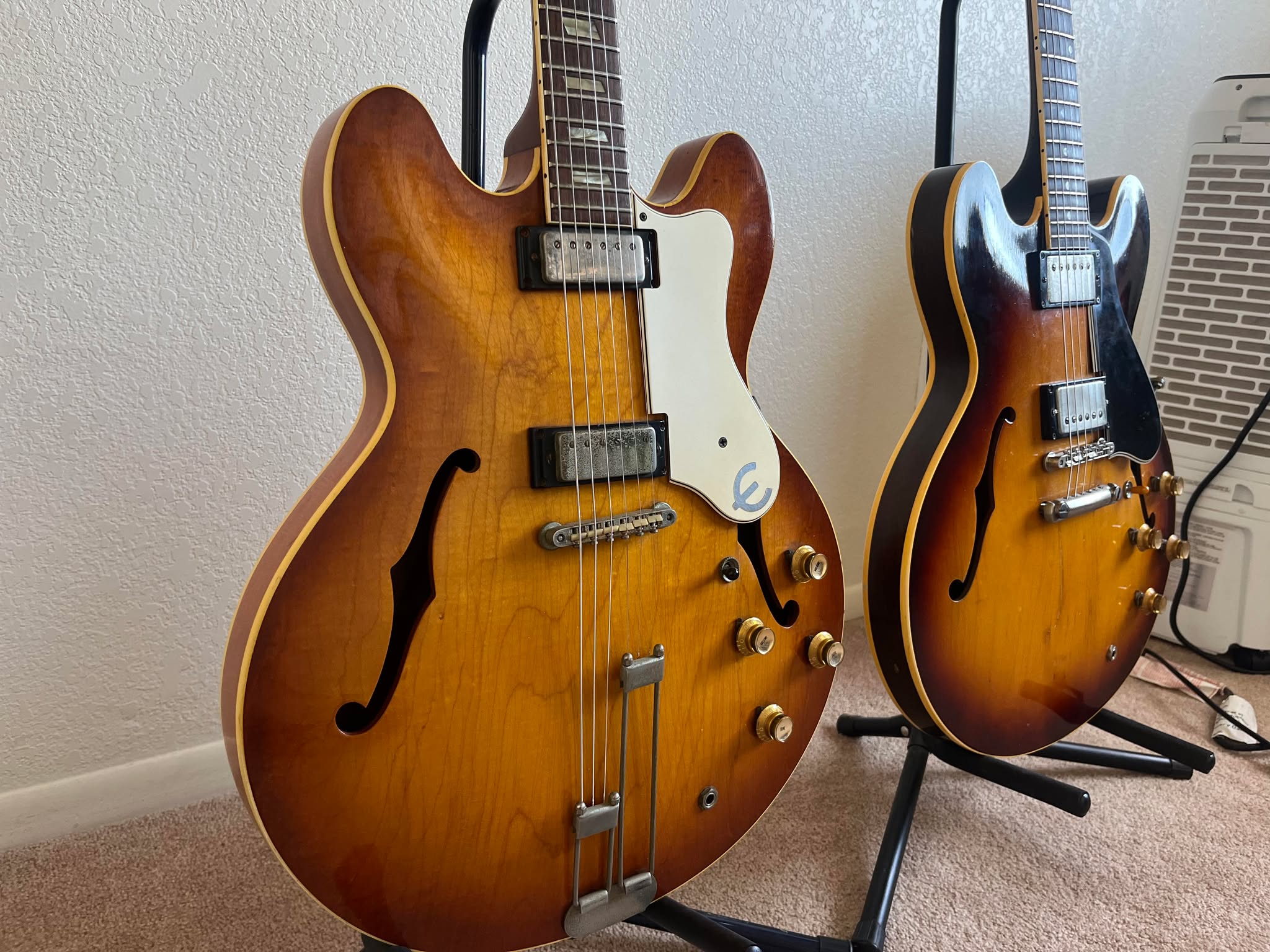
You've got a guitar sitting in a closet, an attic, or maybe propped against a wall—and you're wondering what it's actually worth. The answer could be anywhere from a couple hundred dollars to six figures, depending on what you have.
Guitar values hinge on five factors: brand, model, year, condition, and originality. This guide walks you through how to identify your instrument, decode its serial number, use price guides effectively, and understand exactly what drives value in the vintage and used guitar market.
How Much Is My Guitar Worth
You've pulled an old guitar out of a closet, inherited one from a relative, or simply started wondering what that instrument collecting dust might actually be worth. The answer depends on five key factors: brand, model, year of manufacture, condition, and originality. A 1959 Gibson Les Paul Standard in excellent original condition can command six figures—with examples selling for $250,000 to $800,000—while a 1990s entry-level Squier might bring a couple hundred dollars. The spread is enormous.
Guitar valuation—the process of determining fair market value—follows predictable patterns based on what collectors and players actually pay. Whether you have a vintage Fender Stratocaster, a pre-war Martin acoustic, or a Gibson from the golden era, the same principles apply. This guide walks you through exactly how to identify what you have, research its value, and figure out your next steps.
How to Find Your Guitar Value by Serial Number
The serial number is often the fastest route to identifying your guitar's age and model. Manufacturers stamp or ink these numbers during production, and each brand uses a different system. Once you decode the serial number, you'll know the approximate year—and that single piece of information can shift value dramatically.
Where to Locate Your Serial Number
Serial numbers hide in different spots depending on the manufacturer and era:
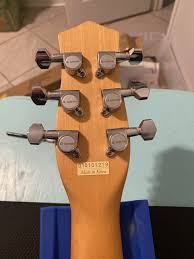
Headstock front or back: Most common location for Gibson, Fender (post-1976), and many other brands
Neck plate: Pre-1976 Fender guitars have the serial stamped on the metal plate where the neck bolts to the body
Neck heel or pocket: Visible when the neck is removed—often contains date stamps too
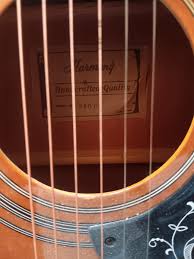
Inside the sound hole: Acoustic guitars frequently have labels or stamps on the neck block, visible with a flashlight
Fender Serial Number Lookup
Fender's numbering system changed multiple times over the decades. Pre-CBS Fenders (made before 1965, when CBS purchased the company) used serial numbers on the neck plate, typically starting with four or five digits. After 1976, numbers moved to the headstock and began including letter prefixes that indicate the decade.
A 1962 Stratocaster and a 1972 Stratocaster look similar to untrained eyes, yet the pre-CBS version commands significantly higher prices. The serial number tells you which era you're dealing with.
Gibson Serial Number Lookup
Gibson's serial number history is notoriously inconsistent. The company used different formats across different eras, sometimes reusing number ranges. A six-digit number from the 1950s follows different rules than a six-digit number from the 1970s.
For vintage Gibson guitars, you'll often want to cross-reference the serial number with other details: pot codes (date stamps on electronic components), factory order numbers inside the body, and construction features specific to certain years.
Martin Serial Number Lookup
Martin uses a straightforward sequential numbering system that makes dating relatively simple. The company kept excellent records, and their serial numbers run in a continuous sequence from the 1890s forward. You can find the number stamped on the neck block, visible through the sound hole.
Pre-war Martins (made before 1946) rank among the most valuable acoustic guitars in existence. A D-45 from 1942 occupies an entirely different category than a D-45 from 1972—and the serial number tells you exactly which you have.
How to Use Guitar Price Guides and Valuation Tools
No single resource provides a definitive answer on guitar values in a market worth $1.67 billion in 2024. Cross-referencing multiple sources gives you a realistic range and helps you spot outliers.
Blue Book of Guitar Values
The Blue Book of Guitar Values is a paid subscription database used by dealers, insurance companies, and serious collectors. It provides condition-graded valuations based on historical sales data and expert assessment. The database covers thousands of models across decades, though subscription costs add up and values sometimes lag behind fast-moving market trends.
Reverb Price Guide
Reverb's free price guide pulls from actual transaction data on their marketplace. You can search by brand, model, and year to see what similar guitars actually sold for—not just what sellers asked. This tool reflects current market conditions in real time, though condition varies widely between listings.
eBay Sold Listings for Market Data
eBay's "sold listings" filter shows completed transactions rather than active listings. Asking prices tell you what sellers hope to get, while sold prices tell you what buyers actually paid. Search for your guitar model, then filter by "sold items" to see real transaction data.
Vintage Guitar Price Guide Publications
Printed vintage guitar price guides still circulate among collectors, particularly for rare and unusual instruments. The trade-off is currency: printed guides can lag months or years behind market shifts.
Tool | Cost | Best For | Limitations |
|---|---|---|---|
Blue Book of Guitar Values | Paid subscription | Insurance, formal appraisals | Requires subscription |
Reverb Price Guide | Free | Current market prices | Limited historical data |
eBay Sold Listings | Free | Real transaction prices | Condition varies widely |
Vintage Guitar Price Guide | One-time purchase | Rare/collectible instruments | May be outdated |
What Factors Affect Guitar Value
Each of the following elements can significantly raise or lower your instrument's market position.
Brand and Model
Brand reputation directly impacts value:
Gibson, Fender, Martin: Command premium prices across most eras
Gretsch, Rickenbacker, Guild: Strong collector interest for specific models and periods
Epiphone, Squier, Sigma: Quality instruments, but typically valued lower than their parent brands
Within each brand, model matters enormously. A Gibson Les Paul Standard from 1959 and a Gibson Melody Maker from the same year occupy completely different value tiers.
Year of Manufacture
Certain production eras carry premium collector interest. Pre-war guitars (before 1946) are especially valuable for Martin acoustics. The 1950s represent Gibson's golden era for Les Pauls and ES models. Pre-CBS Fender (before 1965) marks peak collectibility for Stratocasters and Telecasters.
The 1970s generally represent a lower-value era for vintage guitars, as production quality declined at several major manufacturers. A guitar being "old" doesn't automatically make it valuable—the specific era matters.
Condition Grade
Condition dramatically impacts what buyers will pay. The vintage guitar market uses standard terminology:
Mint/New Old Stock: Unplayed, often with original packaging
Excellent: Minimal wear, fully functional, no significant cosmetic issues
Very Good: Light playing wear, minor cosmetic blemishes, structurally sound
Good: Moderate wear, may have repairs, fully playable
Fair/Poor: Heavy wear, damage, or major repairs
Originality and Modifications
"All original" guitars command the highest prices in the collector market. Originality means the instrument retains all factory-original parts: finish, hardware, electronics, and components.
Even well-intentioned modifications typically reduce value. Replaced pickups, changed tuners, or a professional refret can make a guitar play better while simultaneously lowering its collectibility. Refinishing—even expertly done—significantly impacts vintage guitar values.
Rarity and Market Demand
Scarcity alone doesn't guarantee high value; demand matters equally. Custom color Fenders illustrate this well. A Lake Placid Blue or Sonic Blue Stratocaster from 1962 commands a substantial premium over the standard sunburst version from the same year because the color was a special-order option.
How to Check Guitar Condition and Originality
Before seeking a valuation, you can assess your guitar's condition and originality yourself.
Inspect the Finish and Body
Start with the obvious visual elements. Fine finish cracks (called "checking") are common on vintage instruments and don't necessarily hurt value. Look for refinishing signs: overspray on binding or hardware, uneven color, or missing logos. Original finish, even with honest wear, typically beats a refinish in the collector market.
Examine the Neck and Frets
Neck condition affects both playability and value. Check for proper neck relief (the slight bow in the neck), fret wear like divots or flat spots, and evidence of neck resets—common on older acoustics.
Check Hardware and Electronics
Original hardware matters significantly for vintage guitar valuation. On electric guitars, the electronics hide under pickguards and control covers. If you're comfortable removing a few screws, you can check pot codes—date stamps that help verify originality.
Verify Original Parts and Components
Identifying non-original parts requires familiarity with what's correct for your guitar's era. Original cases, hang tags, and documentation add value—sometimes substantially for rare instruments.
Tip: Photograph everything before seeking a valuation. Clear images of the headstock, serial number, body front and back, and any labels or stamps give appraisers what they need.
Which Guitars Are Worth the Most Money
Certain categories consistently command premium prices in the collector market.
Vintage Gibson Guitars
Gibson's 1950s production represents the pinnacle of collectibility for the brand. Les Paul Standards from 1958-1960 (the "Burst" years) rank among the most valuable production guitars ever made. ES-335s and other semi-hollow models from this era also command strong prices.
Pre-CBS Fender Guitars
Fender guitars made before CBS purchased the company in 1965 occupy a special category. Stratocasters, Telecasters, Precision Basses, and Jazz Basses from this era consistently bring premium prices, with 1950s Stratocasters alone ranging from $15,000 to over $150,000 depending on condition and originality. A 1964 Stratocaster and a 1966 Stratocaster might look nearly identical, but the market values them very differently.
Pre-War Martin Acoustics
Martin guitars made before World War II represent some of the most valuable acoustic instruments in existence. The D-28, D-45, and 000-series models from this era command extraordinary prices when they surface. Pre-war Martins used Brazilian rosewood and construction techniques that changed after the war.
Rare and Limited Edition Models
Limited production runs, artist signature models, and unusual factory specifications can increase value—but only when paired with collector demand. A rare guitar that nobody wants remains hard to sell regardless of scarcity.
What Is the Difference Between Vintage and Used Guitar Values
The terms "vintage" and "used" describe different market categories with different value drivers.
Vintage guitars operate on collector logic. Buyers pay premiums for specific eras, original condition, and historical significance. A vintage guitar's value often increases with age, assuming it's from a desirable period and remains original.
Used guitars follow practical player demand. A five-year-old guitar in excellent condition sells based on its playability, features, and current retail pricing—not collector interest. The threshold for "vintage" varies, but guitars from before 1980 generally qualify, with pre-1965 instruments commanding the strongest interest.
Why Professional Guitar Valuation Gets You the Best Results
Online tools and price guides provide useful starting points, but they have limitations. They can't assess whether your finish is original or refinished. They don't catch subtle modifications that affect value. They can't evaluate structural condition or authenticate rare features.
For common guitars in obvious condition, self-research might suffice. For vintage instruments, rare models, or anything potentially valuable, expert evaluation protects your interests. Edgewater Guitars offers free, no-obligation valuations from specialists who focus on vintage and rare instruments throughout Ohio, Michigan, Pennsylvania, Indiana, and West Virginia.
FAQs About Guitar Worth and Valuation
What guitars are worth money?
Vintage instruments from Gibson, Fender, and Martin typically hold strong value, especially models from desirable eras with original parts and good condition. Pre-CBS Fenders, 1950s Gibsons, and pre-war Martins represent the highest-value categories.
Are old guitars automatically worth more than new ones?
Not necessarily. Age alone doesn't determine value—brand, model, condition, and originality all factor into whether an older guitar commands a premium. A 1975 guitar might be 50 years old but worth less than a well-maintained modern instrument.
How much will a pawn shop give for a guitar?
Pawn shops typically offer well below market value because they require profit margin and quick turnaround. For valuable vintage guitars, this gap can represent thousands of dollars compared to specialist buyers.
How accurate are free online guitar price guides?
Free tools like Reverb and eBay sold listings provide useful market data, but they may not account for condition nuances or rare variations that affect your specific instrument's value. Cross-referencing multiple sources gives a more accurate picture.
Can I get a professional guitar appraisal for free?
Some specialist buyers offer free, no-obligation appraisals as part of their purchasing process. Edgewater Guitars provides expert valuation at no cost—you'll understand exactly what you have and what it's worth, whether or not you decide to sell.
What is the difference between trade-in value and private sale value?
Trade-in value at music stores runs lower because retailers require margin to resell. Private sales and specialist buyers typically pay closer to full market value.
How can I tell if my guitar is a counterfeit?
Look for inconsistencies in logo fonts, serial number formatting, hardware quality, and construction details. Counterfeits often get small details wrong: incorrect headstock shapes, wrong tuner styles for the era, or finish characteristics that don't match authentic examples.