DATE :
Guitar Valuation Services – Free Vintage Guitar Appraisals & Market Value
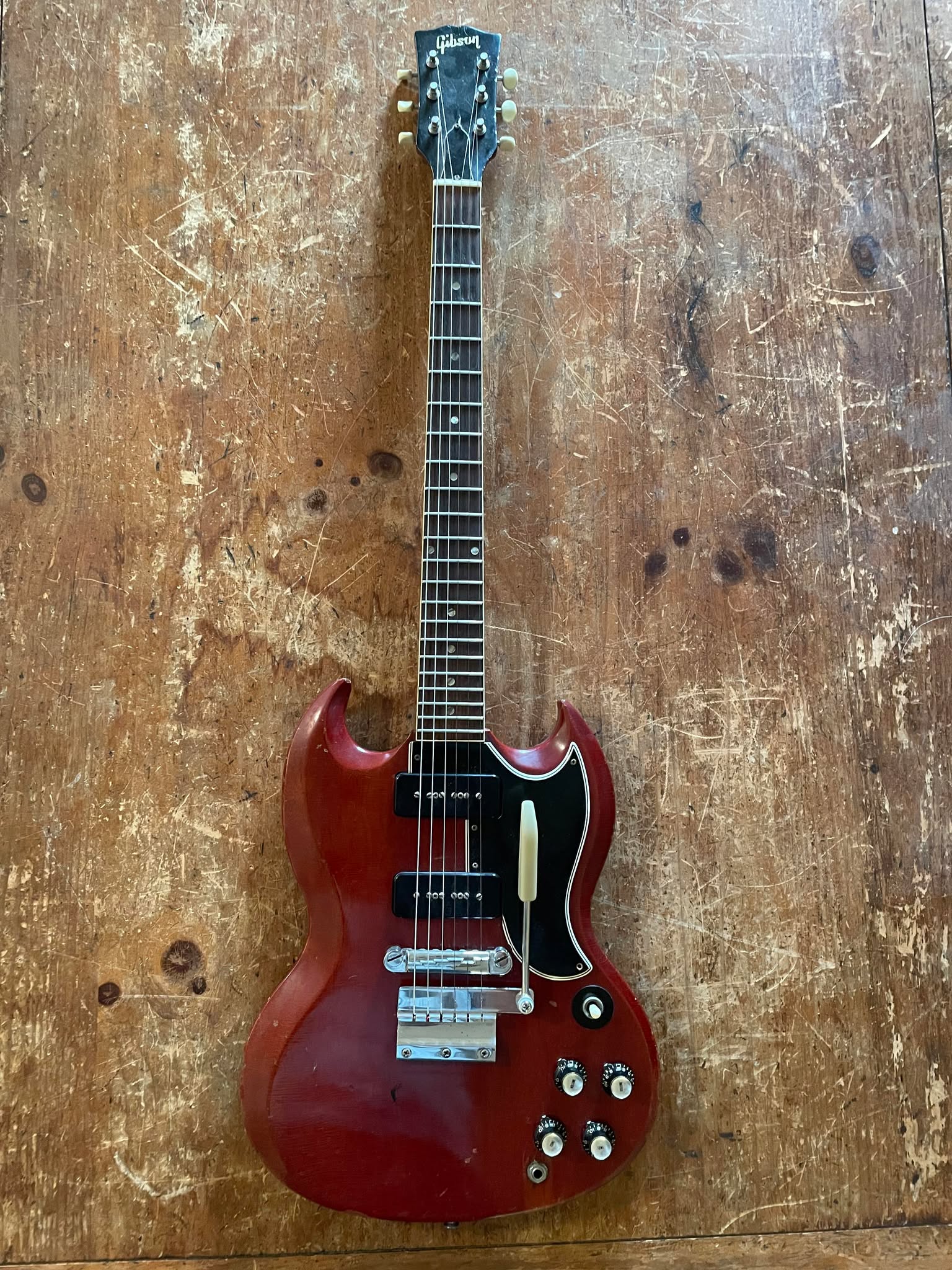
You're holding a guitar that might be worth $500—or $50,000—and you have no reliable way to tell the difference. Online price guides give you ranges so broad they're almost useless, and the guy at the local music shop offered you a number that felt suspiciously low.
A guitar valuation service provides a professional assessment of your instrument's current market worth, taking into account brand, era, condition, originality, and collector demand. This guide covers how these services work, what factors determine your guitar's value, and how to get an accurate appraisal without paying upfront fees.
What is a guitar valuation service
A guitar valuation service provides a professional assessment of your instrument's current market worth. Costs range from free quick checks to $150 or more for detailed written reports used for insurance, estate planning, or sales documentation. Reputable firms like Gruhn Guitars, Blue Book of Guitar Values, and specialized dealers analyze condition, authenticity, brand, era, and market trends to determine what a guitar would realistically sell for today.
Two main types of valuations exist. An informal valuation gives you a ballpark figure based on photos and basic details—helpful when you're curious or considering a sale. A formal appraisal produces a signed document with detailed specifications, serial number verification, and a defensible market value suitable for insurance claims or legal proceedings.
Your purpose determines which service you actually need. Settling an estate or insuring a valuable instrument typically calls for formal written documentation. Wondering whether dad's old Gibson is worth selling? A free expert valuation from a reputable buyer often provides exactly the information you need without upfront cost.
Why you might want a professional guitar valuation
You're holding an old guitar that's been in the family for decades, or maybe you've just inherited an instrument you know nothing about. What is this actually worth, and what are my options?
Selling your guitar for fair market value: Knowing true worth prevents you from accepting lowball offers from dealers or mispricing on private sales. Without accurate information, you're negotiating blind.
Documenting value for insurance coverage: Insurers typically require professional appraisals for coverage on valuable instruments. A homeowner's policy might not cover a $15,000 vintage Martin without proper documentation, with some insurers requiring appraisals for $3,000 or more in coverage.
Estate planning and probate requirements: Estates and inheritances often require formal valuations for legal and tax purposes. Executors have a fiduciary duty to establish accurate asset values.
Understanding what you own: Sometimes you simply want to know. Collectors and owners who have no intention of selling still benefit from understanding what they have and what care the instrument deserves.
What factors determine a guitar's market value
Appraisers examine specific criteria when establishing what your guitar is worth. Here's what they look at:
Brand and model: Certain makers—Gibson, Fender, Martin—command higher prices. Specific models within those brands are more sought-after than others. A Gibson Les Paul Standard occupies a different market tier than a Gibson Melody Maker, even though both carry the same logo, with vintage 1958-1960 Les Paul Standards commanding $200,000 to $450,000.
Year of manufacture: Age alone doesn't determine value, but era matters enormously. Pre-CBS Fender guitars(made before 1965), 1950s Gibsons, and pre-war Martins occupy premium collector categories.
Condition and playability: Wear, functionality, and structural integrity all affect price. A guitar that plays well and shows honest age-appropriate wear typically holds value better than one with cracks, warped necks, or non-functioning electronics.
Originality and modifications: All-original instruments almost always command higher prices. Replaced pickups, refinished bodies, or swapped hardware reduce collectibility—sometimes dramatically, with refinishing alone lowering value by 40-60%.
Rarity and collector demand: Limited production runs, discontinued models, and current market trends influence what buyers will pay. Some guitars that weren't popular when new have become highly collectible decades later.
Provenance and ownership history: Documented history—especially celebrity ownership or connection to significant recordings—can increase value substantially.
Tip: Don't assume wear equals low value. A beat-up 1959 Les Paul is still extraordinarily valuable. Condition matters, but era and originality often matter more.
Types of guitar valuation services compared
You have several options when seeking a valuation. The right choice depends on your purpose and timeline.
Service Type | Typical Cost | Best For | Key Limitations |
|---|---|---|---|
Online guitar value databases | Subscription or per-lookup fee | Quick reference checks | Generic estimates; can't assess your specific instrument's condition |
Paid professional appraisals | $150+ per instrument | Insurance documentation, legal proceedings | Cost adds up quickly with multiple guitars |
Free dealer valuations with cash offers | No cost | Selling, getting real market feedback | Only useful if you're considering a sale |
Online guitar value databases
Tools like the Blue Book of Guitar Values provide price ranges based on model and year. They're useful for initial research but can't account for your specific guitar's condition, originality, or unique features. Think of them as starting points rather than definitive answers.
Paid professional appraisals
Paid appraisals produce formal documentation—a signed report detailing specifications, condition, and market value. This route makes sense for insurance purposes, estate settlements, or exceptionally valuable guitars where documentation justifies the cost.
Free dealer valuations with cash offers
Reputable vintage guitar buyers offer no-obligation appraisals because they're hoping to purchase instruments they value. You get expert assessment at no cost, and if you decide to sell, you already have a fair offer in hand.
Get your free valuation from Edgewater Guitars →
How the vintage guitar valuation process works
Whether you're working with a paid appraiser or a buyer offering free valuations, the process follows a similar pattern.
1. Submit your guitar details and photos
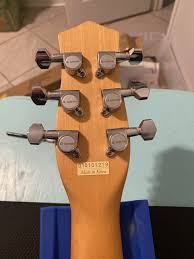
Gather basic information: brand, model, year (if known), and serial number. The serial number typically appears on the headstock, neck plate, or inside the body.
Clear photos make accurate remote assessment possible:
Full front and back views
Headstock showing logo and serial number
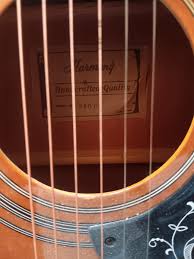
Any labels visible through the soundhole (for acoustic guitars)
Close-ups of wear, damage, or modifications
The case, if you have one
You can submit through an online form, email, or text—whatever works for your situation.
2. Receive your expert valuation
The appraiser reviews your details, researches comparable recent sales, and assesses condition from your photos. For valuable or complex instruments, in-person examination provides the most accurate assessment.
You'll receive either a market value estimate or, if working with a buyer, a specific cash offer. A good appraiser explains their reasoning—not just the number, but why that number makes sense given your guitar's specific characteristics.
3. Decide your next step
With a free valuation, there's no obligation. You might accept an offer and sell. You might use the appraisal information for insurance purposes. Or you might simply file the information away for future reference.
What types of guitars can be professionally valued
Almost any guitar can be appraised, though certain categories attract the most collector interest.
Vintage and collectible instruments: Pre-owned Fender, Gibson, Martin, Gretsch, and Rickenbacker guitars from key eras (roughly 1930s through early 1970s) represent the core of the vintage market. These instruments most often surprise owners with unexpected value.
Modern and gently used guitars: Newer instruments can also be appraised, especially limited editions, signature models, or high-end production guitars. A recent Gibson Custom Shop reissue or a limited-run Fender has real market value worth documenting.
Guitars in any condition: Damaged, modified, or non-working guitars can still be valued. Condition affects price—sometimes significantly—but doesn't disqualify an instrument from assessment.
How to prepare your guitar for a free appraisal
A little preparation helps appraisers give you accurate information quickly.
Gather basic information: Locate the brand, model, and serial number. On electric guitars, check the headstock front and back, plus the neck plate. On acoustics, look inside the soundhole with a flashlight for labels and stamps.
Take clear photographs: Good lighting and sharp focus matter more than professional equipment. Capture the guitar from multiple angles, and don't skip close-ups of any damage, wear, or unusual features.
Note any known history: Write down what you know about when and where the guitar was purchased, previous owners, repairs, or modifications. Provenance adds context that affects valuation.
Don't clean or repair: Resist the urge to polish, clean, or "fix up" the guitar before evaluation. Original patina and honest wear are part of what appraisers assess. Well-intentioned cleaning can actually reduce value by removing desirable aging or damaging original finishes.
What to do after your guitar valuation
Once you have valuation information, you face a decision. Your options depend on your goals and circumstances.
Accept a cash offer and get paid immediately
If you're selling, reputable buyers pay quickly—often the same day—via check, direct deposit, or cash. You avoid the uncertainty of consignment, the fees of auction houses, and the hassle of private sales.
Use your valuation for insurance or legal purposes
Formal appraisals can be submitted to insurers or used in estate proceedings. If you're keeping a valuable guitar, proper documentation protects you against loss or damage. If you're settling an estate, accurate valuation ensures fair distribution among heirs.
Hold your guitar and reassess later
There's no pressure to act immediately. Market values change over time, and your circumstances might shift. A valuation gives you information to make decisions on your own timeline.
Why guitar owners trust Edgewater Guitars for valuations
Edgewater Guitars has specialized in vintage guitar buying and appraisal since 2002, serving Ohio and neighboring states.
Decades of vintage guitar expertise: Our team knows pre-CBS Fenders, 1950s Gibsons, and pre-war Martins. We recognize original finishes, period-correct parts, and the subtle details that separate exceptional instruments from ordinary ones.
Free, no-obligation appraisals: You pay nothing for our assessment. We provide honest valuations because we're hoping to buy guitars we value—but there's never pressure to sell.
Fair, market-based offers: We pay based on what guitars actually sell for in the collector market, not what we can resell them for at retail markup.
Fast, flexible payment: When you accept an offer, you get paid immediately—cash, check, or direct deposit. No waiting for consignment sales or auction results.
Regional service with personal attention: Based in Ohio, we travel throughout the Midwest to evaluate and purchase quality instruments. Cleveland, Columbus, Cincinnati, Detroit, Pittsburgh, Indianapolis—we come to you for significant guitars.
Contact us for a free valuation →
Frequently asked questions about guitar valuation services
How much does a professional guitar appraisal cost?
Costs vary. Some dealers—including Edgewater Guitars—offer free valuations when considering purchase. Formal written appraisals from paid services typically run $150 or more per instrument.
How long does it take to get a guitar valued?
Online and dealer valuations based on photos often come back within a day or two. More complex instruments or formal written appraisals may take longer.
What is the difference between an appraisal and a valuation?
The terms are often used interchangeably. "Appraisal" sometimes refers specifically to formal, documented assessments suitable for insurance or legal use. A "valuation" might be more informal—an expert opinion on market value without the formal paperwork.
Do I need to clean my guitar before getting it valued?
No. Original patina, honest wear, and even accumulated grime are part of what appraisers assess. Improper cleaning can damage original finishes or remove desirable aging that collectors value.
Can I get a valuation for a damaged or modified guitar?
Yes. Damaged, modified, or non-functional guitars can still be appraised. Condition affects value but doesn't prevent assessment.
Is an online guitar valuation accurate enough for insurance?
It depends on your insurer. Many require formal written appraisals for coverage on valuable instruments. Database lookups and informal valuations provide useful estimates but may not satisfy documentation requirements.
How often should I get my vintage guitar reappraised?
Market values shift over time, so periodic reappraisal makes sense—especially before selling, renewing insurance, or updating estate plans. Every few years is reasonable for valuable instruments.
What qualifications should a guitar appraiser have?
Look for experience with vintage and collectible instruments, knowledge of current market trends, and reputation within the guitar community. Formal credentials matter less than demonstrated expertise and track record.
Get your free guitar valuation today
You've got questions about what your guitar is worth. Getting answers costs you nothing.
Edgewater Guitars offers free, no-obligation valuations for vintage, rare, and quality used instruments. Call us at (440) 219-3607, submit photos through our website, or text us details and pictures. We respond quickly, explain what we find, and give you the information you need to make confident decisions.