DATE :
Where to Sell a Vintage Gibson: Dealer vs Reverb vs eBay vs Pawn Shop
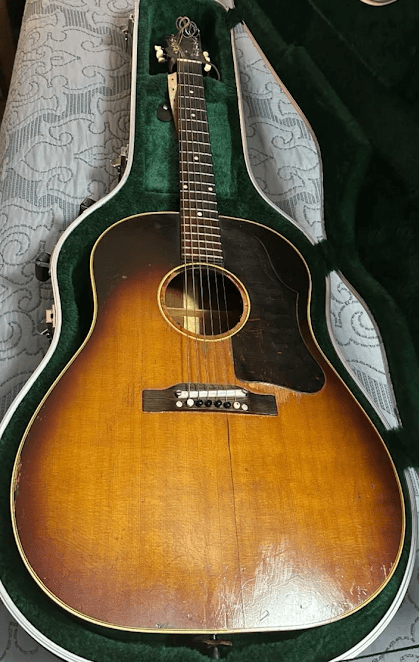
Where to Sell a Vintage Gibson: Dealer vs Reverb vs eBay vs Pawn Shop
A vintage Gibson usually nets the most from a specialist dealer: a same-day cash offer at fair market value, no fees, no shipping. Reverb or eBay can match that on rare models but cost weeks and fees; pawn shops pay far less. Edgewater Guitars buys Gibsons nationally, call (440) 219-3607 for a free appraisal.
How Each Option Actually Pays for a Vintage Gibson
Where you sell a Gibson Les Paul, SG, ES-335, J-45, or any other vintage model changes what you walk away with by hundreds or thousands of dollars, not a rounding error. Here is an honest look at what each channel actually delivers.
Option | Typical Payout | Timeline | Effort | Best For |
|---|---|---|---|---|
Specialist vintage dealer (Edgewater) | Fair, top-of-market wholesale value, paid same day | Same day | Very low | Fast, no-fee cash with zero shipping risk |
Reverb | Your list price, minus roughly 8% in platform and payment fees, minus your own shipping and packaging | 3 to 8 weeks, often longer for a specific buyer | High: photos, listing, messages, packing, shipping | Rare or highly desirable Gibsons a collector will pay a premium for |
eBay | List price minus eBay’s category fee and payment processing, minus shipping and insurance | 2 to 6 weeks | High, plus more return and dispute risk than Reverb | Ultra-rare pieces that benefit from a wider, international buyer pool |
Consignment shop | Sale price minus a commission, commonly in the 20 to 40% range, only if it sells | 1 to 6 months, no guarantee | Low after drop-off | Estate sellers who cannot ship and are not in a hurry |
Pawn shop | A fraction of fair value | Same day | Very low | Emergency cash only, not a real reflection of a vintage Gibson’s worth |
The numbers above are general ranges, not a quote for your specific guitar. Reverb and eBay fee schedules change from time to time, so check each platform’s current fee page for your category and seller tier before you list.
Specialist Vintage Dealer
A dealer who specializes in vintage Gibsons already knows what a real 1959 Les Paul burst, a PAF-era ES-335, or a banner-era J-45 is worth, so the appraisal is fast and the offer reflects true collector value, not a generic used-guitar guess. Edgewater buys nationally: we travel to inspect higher-value pieces in person when it makes sense, and for everything else we arrange fully insured shipping, inspect on arrival, and pay the same day. There are no listing fees, no payment processing cut, and no waiting for the right buyer to come along.
Reverb
Reverb is built for musicians selling to musicians, and for the right Gibson, that can work in your favor. A clean, correctly identified 1960s SG or a desirable early-1950s Goldtop can occasionally bring a strong number from a collector who wants that exact guitar. The catch is the full cost of getting there: Reverb charges sellers a 5% selling fee plus a payment processing fee that runs a little over 3%, so figure roughly 8% off the top before you add your own shipping and packaging materials. A guitar that sits unsold for weeks, gets relisted at a lower price, or comes back damaged in transit can easily net less than a same-day dealer offer once all of that is added up.
eBay
eBay’s biggest advantage is reach. Its fee structure has actually improved for guitars specifically: eBay charges a reduced final value fee for the Guitars & Basses category, well below its standard rate for most other product categories, though the exact percentage and any threshold tiers can change, so check eBay’s current category fee page before you list. Even with the lower category rate, payment processing, shipping insurance, and the higher chance of a return or a dispute on an expensive vintage instrument add real cost and real risk. For most Gibson sellers, eBay is worth considering only when the guitar is unusual enough that casting the widest possible net matters more than convenience.
Consignment Shop
Consignment can make sense for a high-value, hard-to-ship Gibson, especially an archtop or a guitar tied up in an estate where nobody wants to handle the sale personally. The tradeoff is time and uncertainty: most consignment arrangements run one to six months with no guarantee of a sale, and the shop keeps a commission, commonly somewhere in the 20 to 40% range, once it finally sells. If your timeline is flexible and the guitar is genuinely special, it is worth a look. If you want certainty, it is not the right choice.
Pawn Shop
A pawn shop is a short-term lender first and a guitar buyer second. Their business model depends on paying well under fair value so they can absorb the risk of an unredeemed loan and still resell at a profit. A vintage Gibson, even a common one, is usually worth far more than a pawn shop counter offer. See our full breakdown of how much pawn shops really pay for guitars for the specifics. If you need cash today and have no other option, a pawn shop is a real choice. If you have any flexibility at all, it is close to the bottom of this list for a reason.
When to Choose Each Option
Choose a specialist dealer if you want a fair number today, you are not sure exactly what you have, or you are handling an inherited Gibson and want the whole thing done in one call.
Choose Reverb if you know the market, have weeks to spare, and the guitar is desirable enough that a collector may pay above wholesale.
Choose eBay only for genuinely rare or unusual Gibsons where international reach outweighs the extra complexity.
Choose consignment if the guitar is high-value, hard to ship, and you can wait months without a guaranteed sale.
Skip the pawn shop for anything you believe is a genuine vintage Gibson. Get a second opinion first, even if it is just a free phone appraisal.
What Sellers Say About Edgewater
“I recently bought a 1963 Gibson ES-335 from Stephen at Edgewater Guitars for my dad, and he absolutely loves it! ... professional, knowledgeable, and made the entire process easy ... Highly recommend.” Annie Fuller, Google review
“Gavin ... provided speedy responses and a very honest and fair assessment of my 1963 Gibson SG Special. I highly recommend them!” George Watts, Google review
Related Reading
Where to Sell a Vintage Fender: Dealer vs Reverb vs eBay vs Pawn Shop
Where to Sell a Vintage Martin: Dealer vs Reverb vs eBay vs Pawn Shop
Local Guitar Shop vs a National Vintage Buyer: What’s the Difference?
Frequently Asked Questions
Is it better to sell a vintage Gibson to a dealer or on Reverb?
For most sellers, a specialist dealer is better: you get a fair offer the same day with no fees and no shipping. Reverb can occasionally net more on a genuinely rare Gibson if you have the time and market knowledge, but after its roughly 8% in combined fees plus your own shipping and packaging, the gap narrows quickly.
How much does Reverb take in fees when I sell a guitar?
Reverb charges a 5% selling fee plus a payment processing fee of a little over 3%, so plan on roughly 8% of your sale price going to fees before shipping costs. Check Reverb’s current fee page for your exact category and seller tier, since fees can change.
Do I have to travel to sell my Gibson to a national buyer?
No. Edgewater buys vintage Gibsons across the country. For guitars we cannot inspect in person, we arrange insured shipping, authenticate the instrument on arrival, and pay right away.
About This Guide
By Stephen Pedone and Gavin Coe, co-owners of Edgewater Guitars. We’ve appraised and purchased hundreds of vintage Gibson guitars across Ohio and nationwide, with over 30 years of combined experience in vintage guitar authentication.
Last updated: July 2026
Get a Free Gibson Appraisal
Curious what your Gibson is worth either way? Request a free estimate. No obligation, and if we are not the right buyer for your specific piece we will tell you that too.