DATE :
Where to Sell a Vintage Fender: Dealer vs Reverb vs eBay vs Pawn Shop
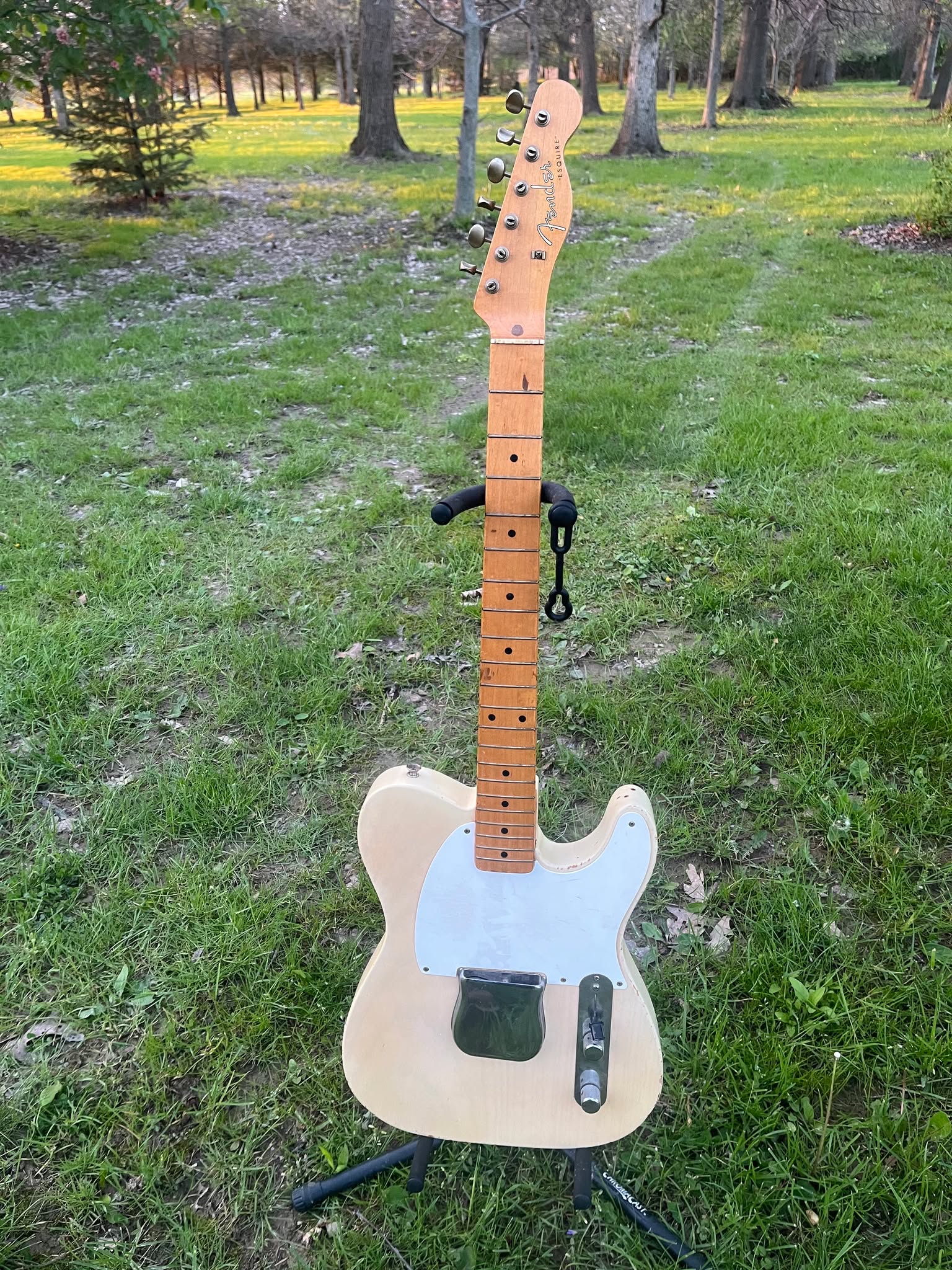
A vintage Fender usually sells best to a specialist dealer like Edgewater Guitars: same-day cash, no fees, no shipping risk. Consignment or Reverb can net more on a rare piece if you can wait weeks or months. eBay reaches more buyers but carries more risk. A local shop trade-in or pawn shop is fastest but pays least. Call or text (440) 219-3607: text us photos.
How Each Option Actually Pays for a Vintage Fender
Pre-CBS Stratocasters, blackguard Telecasters, offsets, and vintage Fender amps all move differently depending on where you sell them. Here is an honest look at what each channel actually delivers.
Option | Typical Payout | Timeline | Effort | Best For |
|---|---|---|---|---|
Specialist vintage dealer (Edgewater) | Fair, top-of-market wholesale value, paid same day | Same day | Very low | Fast, no-fee cash with zero shipping risk |
Reverb | Your list price, minus roughly 8% in platform and payment fees, minus your own shipping and packaging | 3 to 8 weeks, often longer for a specific buyer | High: photos, listing, messages, packing, shipping | Rare or highly desirable Fenders a collector will pay a premium for |
eBay | List price minus eBay’s category fee and payment processing, minus shipping and insurance | 2 to 6 weeks | High, plus more return and dispute risk than Reverb | Ultra-rare pieces that benefit from a wider, international buyer pool |
Consignment shop | Sale price minus a commission, commonly in the 20 to 40% range, only if it sells | 1 to 6 months, no guarantee | Low after drop-off | Estate sellers who cannot ship and are not in a hurry |
Pawn shop | A fraction of fair value | Same day | Very low | Emergency cash only, not a real reflection of a vintage Fender’s worth |
The numbers above are general ranges, not a quote for your specific guitar. Reverb and eBay fee schedules change from time to time, so check each platform’s current fee page for your category and seller tier before you list.
Specialist Vintage Dealer
A dealer who lives in vintage Fenders every day can tell a slab-board Strat from a veneer board, a real blackguard Tele from a relic, and price accordingly on the spot. Edgewater buys nationally: we travel to inspect higher-value pieces in person when it makes sense, and for everything else we arrange fully insured shipping, inspect on arrival, and pay the same day. There are no listing fees, no payment processing cut, and no waiting for the right buyer to come along.
Reverb
Reverb is a strong marketplace for Fenders specifically, since so much of its buyer base is players chasing a particular Strat or Tele. A clean pre-CBS example in the right color can occasionally bring a premium from the right buyer. The catch is the full cost of getting there: Reverb charges sellers a 5% selling fee plus a payment processing fee that runs a little over 3%, so figure roughly 8% off the top before you add your own shipping and packaging materials, which matter more for a Fender than you might expect given how easily a neck or headstock can be damaged in transit. A guitar that sits unsold for weeks or gets relisted at a lower price can net less than a same-day dealer offer once all of that is added up.
eBay
eBay’s biggest advantage is reach, and its fee structure has actually improved for guitars specifically: eBay charges a reduced final value fee for the Guitars & Basses category, well below its standard rate for most other product categories, though the exact percentage and any threshold tiers can change, so check eBay’s current category fee page before you list. Even with the lower category rate, payment processing, shipping insurance, and the higher chance of a return or a dispute on an expensive vintage instrument add real cost and real risk. For most Fender sellers, eBay is worth considering only when the guitar is unusual enough, a rare custom color or a documented original-owner piece, that casting the widest possible net matters more than convenience.
Consignment Shop
Consignment can make sense for a high-value Fender, particularly a documented custom-color Stratocaster or Jazzmaster, where a specialist shop’s collector network might find the right buyer faster than you could alone. The tradeoff is time and uncertainty: most consignment arrangements run one to six months with no guarantee of a sale, and the shop keeps a commission, commonly somewhere in the 20 to 40% range, once it finally sells. If your timeline is flexible and the guitar is genuinely special, it is worth a look.
Pawn Shop
A pawn shop is a short-term lender first and a guitar buyer second. Their business model depends on paying well under fair value so they can absorb the risk of an unredeemed loan and still resell at a profit. A vintage Fender, even a common Mexican-import-era piece aside, tends to be worth far more than a pawn shop counter offer once you get into pre-CBS or custom-color territory. See our full breakdown of how much pawn shops really pay for guitars for the specifics.
What each way of selling a vintage Fender costs
Every option below has a real cost, whether it is a percentage fee, a commission, or simply a lower payout. Here is what a seller actually gives up with each one.
Where you sell | What it costs the seller |
|---|---|
Reverb | See Reverb's current fee page for the exact selling fee and payment processing rate for your seller tier. |
eBay | 6.7% final value fee on the Guitars and Basses category up to $7,500, then 2.35% on the portion above that, plus payment processing. |
Consignment shop | A commission of roughly 20% to 30% of the sale price, set by shop policy, only if the guitar sells. |
Dealer or specialist buyer (Edgewater) | No fee. The cash offer is the net amount, paid the same day. |
Pawn shop | No listing fee, but the payout is set low by the shop rather than tied to a market fee, since pawn shops lend money first and buy guitars second. |
eBay's Guitars and Basses final value fee is from eBay's own fee page. The consignment range reflects two shops' published commission terms fetched this session: Guitars on Main (30% on all consigned items) and Musicville (20% of the sale price). Fees on every platform change, so confirm current rates before you commit to one.
When to Choose Each Option
Choose a specialist dealer if you want a fair number today, you are not sure exactly what era or model you have, or you would rather not deal with shipping a guitar with a delicate vintage finish.
Choose Reverb if you know the market, have weeks to spare, and the guitar is desirable enough that a collector may pay above wholesale.
Choose eBay only for genuinely rare or unusual Fenders where international reach outweighs the extra complexity.
Choose consignment if the guitar is high-value, hard to ship, and you can wait months without a guaranteed sale.
Skip the pawn shop for anything you believe is a genuine vintage Fender. Get a second opinion first, even if it is just a free phone appraisal.
What Sellers Say About Edgewater
“Gavin drove all the way to Parma and paid top dollar for my 1965 Stratocaster, I couldn’t be happier ...” Brennen Nemeth, Google review
“Edgewater Guitars drove to my home and paid cash for my vintage 1962 Fender Stratocaster. Easy to work with and very professional.” Jake Ghaffari, Google review
Related Reading
Where to Sell a Vintage Gibson: Dealer vs Reverb vs eBay vs Pawn Shop
Where to Sell a Vintage Martin: Dealer vs Reverb vs eBay vs Pawn Shop
Local Guitar Shop vs a National Vintage Buyer: What’s the Difference?
Frequently Asked Questions
Is it better to sell a vintage Fender to a dealer or on Reverb?
For most sellers, a specialist dealer is better: you get a fair offer the same day with no fees, no shipping, and no risk of transit damage to a delicate vintage neck or finish. Reverb can occasionally net more on a genuinely rare Fender if you have the time and market knowledge, but after its roughly 8% in combined fees plus your own shipping, the gap narrows quickly.
How much does Reverb take in fees when I sell a guitar?
Reverb charges a 5% selling fee plus a payment processing fee of a little over 3%, so plan on roughly 8% of your sale price going to fees before shipping costs. Check Reverb’s current fee page for your exact category and seller tier, since fees can change.
Do I have to travel to sell my Fender to a national buyer?
No. Edgewater buys vintage Fenders across the country. For guitars we cannot inspect in person, we arrange insured shipping, authenticate the instrument on arrival, and pay right away.
Where is the best place to sell a vintage Fender guitar?
For most sellers, a specialist vintage dealer is the best place: a same-day cash offer with no fees and no shipping risk. Reverb or a consignment shop can suit a rare or high-value Fender if you have weeks to spare. Edgewater Guitars buys nationwide; request a free estimate to compare your options.
How do I find out what my old Fender is worth?
Start with the serial number and neck stamp to confirm the model and year, since value depends heavily on era, originality, and condition. Our Fender serial number lookup narrows down the date. From there, a free appraisal from Edgewater Guitars gives you a real offer range based on your specific guitar, not a generic estimate.
How do I tell if my Fender is pre-CBS?
Pre-CBS Fenders were built before CBS bought the company in early 1965. Small details, like neck plate stamps, pickguard screw counts, and pot codes, set them apart from later years. The surest way to date yours is by serial number and neck stamp, not by looks. Our Telecaster dating guide can help, or ask for a free estimate.
About This Guide
By Stephen Pedone and Gavin Coe, co-owners of Edgewater Guitars. We’ve appraised and purchased hundreds of vintage Fender guitars across Ohio and nationwide, with over 30 years of combined experience in vintage guitar authentication.
Last updated: July 2026
Get a Free Fender Appraisal
Curious what your Fender is worth either way? Request a free estimate. No obligation, and if we are not the right buyer for your specific piece we will tell you that too.