DATE :
The Complete Guide to Guitar Adjustments for Better Playability
Your guitar feels harder to play than it used to, or maybe notes buzz in certain positions while others ring out fine. These frustrations almost always trace back to setup issues—adjustments that take less than an hour but transform how an instrument responds to your hands.
This guide walks through each adjustment in the correct sequence, from diagnosing problems to dialing in neck relief, action, and intonation, so you can get your guitar playing the way it should.
What Is a Guitar Setup and What Does It Include
A guitar setup is the process of adjusting neck relief, string action, and intonation to improve how an instrument plays and sounds. These three adjustments work together in a specific sequence: neck relief affects string height, string height affects playability, and intonation determines whether your guitar stays in tune across the fretboard. When done correctly, a proper setup transforms a frustrating instrument into one that responds naturally to your touch.
Most guitars benefit from setup work every six to twelve months, or whenever playability changes noticeably. Temperature and humidity shifts cause wood to expand and contract, which directly affects neck curvature and string height by 1-3mm of action change.
Components of a Professional Guitar Setup
A complete setup addresses several interconnected elements:
Neck relief (truss rod adjustment): Controls the slight bow in the neck that allows strings to vibrate without buzzing against frets
String action (bridge/saddle height): Determines how far strings sit above the frets, affecting how much pressure is required to fret notes
Intonation: Ensures notes play in tune at every fret position, not just when strings are open
Nut slot height: Affects playability at the first few frets where many chords are formed
Pickup height (electric guitars only): Balances output level and tone quality
Signs Your Guitar Needs Adjustment
Several symptoms indicate when a guitar has fallen out of proper setup:
Fret buzz: Strings rattle against frets during normal playing, especially in certain positions
High action: Pressing strings down feels difficult, particularly in the middle and upper frets
Tuning problems: Notes sound sharp or flat at certain fret positions even when open strings are perfectly in tune
Stiff feel near the nut: First-position chords require excessive finger pressure
How Often You Should Set Up Your Guitar
Seasonal changes typically warrant a checkup. Guitars stored in heated homes during winter often develop issues as indoor humidity drops. Similarly, moving an instrument between air-conditioned spaces and outdoor environments can trigger wood movement. Changing string gauge—say, from light to medium—also requires readjustment since different tensions pull on the neck differently.
Essential Tools for Setting Up a Guitar
You probably already own most of what you'll use. The tools are simple, and investing in a few specialized items makes the process much easier.
Basic Tools Every Guitarist Needs
Allen wrenches (hex keys): Required for truss rod nuts and saddle height screws on most guitars
Chromatic tuner: Essential for accurate intonation work—clip-on or pedal tuners both work well
String action gauge or ruler: Measures string height at specific frets; a machinist's ruler with 1/64" increments works
Screwdrivers (Phillips and flathead): Needed for pickup height adjustment and some bridge components
Fresh strings: Always install new strings before starting setup work since old strings affect measurements
Optional Tools for Advanced Setup Work
For those who want greater precision, a few additional items help. Feeler gauges measure neck relief with exact specifications. Radius gauges match saddle heights to your fretboard's curve. Nut files shape nut slots, though this work often requires professional skill. A fret rocker identifies uneven frets that cause localized buzzing.
How to Prepare Your Guitar Workspace
Find a flat, stable surface with good lighting. A soft cloth or towel protects the finish while you work. Before making any adjustments, tune the guitar to pitch—string tension affects every measurement you'll take.
The Correct Order of Guitar Setup Adjustments
Order matters more than most players realize. Each adjustment affects the others, so working out of sequence means redoing steps you've already completed.
The proper sequence follows this logic: tune to pitch first, then set neck relief, then adjust action, and finally dial in intonation. Why this order? Neck relief changes string height across the entire fretboard. If you set action first and then adjust the truss rod, your action measurements become invalid. Similarly, intonation depends on string height—change the action after setting intonation, and you'll have to redo it.
Think of it like building a house: foundation first, then framing, then finishing work. Skip ahead, and you'll tear things apart to fix what you missed.
How to Diagnose Your Guitar's Setup Problems
Before turning any screws, assess what's actually happening with your instrument. Diagnosis prevents unnecessary adjustments and helps you understand what each change accomplishes.
How to Sight a Guitar Neck for Straightness
Hold the guitar at eye level and look down the neck from the headstock toward the body, using the edge of the fretboard as your sight line. A properly adjusted neck shows a very slight forward bow—not perfectly straight, and definitely not curved backward. This technique gives you a quick visual reference before measuring.
What Upbow and Backbow Mean
Upbow (also called relief) occurs when the neck curves away from the strings, creating a slight dip in the middle frets. Some relief is normal and desirable—it gives vibrating strings room to move without hitting frets.
Backbow happens when the neck curves toward the strings, often causing fret buzz in the middle positions. Backbow typically requires loosening the truss rod to add relief.
How to Do the Tap Test for Neck Relief
This classic technique measures relief precisely. Press the low E string down at the first fret and simultaneously at the fret where the neck joins the body (usually around the 14th fret). With the string held at both points, tap it at the 7th or 8th fret.
You want to feel a small gap—roughly the thickness of a business card. No gap suggests backbow; a large gap indicates excessive relief.
Measuring Your Current String Action
Use a ruler or action gauge to measure the distance between the bottom of the string and the top of the 12th fret. Measure while the guitar is tuned to pitch and sitting in playing position.
String Side | Low Action | Medium Action | High Action |
|---|---|---|---|
Bass (low E) | 3/32" (2.4mm) | 7/64" (2.8mm) | 1/8" (3.2mm) |
Treble (high E) | 1/16" (1.6mm) | 5/64" (2mm) | 3/32" (2.4mm) |
These measurements provide starting points—personal preference and playing style ultimately determine your ideal action.
How to Adjust Neck Relief with the Truss Rod
The truss rod is a metal rod running through the neck that counteracts string tension. Tightening it pulls the neck backward (reducing relief), while loosening allows the neck to bow forward (adding relief). This adjustment comes first in the setup sequence because it affects string height everywhere on the fretboard.
How a Truss Rod Works
Strings pull the headstock forward with 160 pounds of force. Without a truss rod, necks would eventually warp beyond playability. The rod provides an opposing force, letting you fine-tune the neck's curve. On most guitars, clockwise rotation tightens (reduces bow), and counter-clockwise loosens (adds bow).
Step 1. Locate Your Truss Rod Access Point
Most electric guitars have the adjustment nut at the headstock, either visible or hidden under a small cover plate. Many acoustic guitars require reaching through the soundhole to access the nut at the neck joint. Some vintage instruments and certain modern designs require removing the neck entirely—if you encounter this, consider whether you're comfortable with that level of disassembly.
Step 2. Determine If You Need More or Less Relief
Reference your tap test results. If you felt no gap between the string and the 7th fret, the neck likely has backbow and relief is needed (loosen the truss rod). If the gap felt excessive—more than a credit card's thickness—the neck has too much relief and tightening is appropriate.
Step 3. Make Small Quarter-Turn Adjustments
This step requires patience. Turn the truss rod nut only one-quarter turn at a time, then stop. Forcing a stuck truss rod can crack the neck or strip the nut—if you feel significant resistance, stop immediately and consult a professional. Wood responds slowly to tension changes when humidity shifts from optimal 45-55%, so give the neck time to settle before evaluating results.
Step 4. Let the Neck Settle and Recheck
After each adjustment, re-tune the guitar to pitch and repeat the tap test. The neck may continue moving slightly over the next few hours or even days. Many experienced technicians make an adjustment, then wait overnight before fine-tuning further.
Tip: If you're working on a vintage or valuable guitar, consider having a professional handle truss rod adjustments. Older instruments sometimes have fragile truss rods or unusual designs that require specialized knowledge. Get your free valuation from Edgewater Guitars to understand what you have before making changes.
How to Adjust Action and String Height
With neck relief properly set, you can now address string height at the bridge. Action adjustment is where personal preference really comes into play—some players want strings as low as possible for speed, while others prefer higher action for cleaner tone and slide playing.
How to Measure String Height Correctly
Measure at the 12th fret with the guitar tuned to pitch. Press the string down at the first fret to eliminate nut height from your measurement, then check the gap between the string bottom and fret top at the 12th fret. This gives you the most accurate reading of your bridge-side action.
Adjusting Bridge Saddles on Electric Guitars
Most electric guitars have individually adjustable saddles with small screws on each side. Using the appropriate Allen wrench, raise or lower each saddle to achieve your target height. Adjust both screws on each saddle equally to keep the saddle level. Follow the fretboard radius—the bass strings sit slightly higher than the treble strings, matching the fingerboard's curve.
Adjusting Saddle Height on Acoustic Guitars
Acoustic guitars present a different challenge. The saddle is typically a single piece of bone or synthetic material sitting in a slot. Raising action requires shimming under the saddle or installing a taller replacement. Lowering action means removing material from the saddle bottom—a permanent change that's difficult to reverse.
For this reason, many players leave acoustic saddle work to professionals, especially on valuable instruments.
Recommended Action Heights by Playing Style
Lower action: Easier fretting and faster playing, though more prone to fret buzz—favored by lead players
Higher action: Cleaner tone and better sustain, works well for slide guitar and aggressive strumming
Personal preference: Start with medium action and adjust based on how the guitar feels and sounds to you
How to Set Intonation So Your Guitar Plays in Tune
Intonation ensures that notes play in tune across the entire fretboard, not just when you play open strings. Even a perfectly tuned guitar can sound out of tune at higher fret positions if the intonation is off. This adjustment comes last because it depends on correct neck relief and action.
What Causes Intonation Problems
String length determines pitch at each fret position. If the speaking length of the string (from nut to saddle) isn't precisely calibrated, fretted notes will be sharp or flat compared to open strings. Worn frets, incorrect saddle position, and old strings can all throw intonation off.
Step 1. Tune the Open String
Start with fresh strings and tune each string precisely using a chromatic tuner. Old strings often have inconsistent mass along their length, making accurate intonation impossible. If your strings are more than a few weeks old, replace them before this step.
Step 2. Compare the Fretted 12th Fret Note to the Harmonic
Play the natural harmonic at the 12th fret by lightly touching the string directly over the fret wire and plucking. Note the tuner reading. Then press the string down at the 12th fret normally and compare. The two notes represent the same pitch—if they don't match on your tuner, adjustment is appropriate.
Step 3. Adjust the Saddle Position Forward or Back
The rule is straightforward:
Fretted note sharp: Move the saddle back (away from the neck) to lengthen the string
Fretted note flat: Move the saddle forward (toward the neck) to shorten the string
Most electric guitar bridges have screws at the back of each saddle for this adjustment. Turn the screw, re-tune the open string, and check again.
Step 4. Repeat the Process for Each String
Work through all six strings individually. Re-tune after every saddle movement—even small position changes affect pitch. This process takes patience, but accurate intonation makes an enormous difference in how your guitar sounds when playing chords and melodies up the neck.
How to Adjust Pickup Height for Better Tone
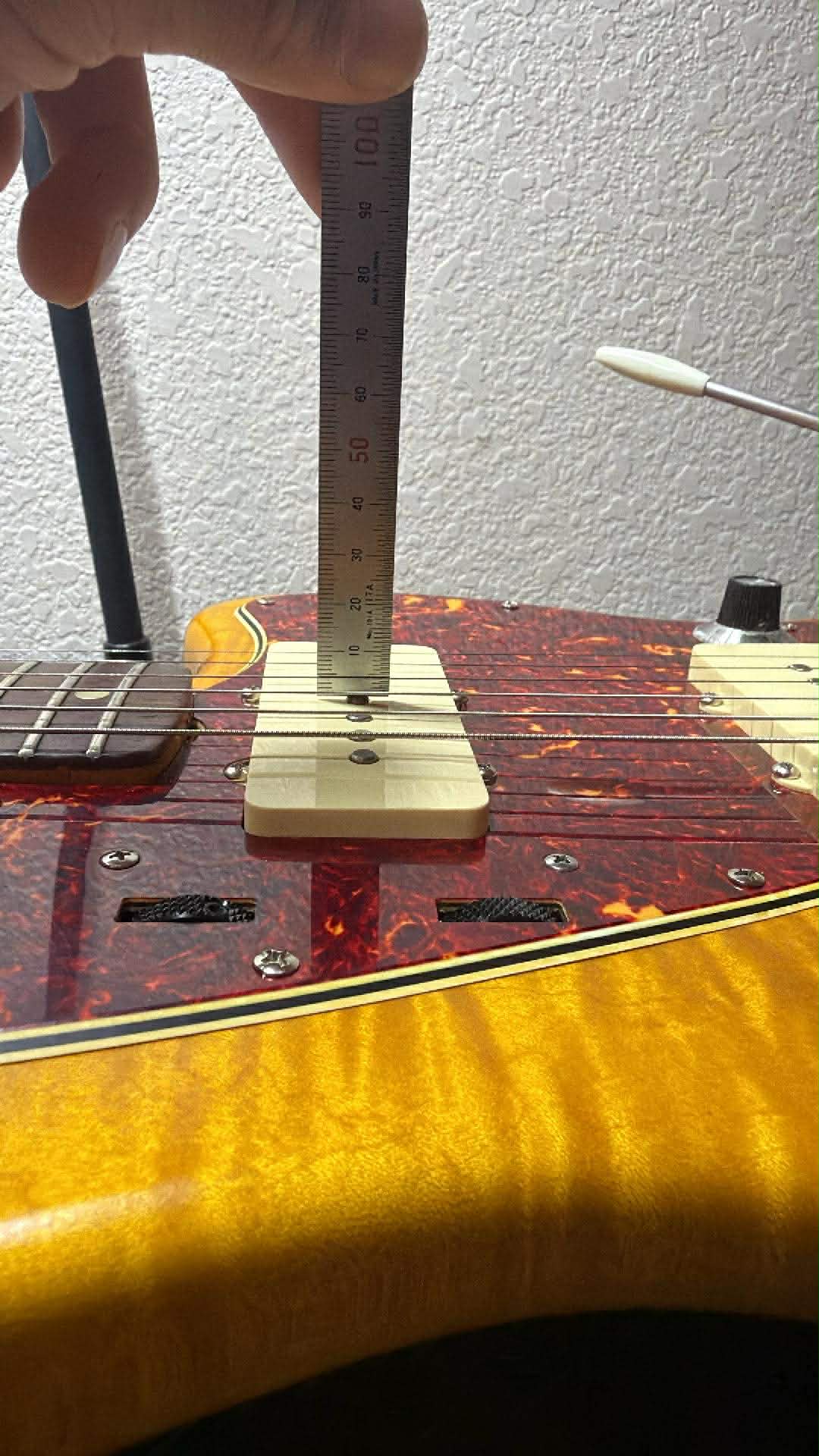
On electric guitars, pickup height affects both output level and tonal character. Pickups that sit too close to the strings can cause tuning problems and strange overtones, while pickups positioned too far away sound weak and undefined.
How Pickup Distance Affects Your Sound
Pickups use magnets to sense string vibration. When positioned very close to the strings, the magnetic field can actually pull on the strings, causing pitch wobble and unusual overtones called "wolf tones." Too far away, and the pickup doesn't capture enough signal, resulting in thin, quiet output. The sweet spot balances strong output with clean response.
Recommended Pickup Heights by Pickup Type
Pickup Type | Bass Side | Treble Side |
|---|---|---|
6/64" (2.4mm) | 5/64" (2mm) | |
4/64" (1.6mm) | 4/64" (1.6mm) | |
P-90 | 5/64" (2mm) | 4/64" (1.6mm) |
These measurements represent starting points. Adjust screws on either side of the pickup to raise or lower it, then play through your amp at performance volume to evaluate the results.
When to Seek Professional Guitar Setup Help
Some adjustments fall outside comfortable DIY territory, and certain guitars warrant extra caution. Knowing your limits protects both you and the instrument.
Setup Problems That Require a Luthier
Stuck truss rod: Forcing it risks cracking the neck
Fret leveling and crowning: Requires specialized tools and technique
Nut replacement or slot cutting: Easy to ruin and difficult to reverse
Structural issues: Cracks, loose braces, or neck angle problems
Neck reset on acoustics: A major repair requiring expertise
Special Considerations for Vintage and Valuable Guitars
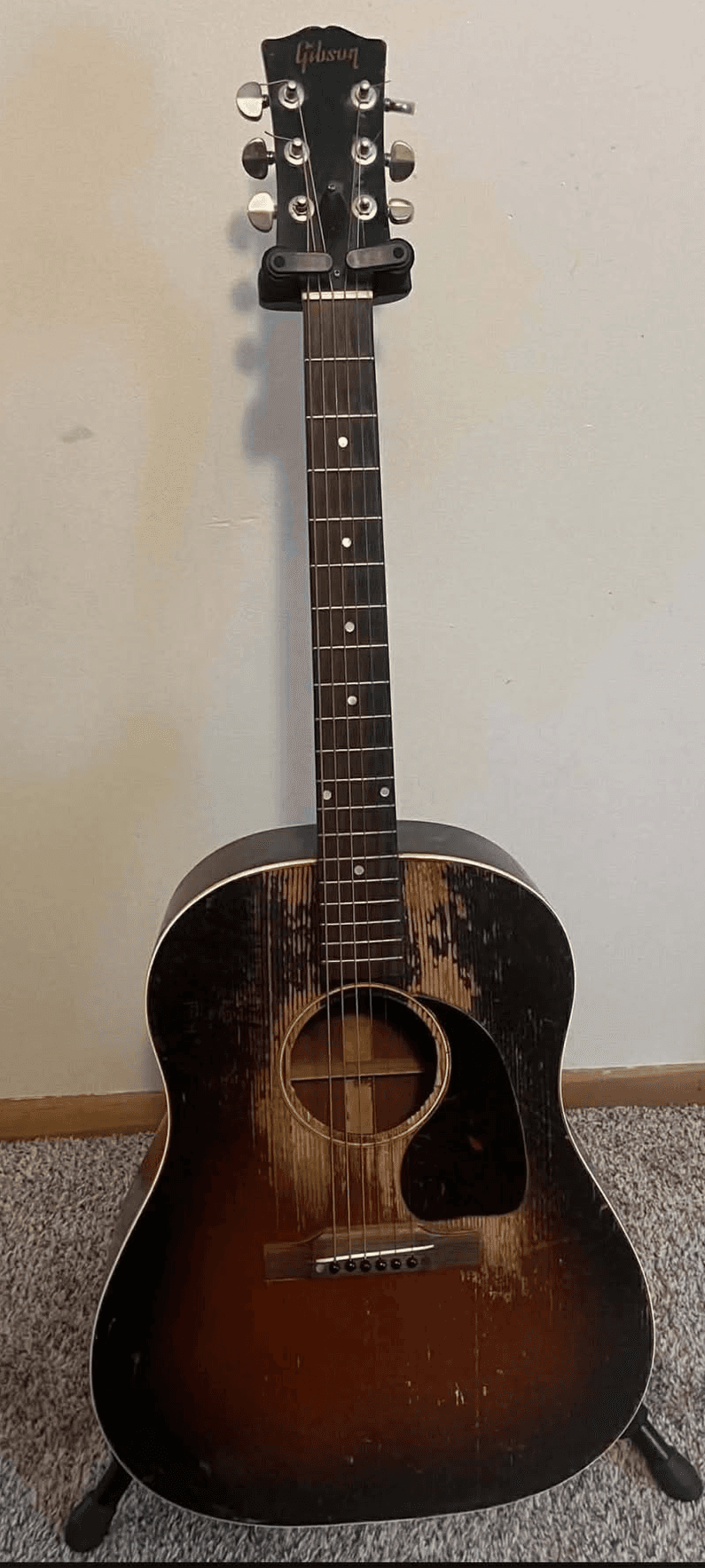
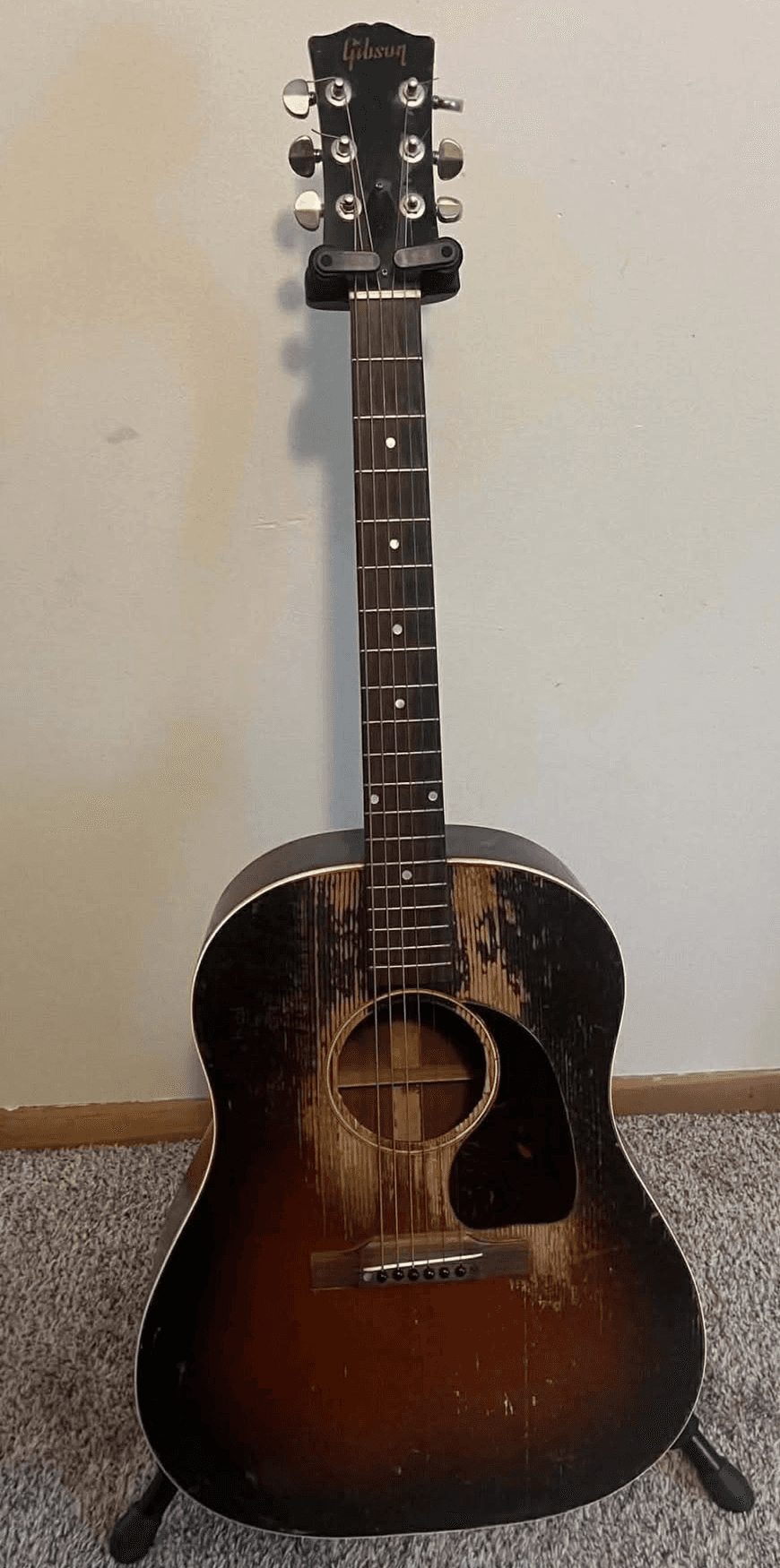
Older instruments often have brittle components, non-standard hardware, or collectible originality that DIY work can compromise. A 1960s Gibson or pre-CBS Fender deserves professional attention—not because the adjustments are fundamentally different, but because mistakes on valuable instruments carry higher stakes.
Even well-intentioned modifications can affect resale value significantly. If you own a vintage guitar or suspect your instrument might be valuable, start by checking your serial number to verify its age and origin, then consider having it evaluated before making any changes.
Frequently Asked Questions About Guitar Setup
Can adjusting a guitar's truss rod damage the instrument?
Yes, forcing a stuck truss rod or making large adjustments too quickly can crack the neck or strip the adjustment nut. Always make small quarter-turn adjustments and stop immediately if you feel significant resistance.
How long does a complete guitar setup take?
A basic setup takes most players under an hour once they're familiar with the process. First-timers typically allow extra time for learning and careful measurement.
Do brand new guitars need to be set up?
Most new guitars benefit from setup work because factory settings are generic, and wood often shifts during shipping and climate adjustment. Even expensive instruments frequently arrive with room for improvement.
How does humidity affect guitar setup and adjustments?
Wood expands and contracts with humidity changes, directly affecting neck relief and action. Guitars in dry climates or heated homes often require more frequent adjustment than those in stable environments.
What string gauge is best to use before setting up my guitar?
Use the string gauge you plan to play with regularly. Different gauges create different tension that affects neck relief and action—changing gauge later requires re-adjustment of the entire setup.