DATE :
Sell Your Musical Gear to Edgewater Guitars
That guitar, bass, or amp sitting in your closet represents real money—but only if you sell it through the right channel. Local music stores typically offer 40 to 60 percent below market value, online marketplaces demand weeks of effort and fees, and consignment means waiting months with no guarantee of a sale.
This guide walks you through how to sell musical gear quickly and fairly, what instruments hold the most value, and how direct buyers like Edgewater Guitars compare to other selling options.
How to Sell Musical Instruments for Cash
You have a guitar, bass, or amp collecting dust, and you're wondering: what's the fastest way to turn it into cash without getting ripped off? The best approach depends on what you're selling, how quickly you want payment, and whether you're willing to handle listings, shipping, and negotiations yourself.
Selling musical gear works differently depending on what you have. A 1964 Fender Stratocaster requires a completely different approach than a five-year-old Epiphone. Once you understand the basics, though, the process becomes straightforward.
1. Tell Us About Your Instrument
Start by gathering the details any serious buyer will ask for:
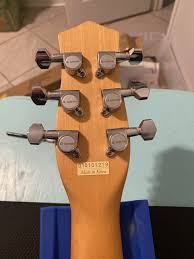
Brand: The manufacturer name on the headstock or label—Fender, Gibson, Martin, Gretsch, and so on
Model: The specific instrument type, like Stratocaster, Les Paul, or D-28
Year: When it was made, which serial numbers help determine
Condition: An honest look at wear, damage, modifications, and whether everything works
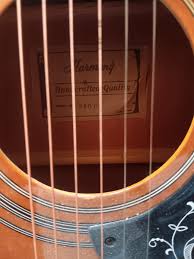
Take clear photos from multiple angles. Capture the front, back, headstock, serial number, and any damage or modifications. Good photos save back-and-forth and lead to more accurate valuations.
You can submit this information through our online form, by text, or via email.
2. Get Your Free Expert Valuation
After you submit your information, our vintage guitar specialists review everything and research current market values. We look at recent sales of comparable instruments, factor in condition and originality, and determine what collectors are actually paying right now—not what price guides said three years ago.
Within 24 to 48 hours, you'll receive a detailed valuation explaining what your instrument is worth and why. There's no obligation attached. If you just want to know what you have, that's perfectly fine.
3. Accept Your Offer and Get Paid Fast
If you decide to sell, the transaction moves quickly. Once you accept our offer, payment happens immediately—not after weeks of waiting for a consignment sale or hoping an online listing attracts the right buyer.
You choose how you want to be paid: cash for in-person transactions, certified check, wire transfer, PayPal, or direct deposit. For valuable instruments or large collections, we travel to you throughout Ohio and the Midwest.
What Musical Instruments and Gear We Buy
Edgewater Guitars focuses primarily on guitars and related stringed instruments, though we consider quality gear across several categories.
Electric and Acoustic Guitars
Both vintage and modern guitars are welcome. We purchase solid-body electrics like Stratocasters and Les Pauls, semi-hollow models like ES-335s, and acoustic guitars ranging from dreadnoughts to parlor-sized instruments.
Vintage guitars from the 1950s and 1960s command the strongest interest, but quality instruments from any era deserve proper evaluation.
Bass Guitars and Amplifiers
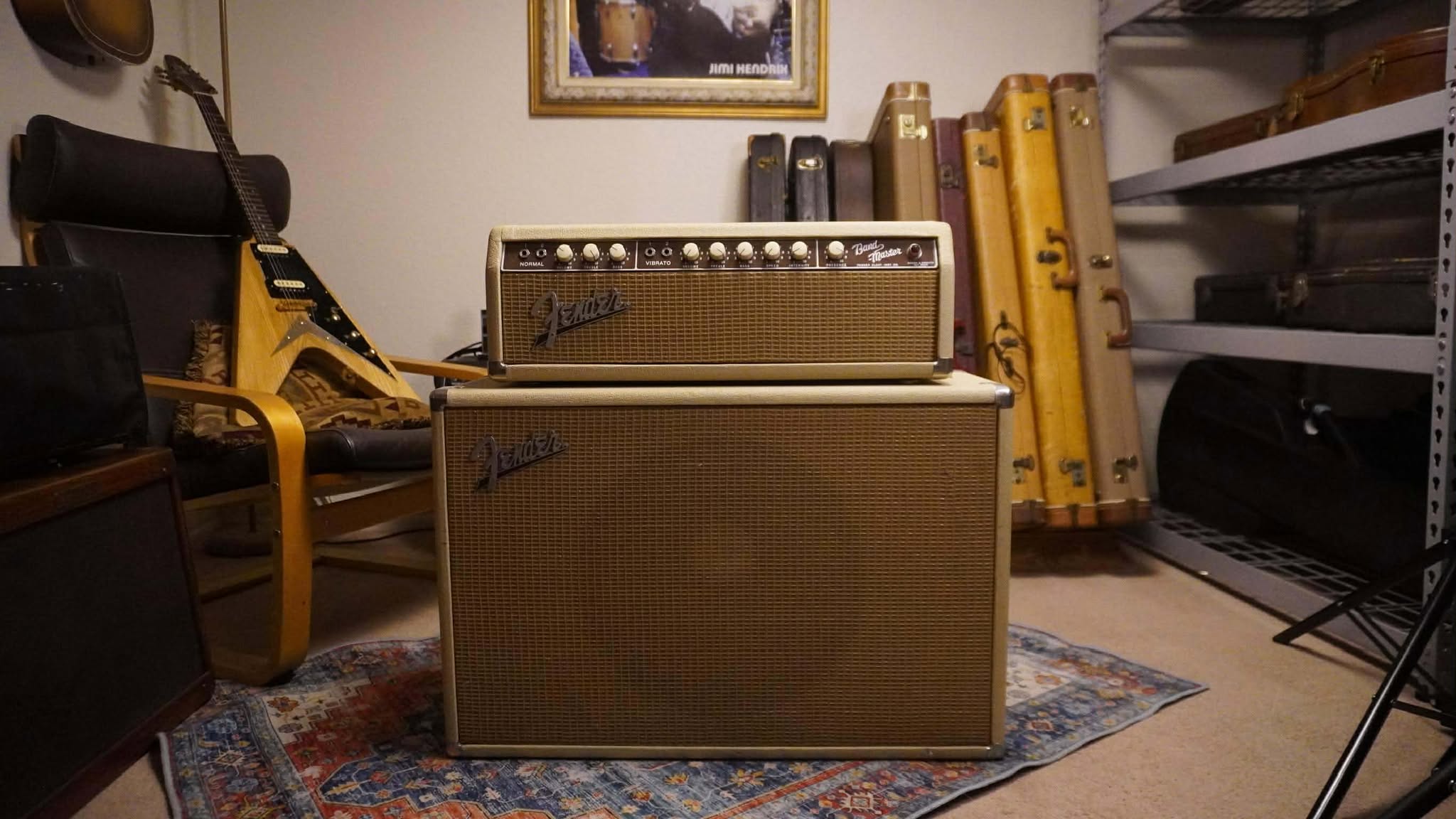
Fender Precision and Jazz basses, Gibson Thunderbirds, Rickenbacker 4001s—we actively seek quality bass guitars. The same applies to amplifiers, especially vintage tube amps from Fender, Marshall, and Vox.
Amp heads, cabinets, and combo units all qualify. Even non-working amps can have value for their transformers and components.
Vintage and Rare Stringed Instruments
Beyond guitars, we purchase mandolins, banjos, lap steels, and other stringed instruments—particularly vintage examples from respected makers. A 1920s Gibson mandolin or a pre-war National resonator guitar represents exactly the kind of instrument we specialize in.
Instruments in Any Condition
Condition affects value, but it doesn't disqualify your instrument from consideration. A beat-up 1959 Les Paul with buckle rash and worn frets still holds significant value. A cracked headstock on a vintage Martin doesn't mean it's worthless.
We evaluate instruments in all conditions—damaged, modified, non-functioning, or pristine.
Guitar Brands We Purchase
Certain brands consistently command collector interest and premium values.
Fender
Stratocasters, Telecasters, Jazzmasters, Jaguars, Precision Basses, Jazz Basses—Fender's classic designs remain among the most sought-after instruments in the vintage market. Pre-CBS Fenders, meaning those made before 1965, are especially valuable.
Custom colors like Lake Placid Blue, Candy Apple Red, and Sonic Blue add significant premiums over standard sunburst finishes.
Gibson
Les Paul Standards, SGs, ES-335s, Flying Vs, Explorers, Firebirds—Gibson's electric guitar lineup includes some of the most collectible instruments ever made. Vintage examples from the 1950s and 1960s hold strong value, with appreciation rates of 18% to 35% annually depending on condition.
Gibson acoustics like the J-45, Hummingbird, and Dove are equally desirable to collectors.
Martin
For acoustic guitars, Martin sets the standard. Models like the D-28, D-18, D-45, and various OM and 000 configurations have defined what a great acoustic guitar sounds like for over a century.
Pre-war Martins, meaning those made before 1946, occupy a special category due to their construction methods and materials.
Other Vintage and Collectible Brands
Beyond the major three, we actively purchase:
Gretsch: Hollow-body electrics like the White Falcon and Country Gentleman
Rickenbacker: 360s, 330s, and the iconic 4001 bass
Guild: Acoustic and electric models from the 1960s and 1970s
Epiphone: Vintage examples made before Gibson's acquisition
PRS: Modern collectible instruments, especially limited editions
Don't see your brand listed? Contact us anyway. Quality instruments from lesser-known makers can still hold significant value.
Where to Sell Musical Instruments Near Me
If you're searching for "where to sell instruments" or "sell music equipment near me," you've probably discovered several options. Each has trade-offs worth understanding.
Local Music Stores and Pawn Shops
The convenience factor is real—you walk in, get an offer, and walk out with cash. However, trade-in values at general music stores typically run well below actual market value. The store needs margin to resell, and most lack expertise in vintage instruments.
Pawn shops present similar challenges. They're buying based on what they think they can sell quickly, not what the instrument is actually worth to collectors.
Online Marketplaces Like Reverb and eBay
Selling directly to buyers through online platforms can yield higher prices, but you're taking on significant work: photographing, writing descriptions, answering questions, negotiating, packing, shipping, and handling any disputes.
Fees add up too. Reverb charges a 5% selling fee plus payment processing. eBay's fees run higher. And you're competing against thousands of other listings, which means your guitar might sit for months.
Consignment and Auction Services
Consignment means a store sells your instrument on your behalf and takes a commission—typically 20 to 40% of the sale price. You might wait months for a sale, and there's no guarantee it happens at all.
Auction houses work well for exceptional, museum-quality instruments, but combined buyer and seller fees often exceed 25 to 35%. For most guitars, the fees eat too much of the value.
Direct Buyers and Vintage Guitar Specialists
Direct buyers like Edgewater Guitars purchase instruments outright, paying immediately with no commissions or fees. The offer we make is the amount you receive.
Because we specialize in vintage guitars, we recognize value that generalist stores miss. A 1964 Stratocaster in Fiesta Red that a local shop might offer a few thousand dollars for could be worth significantly more to collectors who understand what they're looking at.
Selling Channel | Fees/Commissions | Payment Speed | Expertise Level |
|---|---|---|---|
Local Stores/Pawn Shops | Built into low offer | Immediate | General |
Online Marketplaces | 5-15% plus shipping | After sale + shipping | Self-assessed |
Consignment | 20-40% commission | Weeks to months | Varies |
Direct Vintage Buyers | None | Immediate | Specialized |
Why Sell Your Instruments to a Direct Buyer
Choosing a direct buyer offers several advantages over other selling methods.
No Fees, Commissions, or Listing Hassles
When we make an offer, that's your number. No percentage comes off the top, no listing fees accumulate while you wait, no payment processing charges reduce your payout.
Fair Market-Based Offers From Experts
Our valuations come from specialists who track the vintage guitar market daily. We know what comparable instruments sold for recently, what condition factors affected the price, and how your specific instrument compares.
Fast Payment Without Consignment Delays
Consignment can take months. Online listings might never sell. With a direct buyer, you know exactly when you're getting paid: as soon as you accept the offer.
White-Glove Service for Collections and Estates
Selling a single guitar is straightforward. Selling twenty guitars from a deceased relative's collection is a different challenge entirely.
White-glove service means we handle everything for larger sales. We travel to your location, evaluate each instrument, provide detailed documentation, manage logistics, and pay immediately.
How We Determine the Value of Your Instrument
Understanding how valuations work helps you evaluate any offer you receive.
Condition and Originality
Condition encompasses physical wear, functionality, and structural integrity. A guitar with light playing wear is worth more than one with heavy damage, though both can still be valuable.
Originality refers to whether parts are factory-original or have been replaced. A vintage guitar with all original parts—pickups, tuners, bridge, electronics—commands a premium over one with replacements. Even well-intentioned upgrades typically reduce collector value.
Rarity and Historical Significance
Limited production runs, unusual specifications, and historical connections all affect value. A standard sunburst Stratocaster is collectible; the same guitar in a rare custom color is significantly more so.
Instruments with documented connections to notable musicians or historical events occupy a special category. Provenance—the documented history of ownership—can dramatically increase value.
Current Market Demand and Comparable Sales
The vintage guitar market fluctuates based on collector interest, economic conditions, and cultural trends, with the market reaching USD 620.51 million in 2025 and continuing to grow. What a guitar sold for five years ago might not reflect today's value.
We track recent sales of comparable instruments to ensure our offers reflect current market conditions.
How You Get Paid When Selling Used Instruments
Payment flexibility matters. Different situations call for different methods.
Cash for In-Person Sales
For local transactions, cash works perfectly. You hand over the guitar, we hand over payment.
Certified Check or Wire Transfer
Larger transactions often use certified checks or wire transfers for security and documentation. Both provide traceable records.
Direct Deposit and PayPal
Electronic payment options offer convenience, especially for remote transactions. You choose what works best for your situation.
Sell Music Equipment Near Me in Ohio and the Midwest
Edgewater Guitars is based in Ohio, but we serve sellers throughout the Midwest region.
Cleveland
Our home base. In-person appointments are readily available, and we can often meet the same week you contact us.
Columbus
We travel to Columbus regularly for guitar purchases. Central Ohio sellers can expect quick scheduling and in-person evaluation.
Cincinnati
Southern Ohio is well within our service area. Cincinnati-area sellers receive the same in-person service as local clients.
Detroit, Pittsburgh, and Indianapolis
Our reach extends into Michigan, Pennsylvania, and Indiana. We travel to Detroit, Pittsburgh, Indianapolis, and surrounding areas for quality instruments.
Outside our primary service area? Contact us anyway. For valuable instruments, we arrange insured shipping with logistics handled on our end.
Get Your Free Guitar Valuation From Edgewater Guitars
Edgewater Guitars has been helping instrument owners throughout Ohio and the Midwest since 2002. Our team brings decades of combined experience specifically in vintage Fender, Gibson, and Martin guitars—the instruments that require specialized knowledge to evaluate properly.
Whether you're selling a single guitar or an entire collection, whether you're a player who knows exactly what you have or an heir who just discovered instruments in an estate, we provide the expertise and straightforward process you deserve.
Get your free valuation with no obligation. Call us at (440) 219-3607 or submit photos through our website.
Frequently Asked Questions About Selling Musical Gear
Do I need to clean or repair my instrument before selling it?
No—submit your instrument as-is. Cleaning or repairs aren't required and won't affect whether we make an offer. In fact, well-intentioned cleaning can sometimes reduce value on vintage instruments by removing desirable patina.
Can I sell a guitar that has been modified or has replaced parts?
Yes, we purchase modified instruments. However, originality is a factor in valuation, so modifications typically affect the offer amount.
How long does the selling process take from first contact to payment?
Most transactions complete within one to three days. After you submit information, we typically respond with a valuation within 24 to 48 hours. Once you accept an offer, payment happens immediately.
Does Edgewater Guitars buy instruments that are not functioning or have significant damage?
Yes, we consider non-working and damaged instruments. Condition affects value but doesn't disqualify your gear from receiving an offer.
What information and photos should I prepare before requesting a valuation?
Gather the brand, model, approximate year, and clear photos of the front, back, headstock, serial number, and any damage or modifications.
Will Edgewater Guitars travel to pick up instruments or large collections?
Yes, we travel throughout Ohio and the Midwest for collections, estates, and valuable individual instruments. For remote sellers outside our travel area, we arrange insured shipping at our expense.
Is there a minimum instrument value required for Edgewater Guitars to make an offer?
We evaluate instruments at various price points. Contact us with details, and we'll let you know if we can make an offer.
What happens if I decide not to accept the offer from Edgewater Guitars?
There's no obligation whatsoever. If you decline, there are no fees, no consequences, and you keep your instrument.