DATE :
Guitar Consignment Services at Edgewater Guitars
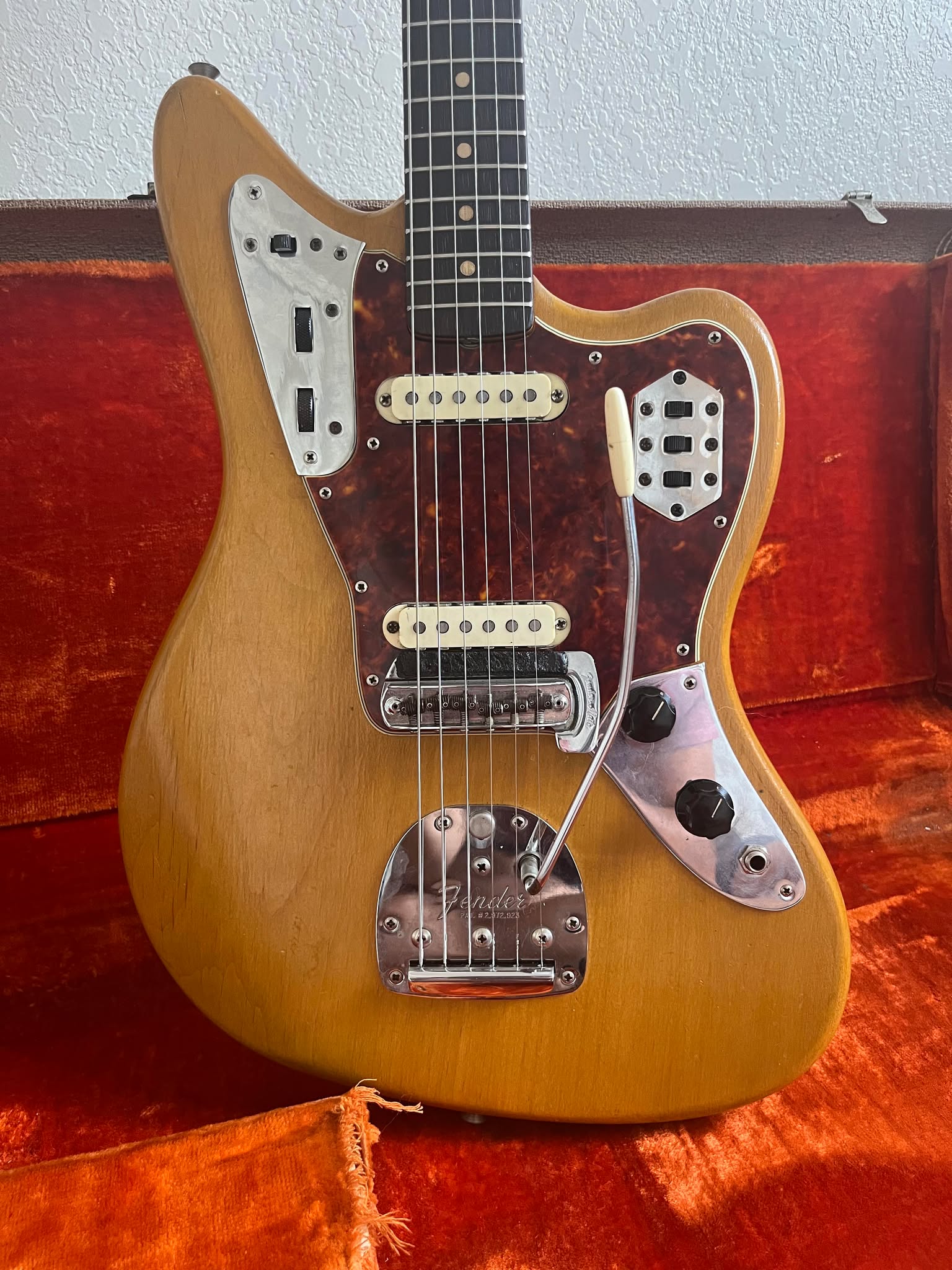
Guitar consignment is when you leave your instrument with a shop, they sell it on your behalf, and you split the proceeds—minus their commission. It's a common option for sellers who want access to a shop's customer base without handling the sale themselves.
But consignment isn't the only path forward, and it's not always the best one. This guide breaks down how consignment works, what fees to expect, and how it compares to selling your guitar directly for immediate cash.
What is guitar consignment
Guitar consignment is an arrangement where you leave your instrument with a shop, and the shop sells it on your behalf. Once a buyer purchases the guitar, the shop takes a percentage of the sale price—called a commission—and pays you the remainder. You retain ownership of the guitar until it sells, which means you also carry the risk during that period.
The appeal of consignment is access. Consignment shops often have established customer bases, showroom traffic, and online reach that individual sellers lack. A shop specializing in vintage instruments might connect your 1965 Fender Stratocaster with collectors you'd never find on your own, particularly as 65% of high-value vintage guitar transactionsare initiated by collectors focused on asset appreciation rather than performance use.
However, consignment comes with trade-offs: waiting for payment, paying commissions, and trusting someone else with your guitar. For many sellers—especially those managing estates or facing time pressure—a direct cash sale offers a faster, simpler path forward.
How guitar consignment works
The consignment process follows a predictable sequence, though details vary from shop to shop.
You deliver your guitar to the consignment shop
The process begins when you bring or ship your instrument to the shop. Staff will inspect the guitar, noting condition, wear, and features that affect pricing. They'll photograph it for listings and ask you to sign a consignment agreement outlining terms, fees, and the listing period.
At this point, you're handing over physical possession—but not ownership. The instrument remains yours until a sale closes.
The shop lists and markets your instrument
Once the guitar is in inventory, the shop handles the selling work. They'll set a price (often in consultation with you), write a description, and post the listing on their website, in their showroom, or both. Some shops also list on third-party platforms like Reverb.
The trade-off here is control. You're relying on the shop's expertise and marketing reach, but you typically have limited say in how aggressively they promote your specific guitar. A shop with hundreds of instruments may not prioritize yours.
The shop handles the sale and collects a commission
When a buyer purchases your guitar, the shop manages the entire transaction—payment processing, shipping or in-store pickup, and buyer questions. After the sale closes, they deduct their commission from the final price.
Commission rates vary widely depending on the guitar's value and the shop's policies. Some shops charge 15–20% on high-value guitars, while others take 25–40% or more.
You receive payment after your guitar sells
Only after the sale completes do you receive your portion of the proceeds. Payment typically arrives via check or direct deposit within a few days to a few weeks.
The key word is after. If your guitar sits unsold for three months—or six, or longer—you're waiting that entire time with no payment and no guitar in your possession.
Typical consignment rates and fees for guitars
Before committing to consignment, understanding the full cost structure helps you calculate your actual take-home amount.
Commission percentages
The commission is the shop's primary fee—a percentage of the final sale price. Rates typically break down by value:
Guitars under $3,000: Commissions often range from 20–25%
Guitars $3,000–$50,000: Rates may drop to 15–20%
Guitars over $50,000: Some shops offer reduced rates of 10–15%
On a guitar that sells for $5,000 with a 20% commission, you'd receive $4,000. That $1,000 difference is significant—especially compared to a direct sale with no commission at all.
Listing fees and administrative costs
Some consignment shops charge additional fees beyond the commission:
Listing fee: A one-time charge (often $100–$200) to photograph and list your instrument, due whether or not it sells
Storage fee: If your guitar remains unsold beyond a certain period, some shops charge monthly storage
Return shipping: If you decide to withdraw your guitar or it doesn't sell, you may pay to have it shipped back
A guitar that sells for $2,000 with a 25% commission and a $200 listing fee leaves you with $1,300—35% less than the sale price.
Minimum consignment periods and price adjustments
Most consignment agreements lock you into a minimum listing period, typically 60–90 days. During this time, you can't withdraw your guitar without penalty.
If the guitar doesn't sell within the initial period, the shop may request price reductions to attract buyers. You might agree to a $4,000 listing price, only to have the shop suggest dropping to $3,200 after two months. Each reduction cuts into your eventual payout.
Guitar consignment vs selling directly for cash
The central question for most sellers is whether consignment's potential upside outweighs its costs and uncertainties.
Feature | Consignment | Direct cash sale |
|---|---|---|
Payment timeline | Weeks or months; only after sale | Immediate |
Fees and commissions | 15–40% commission plus potential fees | None; one cash price |
Risk level | Risk of damage, theft, or no sale | Risk transfers to buyer immediately |
Control over price | Limited; shop may request reductions | Full control to accept or reject offer |
Best for | Patient sellers with high-value items | Sellers wanting fast, guaranteed cash |
Speed of payment
With consignment, payment depends entirely on finding a buyer. That could take weeks, months, or never happen at all. A direct sale means you walk away with cash the same day you accept an offer.
For estate situations, financial needs, or anyone who simply wants certainty, the speed difference matters.
Net payout after fees
Consignment's commission structure means your take-home amount is always less than the sale price. On a $6,000 sale with a 20% commission, you net $4,800. Add a listing fee, and you're down further.
Direct buyers offer one price with no hidden costs. The offer you accept is the amount you receive—no commissions, no fees, no surprises.
Risk and control over the sale
While your guitar sits in a consignment shop, you bear the risk. If it's damaged, stolen, or the shop goes out of business, you may face significant losses. Insurance coverage varies, and not all shops provide adequate protection.
A direct sale transfers ownership and risk immediately. Once you accept payment, the guitar is the buyer's responsibility.
Which option fits your situation
Consignment may work if:
You have a rare or highly collectible instrument with strong market demand
You're not in a hurry and can wait several months for the right buyer
You've already received direct offers that feel too low and want to test the market
Direct sale typically works better if:
You want guaranteed payment now
You prefer to avoid fees, commissions, and uncertainty
You're managing an estate or facing time pressure
You'd rather not worry about your guitar sitting in someone else's shop
When guitar consignment makes sense
Consignment isn't inherently bad—it's a tool that works better in some situations than others. You might consider it if you have a rare or highly collectible instrument, if you're not in a hurry and can comfortably wait six months or longer, or if you've received direct offers that seem low and want to test the open market.
Even in favorable situations, weigh the commission costs carefully. A consignment sale at $8,000 with a 20% commission nets you $6,400—potentially less than a direct offer of $6,800 with no fees.
Why Edgewater Guitars offers direct purchase instead
At Edgewater Guitars, we've built our business around a different approach: sellers shouldn't have to wait for payment, pay commissions, or worry about their instrument sitting unsold in someone else's shop.
We evaluate your guitar, make a fair cash offer based on current market value, and pay you immediately if you accept. No commissions. No listing fees. No waiting.
This model works because we specialize in vintage and collectible guitars—Fender, Gibson, Martin, and other quality instruments. Our expertise allows us to recognize value that general music stores often miss, which means we can offer more while still making the transaction work for both sides.
How to sell your guitar to Edgewater Guitars
Our process is designed to be simple, fast, and transparent.
1. Share details and photos of your guitar
Start by telling us about your instrument. You can submit information through our online form, text, or email. Include the brand, model, year (if known), and current condition. Clear photos of the front, back, headstock, and any serial numbers help us provide an accurate assessment.
2. Receive your free valuation and cash offer
Our vintage guitar specialists review your submission and assess your instrument based on current market conditions. We consider factors like age, rarity, condition, and originality—the same elements that drive collector interest.
You'll receive a free, no-obligation cash offer along with an explanation of how we arrived at that number.
3. Accept the offer and get paid immediately
If the offer works for you, we move quickly. Payment options include cash on the spot, certified check, or direct deposit—whatever's most convenient. For valuable guitars, we travel to you throughout Ohio and neighboring states.
There's no waiting for a buyer, no commission deducted, and no fees. The offer you accept is the amount you receive.
Areas Edgewater Guitars serves for guitar buying
We work with sellers across a broad geographic region.
Ohio and Midwest coverage
Our home base is Ohio, and we serve major metros throughout the region: Cleveland, Columbus, Cincinnati, Detroit, Pittsburgh, and Indianapolis. For significant guitars, we travel directly to you—no need to ship or transport valuable instruments yourself.
Nationwide service for vintage and rare guitars
If you're outside our primary service area but have a vintage or rare guitar, we still want to hear from you. We work with remote sellers nationwide through secure, insured shipping arrangements. For high-value instruments, we handle all logistics and cover shipping costs.
What sellers say about working with Edgewater Guitars
Families and collectors throughout the Midwest have trusted us with their guitars since 2002. Sellers consistently mention fair offers that reflect true market conditions, fast payment without weeks of waiting, expert knowledge of vintage instruments, and a straightforward process from first contact to payment.
Get your free guitar valuation from Edgewater today
If you're considering consignment—or any other selling option—start by understanding what your guitar is actually worth. Edgewater Guitars offers free, no-obligation valuations for vintage, rare, and quality used instruments.
Call us at (440) 219-3607 or submit your guitar details online. We respond quickly, and there's never any pressure.
FAQs about guitar consignment
What happens if my guitar does not sell on consignment?
If your guitar doesn't sell within the consignment period, most shops will return it to you. However, you may be responsible for return shipping costs or storage fees that accumulated during the listing period.
Can I set a minimum sale price when I consign my guitar?
Yes, most consignment agreements allow you to establish a reserve or minimum price below which the shop won't sell. If your guitar doesn't attract buyers at that price, the shop may request reductions—and you'll decide whether to accept lower offers or withdraw the instrument.
Is my guitar insured while it is on consignment?
Insurance coverage varies between shops. Some include basic coverage in their consignment agreement, while others require you to maintain your own policy. Always confirm insurance details in writing before consigning.
How do I know if my vintage guitar is valuable enough to sell?
A professional appraisal from a vintage guitar specialist is the most reliable way to understand your instrument's true market value. Key factors include brand, age, model, condition, originality, and rarity. Contact Edgewater Guitars with photos and details to learn what your guitar is worth.
Does Guitar Center buy guitars for cash?
Yes, Guitar Center purchases used guitars for cash through their trade-in program. However, their offers are typically based on trade-in values and may be lower than what a specialized vintage buyer can offer.
What is the best way to sell a vintage guitar?
The best method depends on your priorities. Consignment can potentially maximize your price if you have time to wait and your guitar has strong collector demand. Selling directly to a specialist buyer provides immediate payment without fees or commissions—often the better choice for sellers who value certainty and speed.
Can I sell a guitar that has been modified or needs repair?
Yes, many buyers—including Edgewater Guitars—purchase guitars in any condition. Modifications and repair needs will affect the final valuation, but they don't disqualify your instrument from sale.