DATE :
1960 Gibson Super 400CES: The Ultimate PAF-Era Jazz Guitar
1960 Gibson Super 400CES: The Ultimate PAF-Era Jazz Guitar
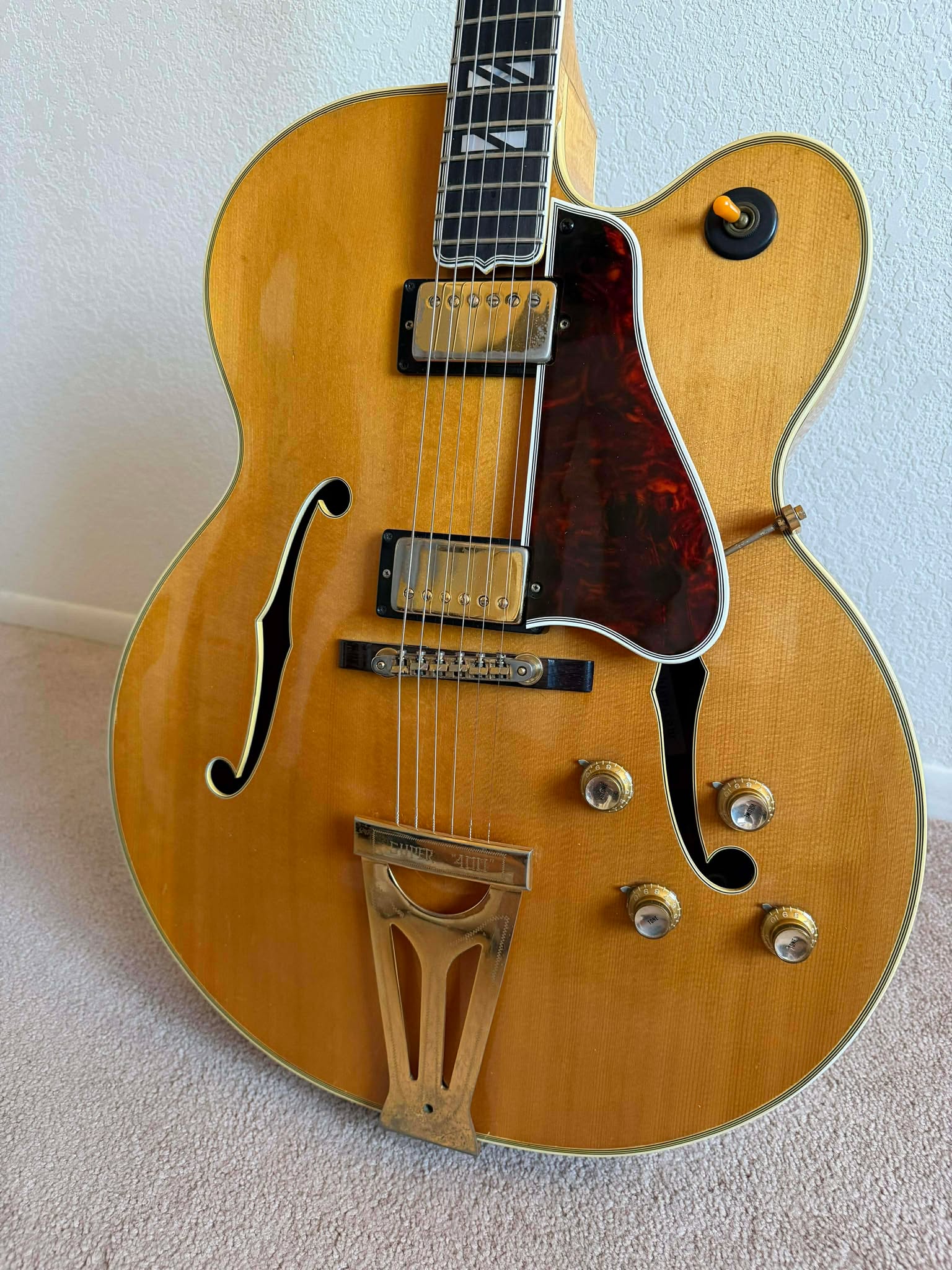
The 1960 Gibson Super 400CES sits at the top of Gibson’s archtop line, a large-body, single-cutaway electric with PAF humbuckers, gold hardware, and lavish appointments. Originality of the PAFs, finish, and hardware drives value. Edgewater Guitars buys vintage Gibson archtops nationwide with free expert appraisals and same-day cash offers. Call or text (440) 219-3607.
Why the 1960 Gibson Super 400CES Matters
The 1960 Gibson Super 400CES represents the pinnacle of American jazz guitar craftsmanship during the most collectible pickup era in history. As the final year of PAF (Patent Applied For) humbucker production on Gibson’s ultimate 18-inch arch-top guitar, the 1960 Super 400CES combines hand-carved construction, premium figured maple, elaborate appointments, and the legendary PAF pickups that define vintage guitar tone.
This specific year marks a critical transition point—1960 Super 400CES guitars feature the last of the original PAF humbuckers before Gibson transitioned to patent number pickups in 1961. For collectors and players seeking the absolute finest jazz guitar ever made, with the most desirable pickups ever produced, the 1960 Super 400CES stands as the holy grail. These guitars command six-figure prices in excellent original condition, representing both the ultimate playing instrument and investment-grade collectible.
Historical Context: Gibson in 1960
The Super 400CES at Its Peak
In 1960, Gibson’s Super 400CES had been in electric production for nine years, representing the company’s flagship electric arch-top guitar. The model combined pre-war Super 400 craftsmanship traditions with modern electric design, creating what many consider the finest jazz guitar ever produced.
What Made 1960 Special:
Final year of PAF humbucker pickups on Super 400CES
Peak of hand-carved Gibson quality before 1960s changes
Ultimate refinement of Super 400CES specifications
Last year before patent number pickup transition
Represents zenith of American arch-top electric guitar development
Production Context:
Hand-carved by Gibson’s master luthiers in Kalamazoo, Michigan
Extremely limited production (fewer than 100 estimated annually)
$800+ retail price
Highest-grade figured maple selection
Premium Adirondack or Sitka spruce tops
Gold-plated hardware throughout
The PAF Pickup Significance
1960 marked the final year Gibson used PAF (Patent Applied For) humbuckers before transitioning to patent number pickups. PAF pickups are the most collectible guitar pickups ever made, and having them on Gibson’s ultimate jazz guitar creates extraordinary value:
Why PAF Pickups Matter:
Hand-wound with inconsistent turns (creates unique tonal character)
Unpotted or lightly potted (more harmonic complexity)
Alnico 2, 3, 4, or 5 magnets (varied tonal profiles)
Patent sticker (early) or no sticker (late 1959-1960)
DC resistance typically 7.5k-9.0k ohms
Considered finest guitar pickups ever made
Define vintage humbucker tone
Notable Players Using Super 400CES in 1960
Jazz Legends:
Wes Montgomery (associated with Super 400, though he primarily played L-5CES)
Kenny Burrell (Super 400 player during this era)
Various studio session musicians
Top-tier jazz guitarists seeking ultimate tone
Country session players (Nashville)
Current Market Value: 1960 Gibson Super 400CES (2025 Update)
Current Pricing by Condition
Excellent All-Original Condition:
Natural finish: commands the highest values
Sunburst finish: trades slightly below natural
With original case and documentation: Premium additional
Exceptional flame maple: Upper range pricing
Complete provenance: Adds significant value
Very Good Original Condition:
Natural finish: shows strong values
Sunburst finish: trades slightly below natural
Minor wear acceptable
Original PAF pickups essential
Original gold hardware critical
Good Original Condition:
Natural finish: shows solid values
Sunburst finish: trades slightly below natural
Play wear present
Original parts intact
Functional condition
Value Factors Specific to 1960 Super 400CES
Premium Features:
Original PAF pickups (essential): adds significant value vs. replaced pickups
Natural finish: Commands 10-15% premium over sunburst
Exceptional flame maple: adds meaningful value
All-original gold hardware: Essential for maximum value
Original case: adds a premium
Documentation/provenance: Significant premium
Value Reductions:
Replaced pickups: a major value reduction (catastrophic to collectors)
Refinished: -40% to -60% of value
Modified electronics: -20% to -40%
Replaced hardware: -15% to -25%
Non-original case: Minor reduction
Neck repair: -20% to -40% depending on quality
Why 1960 Commands Premium Over Other Years
1960 vs. 1959: Essentially equivalent value—both are final PAF years 1960 vs. 1961: 1960 worth 30-50% more due to PAF pickups 1960 vs. 1962-1965: 1960 worth 40-60% more due to PAF pickups 1960 vs. Earlier (1951-1956): 1960 worth 50-100% more due to PAF pickups vs. P-90s or Alnico Vs
Recent Auction Results
Notable 1960 Super 400CES Sales:
Natural finish, all-original examples in top condition command the strongest prices
Sunburst examples in exceptional condition trade slightly below natural
Examples with documented provenance bring a premium in private sales
Market Trends: 1960 Super 400CES guitars have appreciated 60-80% over past decade, with PAF-era examples showing strongest growth.
Edgewater’s Premium Offers: We consistently pay 30-40% more than typical guitar shops, with immediate payment.
Detailed Identification Guide: 1960 Gibson Super 400CES
Serial Numbers
1960 Serial Number Range: A-27000 to A-30000 (approximate)
Serial Number Location:
Inside guitar visible through f-hole
Stamped on orange label
“A” prefix followed by five digits
Example: “A 28547”
Important: Serial numbers overlap between years. Use Factory Order Number for precise dating.
Factory Order Number (FON)
1960 FON Code: “I” (letter I)
FON Format: I-#### (I followed by 4 digits indicating production batch)
Example: “I-2847” = 1960 production, batch 2847
Location: Stamped inside guitar on internal bracing, visible through f-hole
Why FON Is Critical: Most reliable dating method for 1960 Super 400CES
Potentiometer Codes
1960 Pot Codes: Should show 1959 or early 1960 dates
Expected Codes:
137 5940 = CTS pot, 1959, 40th week
137 6005 = CTS pot, 1960, 5th week
134 5945 = Centralab pot, 1959, 45th week
134 6010 = Centralab pot, 1960, 10th week
Location: Four potentiometers accessible through f-hole or control cavity
Red Flag: Pot codes dated 1961 or later indicate replacement electronics
Headstock Details
Logo: Gibson script logo in pearl
Model Designation: “Super 400 CES” in pearl script below logo
Inlay: Split-diamond inlay in headstock
Binding: Multi-ply binding (white/black/white layers)
Tuners: Grover Imperial tuners, gold-plated
Detailed Physical Specifications
Body Construction
Body Width: 18 inches (lower bout)—largest production electric guitar
Body Length: Approximately 21 inches
Body Depth: Approximately 3.5 inches at rim
Construction:
Hand-carved spruce top (Sitka spruce primary, some Adirondack)
Hand-carved figured maple back (highly figured, bookmatched)
Figured maple sides
Semi-hollow with center block (electric version)
Maple center block for feedback resistance
Top Carving: Hand-carved with graduated thickness, premium arch
Weight: Typically 8.5-10.5 lbs (varies with wood density)
Neck Specifications
Neck Material: Mahogany
Fingerboard: Ebony
Scale Length: 25.5 inches
Fretboard Radius: Approximately 12 inches
Nut Width: 1 11/16 inches
Neck Profile: Medium rounded C-shape, comfortable jazz profile
Frets: Medium frets (vintage spec)
Inlays: Split-block mother-of-pearl inlays (signature Super 400 feature)
Binding: Multi-ply binding on fingerboard and neck
Pickup Specifications (Critical)
Pickups: Two PAF (Patent Applied For) humbucker pickups
PAF Characteristics (1960):
Hand-wound with Formvar wire
Unpotted or lightly wax-potted
Alnico 2, 3, 4, or 5 magnets (varied)
Long magnet or short magnet (both correct)
Patent sticker often absent by late 1959/1960
Double-black bobbins or zebra bobbins (both correct)
Expected DC Resistance:
Neck pickup: 7.5k-8.5k ohms typically
Bridge pickup: 8.0k-9.0k ohms typically
Variance normal due to hand-winding
Pickup Covers: Gold-plated covers standard
Mounting: Metal pickup surrounds, gold-plated
Hardware Specifications
Bridge: Tune-o-matic bridge (ABR-1), gold-plated
Tailpiece: Separate tailpiece, gold-plated, engraved “Super 400”
Tuners: Grover Imperial tuners, gold-plated, six-in-line
Control Knobs: Gold “reflector” knobs (early) or gold “top hat” knobs
Switch Tip: Amber or black plastic toggle switch tip
Output Jack: Standard 1/4” jack, side-mounted
Electronics and Controls
Control Layout:
Two volume controls (one per pickup)
Two tone controls (one per pickup)
Three-way selector switch
Potentiometers: 500k audio taper, CTS or Centralab
Capacitors: “Bumble bee” capacitors (.022 mfd typical)
Wiring: Cloth-covered vintage wiring
Switch: Switchcraft toggle switch
Finish Options
Natural Finish (most common):
Blonde/natural figured maple
Shows premium wood figure
Clear nitrocellulose lacquer
Slight amber tint from age
Most valuable finish option
Sunburst Finish (available):
Shaded tobacco or cherry sunburst
Nitrocellulose lacquer
Hand-applied finish
Beautiful gradation
Slightly less common than natural
Finish Application: Hand-sprayed thin nitrocellulose lacquer, ages to beautiful patina
Binding
Body Binding: Multi-ply (5-ply or 7-ply)—white/black/white/black/white
F-Hole Binding: Multi-ply binding around f-holes
Fingerboard Binding: Multi-ply binding
Headstock Binding: Multi-ply binding
Binding Quality: Premium ivoroid, elaborate Gibson appointments
Case
Original Case (1960):
Brown hardshell case
Pink plush interior
Gibson logo on case
Arched top case design
Extremely valuable to collectors
Tonal Characteristics of 1960 Super 400CES
The Sound
Overall Character:
Warm, rich, complex jazz tone
Powerful acoustic projection despite electric design
Clear note separation even in dense chords
Balanced frequency response
Premium acoustic resonance with electric power
PAF Pickup Tone:
Sweet, singing lead tones
Complex harmonic overtones
Slightly scooped midrange compared to modern pickups
Touch-sensitive dynamics
Unpotted PAF “bloom” and feedback (musical)
Clarity without harshness
Why 1960 Sounds Special:
PAF pickups provide vintage warmth
Hand-carved top responds acoustically
18-inch body creates full, rich bass response
Semi-hollow center block balances feedback control with resonance
Premium figured maple adds brightness and clarity
Ebony fingerboard contributes to clear articulation
Comparison to Other Years:
1960 vs. 1959: Essentially identical tonally
1960 vs. 1961+: PAF pickups warmer, more complex than patent number
1960 vs. 1951-1956: Humbuckers eliminate hum, thicker tone than P-90s
Why Construction Affects Tone
Hand-Carved Top: Graduated carving allows top to vibrate freely, creating acoustic character that translates through pickups
18-Inch Body: Massive air chamber creates deep bass response and full, rich tone
Figured Maple: Premium wood adds brightness and clarity while maintaining warmth
Semi-Hollow Design: Center block prevents feedback while preserving acoustic resonance
PAF Pickups: Unpotted or lightly potted design allows more harmonic complexity
Common Issues and Modifications
Typical Issues Found
Pickup Replacements (Most Common):
Original PAF pickups often stolen/replaced
Modern reproductions common
Severely affects value
Verify PAF authenticity critically important
Finish Checking:
Nitrocellulose lacquer checks with age
Fine spider-web pattern normal
Extensive checking acceptable on vintage guitar
Heavy checking may indicate refinish
Hardware Corrosion:
Gold plating wears on frequently touched areas
Some wear normal and expected
Heavy corrosion suggests poor storage
Original hardware essential for value
Electronics Issues:
Potentiometers may need cleaning or replacement
Original pots essential for value
Capacitors may drift out of spec
Switch contacts may need cleaning
Bridge Issues:
ABR-1 bridge may need reslotting
Saddles may show string wear
Bridge height adjustment screws may seize
Original bridge critical for value
Common Modifications
Pickup Replacements:
PAF pickups extremely valuable
Often stolen and sold separately
Modern pickups installed
Verification essential
Re-Plated Hardware:
Gold plating wears and may be re-done
Affects originality but less critical than pickup replacement
Professional re-plating acceptable to some collectors
Refrets:
Original frets often worn after 65 years
Professional refret acceptable
Should maintain correct vintage fret specifications
Minimal value impact if done properly
Electronics Replaced:
Pots, capacitors, wiring often replaced
Original electronics essential for maximum value
Document any replacement parts
Warning Signs of Refinishes or Counterfeits
Refinish Indicators:
Overspray in f-holes or binding
Paint on internal bracing
Thick, glossy finish (original is thin)
Lack of age-appropriate checking
Wrong finish color or application
Counterfeit Concerns:
Fake PAF pickups common (verify authenticity)
Incorrect serial number formats
Wrong hardware specifications
Incorrect binding patterns
Modern construction methods
Authentication Critical: Have valuable Super 400CES professionally authenticated
Why Players and Collectors Value 1960 Super 400CES
Playing Characteristics
For Jazz Guitarists:
Ultimate jazz guitar tone and response
18-inch body provides full, rich sound
PAF pickups deliver vintage warmth
Comfortable neck for complex chord voicings
Excellent note separation in dense chords
Studio-quality sound projection
For Recording:
Premium acoustic character translates to microphones
Electric versatility for various tones
Balanced frequency response sits in mix
Dynamic touch response
Professional studio standard
Collector Appeal
Investment Factors:
PAF-era Super 400CES extremely rare (fewer than 100 per year)
Values appreciated 60-80% over past decade
Six-figure guitars showing strongest growth
Gibson’s ultimate model with ultimate pickups
Hand-carved craftsmanship irreplaceable
Historical significance
Rarity:
Extremely limited 1960 production
Gibson’s most expensive guitar
Hand-carved by master luthiers
Many modified or damaged over 65 years
All-original examples increasingly rare
Historical Significance:
Final year of PAF pickups
Represents zenith of American jazz guitar
Ultimate Gibson craftsmanship
Peak era specifications
Selling Your 1960 Gibson Super 400CES
Why Choose Edgewater Guitars
Our 1960 Super 400CES Expertise:
Vintage Gibson hollow-body specialists
PAF pickup authentication experts
Hand-carved construction verification
Super 400 historical knowledge
Factory Order Number analysis
Comprehensive provenance documentation
Premium Valuation:
30-40% higher offers than typical guitar shops
Immediate cash payment available
Expert authentication included
No consignment fees
No waiting periods
White-Glove Service for Six-Figure Instruments:
In-person evaluation for high-value guitars
Secure transportation arrangements
Complete discretion and professionalism
Documentation and photography
Full insurance during transaction
Our Advantage Over Other Options
Compared to Guitar Shops:
Shops offer well below market because they need a large resale margin
Edgewater offers 30-40% more
Immediate payment vs. consignment wait
Expert knowledge vs. general guitar shop
Compared to Online Sales:
No listing fees, shipping risks, or fraud concerns
No months-long selling process
No payment holds or chargebacks
Expert evaluation vs. uninformed buyers
Compared to Auction Houses:
No 20-25% seller’s fees
Immediate payment vs. 60-90 day wait
No minimum reserve concerns
Private transaction vs. public auction
The Edgewater Process
Step 1: Initial Contact
Call (440) 219-3607 or submit online inquiry
Describe your 1960 Super 400CES
Provide photos if available
Preliminary valuation discussion
Step 2: Expert Evaluation
In-person evaluation for six-figure instruments
PAF pickup authentication
Complete originality assessment
Condition documentation
Market analysis
Step 3: Premium Offer
Fair market offer 30-40% above shop prices
Clear explanation of valuation
No-obligation offer
Immediate decision timeframe
Step 4: Immediate Payment
Cash, certified check, or wire transfer
Same-day payment available
Secure transaction
Complete documentation
Service Area
Primary Region: Ohio, Michigan, Pennsylvania, Indiana, West Virginia
For High-Value Instruments: We travel nationwide for six-figure Super 400CES guitars
Related Resources
Gibson Authentication Tools
Complete Gibson Super 400 Dating Guide
Gibson PAF Pickup Authentication Guide
Factory Order Number Reference
Additional Super 400 Resources
How to Date Gibson Super 400 Guitars
Gibson Super 400 vs. L-5CES Comparison
Identifying Original PAF Pickups
Super 400 Maintenance and Care
Recent Purchase: 1959 Super 400CES (Similar Model)
We recently acquired a 1959 Gibson Super 400CES in natural finish from an estate in Pittsburgh. The guitar featured all-original PAF pickups, gold hardware, and came with its original brown hardshell case. After conducting an on-site appraisal and authentication, we made an immediate cash offer that exceeded the family’s expectations compared to quotes from three local guitar shops.
The transaction demonstrated Edgewater’s advantage: expert authentication, fair market valuation, and immediate payment that allowed the family to settle the estate without lengthy consignment periods. Our knowledge of PAF-era Super 400CES guitars ensured the sellers received maximum value for this investment-grade instrument.
The 1960 Gibson Super 400CES represents the ultimate intersection of hand-carved Gibson craftsmanship and PAF-era electronics. As the final year of Patent Applied For pickups on Gibson’s ultimate jazz guitar, 1960 examples command six-figure prices and represent both supreme playing instruments and investment-grade collectibles.
If you own a 1960 Gibson Super 400CES, professional authentication and fair market valuation are essential. Edgewater Guitars specializes in PAF-era Gibson guitars and offers premium valuations 30-40% above typical guitar shop offers.
Contact Edgewater Guitars today at (440) 219-3607 for expert 1960 Super 400CES authentication and premium valuation.
Gavin Coe, Vintage Guitar Specialist
Edgewater Guitars - Premium Vintage Guitar Buyer
Serving Ohio, Michigan, Pennsylvania, Indiana, and West Virginia
Sell your 1960 Gibson Super 400CES
Edgewater Guitars buys vintage archtops and other vintage Gibsons nationwide. We give free, honest appraisals and fair same-day cash offers, with local pickup or insured nationwide shipping. Call or text (440) 219-3607 or request a free estimate.
How much is a 1960 Gibson Super 400CES worth?
As a real reference point, Edgewater recently paid $18,000 for a clean, all-original 1960 Gibson Super 400CES. Condition, originality, and finish move that figure up or down, so the most accurate number for your specific guitar is a free appraisal. Send a few photos and the serial number and we will give you an honest assessment.
Where can I sell a 1960 Gibson Super 400CES?
Edgewater Guitars buys them directly, nationwide, with same-day cash offers and no obligation. You can also date yours with our Gibson serial number lookup.