DATE :
How Much Is My Old Guitar Worth? Vintage Guitar Value Factors Explained
How Much Is My Old Guitar Worth? Vintage Guitar Value Factors Explained
The Question Every Guitar Owner Asks
You're holding an old guitar—maybe inherited from a family member, discovered in an attic, or purchased years ago—and you need to know: What is this actually worth?
This question brings guitar owners from across Ohio, Michigan, Pennsylvania, and neighboring states to Edgewater Guitars every week. They've identified what they have (a 1965 Fender Stratocaster, a 1958 Gibson J-45, a 1937 Martin D-28), but understanding its actual market value remains a mystery. Online searches return wildly different numbers. One website suggests their guitar is worth a modest amount, another claims it's extraordinarily valuable, and dealer quotes vary by thousands of dollars.
The challenge: vintage guitar values aren't determined by simple formulas. Unlike cars with Kelley Blue Book values based primarily on year, make, and mileage, guitar values depend on dozens of interconnected factors. Two guitars that look identical to non-experts—same brand, same model, same year—can occupy completely different value categories based on subtle details invisible to the untrained eye.
This comprehensive guide explains exactly what determines vintage guitar values, helping you understand where your guitar stands in the collector market. Whether you own a potentially valuable pre-war Martin, a classic 1960s Fender, or a vintage Gibson, you'll learn which factors drive value, which details matter most, and how to get accurate professional valuation.
Understanding the Vintage Guitar Market
Before examining specific value factors, understanding how the vintage guitar market works helps contextualize what drives prices:
The Collector vs. Player Markets
Vintage guitars occupy two overlapping markets:
Collector Market:
Values guitars as historical artifacts
Prioritizes originality above all else
Age-appropriate wear acceptable, modifications problematic
Willing to pay premium for all-original examples
Documentation and provenance matter significantly
Rarity and historical significance drive demand
Player Market:
Values guitars as functional musical instruments
Prioritizes playability and tone
Modifications for improved playability acceptable
Less concerned with complete originality
Condition matters more than pure authenticity
Practical utility drives demand
The Overlap: The most valuable vintage guitars serve both markets—collector-grade instruments that also play exceptionally well. Pre-CBS Fender Stratocasters, 1950s Gibson Les Pauls, and pre-war Martin dreadnoughts exemplify this sweet spot.
What Drives Market Values
Supply and Demand Fundamentals: Like any market, vintage guitar values reflect supply and demand:
Fixed Supply: No more 1959 Gibson Les Pauls will ever be made. No additional 1936 Martin D-28s can be manufactured. The supply is absolutely finite and actually shrinks as guitars are damaged or destroyed.
Growing Demand: Baby boomers with significant wealth seek guitars from their youth. Younger collectors recognize vintage quality. Investors view guitars as alternative assets. Musicians value authentic vintage tone.
Condition Scarcity: While a certain number of 1962 Fender Stratocasters were made, pristine all-original examples become increasingly rare as time passes. Every year, more guitars are modified, damaged, or refinished, further reducing the pool of collector-grade instruments.
Why Values Seem Inconsistent
Common Confusion Sources:
Asking Prices vs. Actual Sales: Online listings show what sellers want, not what guitars actually sell for. A guitar listed for a high price that sits unsold for months doesn't establish market value.
Condition Differences: Two "1964 Fender Telecasters" might differ vastly in condition, originality, and features—yet casual observers see them as identical, creating confusion when they carry different values.
Market Segments: High-end dealer retail prices differ from private sale prices, which differ from wholesale prices. Music store trade-in offers represent the lowest market segment.
Regional Variations: Guitar values can vary by region. Major markets (Los Angeles, New York, Nashville) sometimes support higher prices than smaller markets.
Timing and Trends: Markets fluctuate. Certain models experience surges in popularity. Economic conditions affect luxury collectible markets.
The Era Factor: When Your Guitar Was Made
The production era represents the single most significant value factor for most vintage guitars:
The Golden Eras by Brand
Fender: Pre-CBS Era (Before 1965)
When CBS purchased Fender in January 1965, collector perspective divided Fender history into "Pre-CBS" and "CBS Era":
Why Pre-CBS Matters:
Original Leo Fender designs and oversight
Premium materials still readily available
Hand-selected woods and components
Attention to detail before mass production pressure
Original manufacturing techniques
Thin nitrocellulose finishes
Quality control before corporate efficiency demands
Pre-CBS Value Hierarchy:
1950s Fenders (Highest Collectibility):
1954-1959: Peak pre-CBS production
Original Stratocaster and Telecaster designs
Premium materials throughout
Custom colors from this era exceptionally collectible
All-original examples command premium interest
Early 1960s Fenders (Very High Collectibility):
1960-1964: Mature pre-CBS production
Refined designs perfected
Still pre-CBS quality and materials
Slightly more common than 1950s examples
Custom colors highly collectible
CBS Transition (1965) (High Collectibility):
Early 1965 guitars essentially pre-CBS
Late 1965 shows CBS changes
Transitional features create interesting variations
Still collectible but less than pure pre-CBS
CBS Era (1966-1985) (Moderate to Low Collectibility):
Quality perceived to decline
Thick polyurethane finishes
Heavier bodies on some models
Three-bolt necks on some years
Generally less collectible (exceptions exist)
Modern Era (1986-Present) (Retail Value):
Contemporary instruments
Not yet vintage collectibles
Normal depreciation like used goods
Some limited editions gaining interest
Gibson: 1950s Golden Era
Gibson's peak collectibility centers on the 1950s:
Late 1950s Les Pauls (Extraordinarily High Collectibility):
1958-1960 "Burst" Les Paul Standards
Peak of original Les Paul production
PAF humbucking pickups
Flame maple tops
Before model discontinued in 1961
Among the most collectible guitars ever made
1950s Gibson Generally (Very High Collectibility):
ES-335 introduction (1958)
ES-175, L-5, Super 400 in prime production
Quality materials and craftsmanship
Original designs before changes
Hand-selected woods
Early 1960s Gibson (High Collectibility):
SG replaces Les Paul (1961)
ES models continue strong
PAF pickups continue to early 1960s
Quality remains high
Still very collectible
Late 1960s-1970s Gibson (Moderate Collectibility):
Quality perceived to decline
Ownership changes affect production
Some models remain collectible
Generally less desirable than earlier years
Certain models (ES-335, SG) maintain interest
Martin: Pre-War Era (Before 1946)
Martin's hierarchy differs from electric guitar manufacturers:
Pre-War Martins (Extraordinarily High Collectibility):
1930s particularly collectible
Old-growth Adirondack spruce tops
Genuine mahogany or Brazilian rosewood
Materials no longer available
Herringbone D-28s (before 1947)
D-45s from original run (1933-1942)
Hand-built during Depression era
Post-War 1940s-1950s (Very High Collectibility):
Still using premium materials
Brazilian rosewood continues through 1969
Adirondack spruce through late 1940s
Quality construction continues
Less collectible than pre-war but still valuable
1960s Martins (High Collectibility):
Brazilian rosewood through 1969 crucial
Post-1969 uses Indian rosewood (less collectible)
1960s Brazilian rosewood D-28s, D-35s, etc. collectible
Quality materials still available
Before modern production changes
1970s-Present (Moderate to Player Value):
Modern materials and production
Indian rosewood, Sitka spruce
Excellent playing guitars
Not yet vintage collectibles
Some limited editions gaining interest
Why These Eras Matter
Materials Scarcity: Old-growth woods, specific paint formulations, vintage electronic components—materials used in golden era guitars cannot be sourced today. Modern guitars, regardless of craftsmanship, use fundamentally different materials.
Construction Methods: Hand-selection of woods, individual builder attention, time-intensive techniques—golden era production allowed approaches impossible under modern manufacturing efficiency demands.
Design Originality: Original designs before modifications, cost-cutting, or redesigns. The first iterations often hold special significance.
Historical Significance: These eras defined the instruments. A 1954 Stratocaster introduced the model. A 1936 Martin D-28 represents Depression-era craftsmanship. These guitars made history.
Tonal Characteristics: Aged woods, vintage pickups, original construction—golden era guitars developed tonal characteristics that players and collectors value.
Brand and Model Significance
Not all guitars from golden eras hold equal value. Brand prestige and specific models create hierarchy:
Premium Collectible Brands
Fender:
Founded by Leo Fender
Revolutionary designs (Telecaster, Stratocaster, Precision Bass)
Pre-CBS era guitars highly collectible
Defined electric guitar design
Broad collector base
Gibson:
Historic company (founded 1902)
Iconic models (Les Paul, SG, ES-335)
1950s golden era extraordinarily collectible
Defined archtop and solid-body design
Premium brand recognition
Martin:
Oldest American guitar company (founded 1833)
Defined steel-string acoustic guitar
Pre-war guitars exceptionally collectible
Consistent quality across decades
Premium acoustic brand
Gretsch:
Distinctive designs and sound
1950s-1960s hollow-body guitars collectible
Association with country and rockabilly
Smaller production increases rarity
Strong niche collector market
Rickenbacker:
Innovative designs
Beatles association (1960s models)
Distinctive 12-string guitars
Bass guitars highly regarded
Devoted collector following
Model Hierarchy Within Brands
Fender Model Value Rankings:
Highest Value Models:
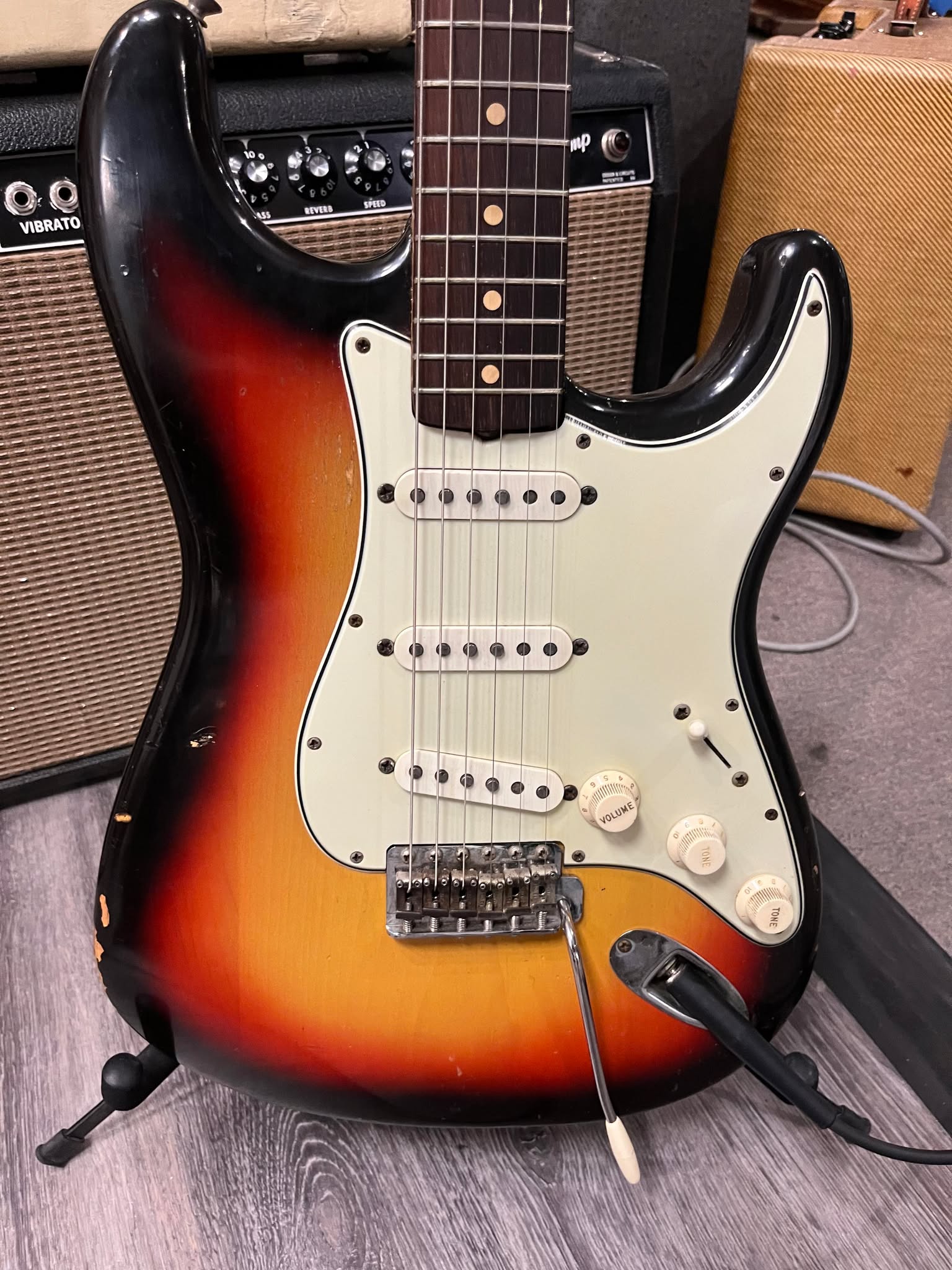
Stratocaster (especially custom colors, pre-CBS)
Telecaster/Broadcaster/Nocaster (early examples)
Precision Bass (1950s-early 1960s)
Jazz Bass (early 1960s, especially stack-knob)
High Value Models:
Jazzmaster (1958-1965)
Jaguar (1962-1965)
Esquire (single-pickup Telecaster)
Moderate Value Models:
Duo-Sonic (student model but collectible)
Musicmaster (student model)
Mustang (later but has following)
Gibson Model Value Rankings:
Highest Value Models:
Les Paul Standard 1958-1960 "Burst" (extraordinarily high)
Flying V (1958-1959 original run)
Explorer (1958-1959 original run)
ES-335 (1958-1964)
High Value Models:
Les Paul Custom (various years)
Les Paul Goldtop (1950s)
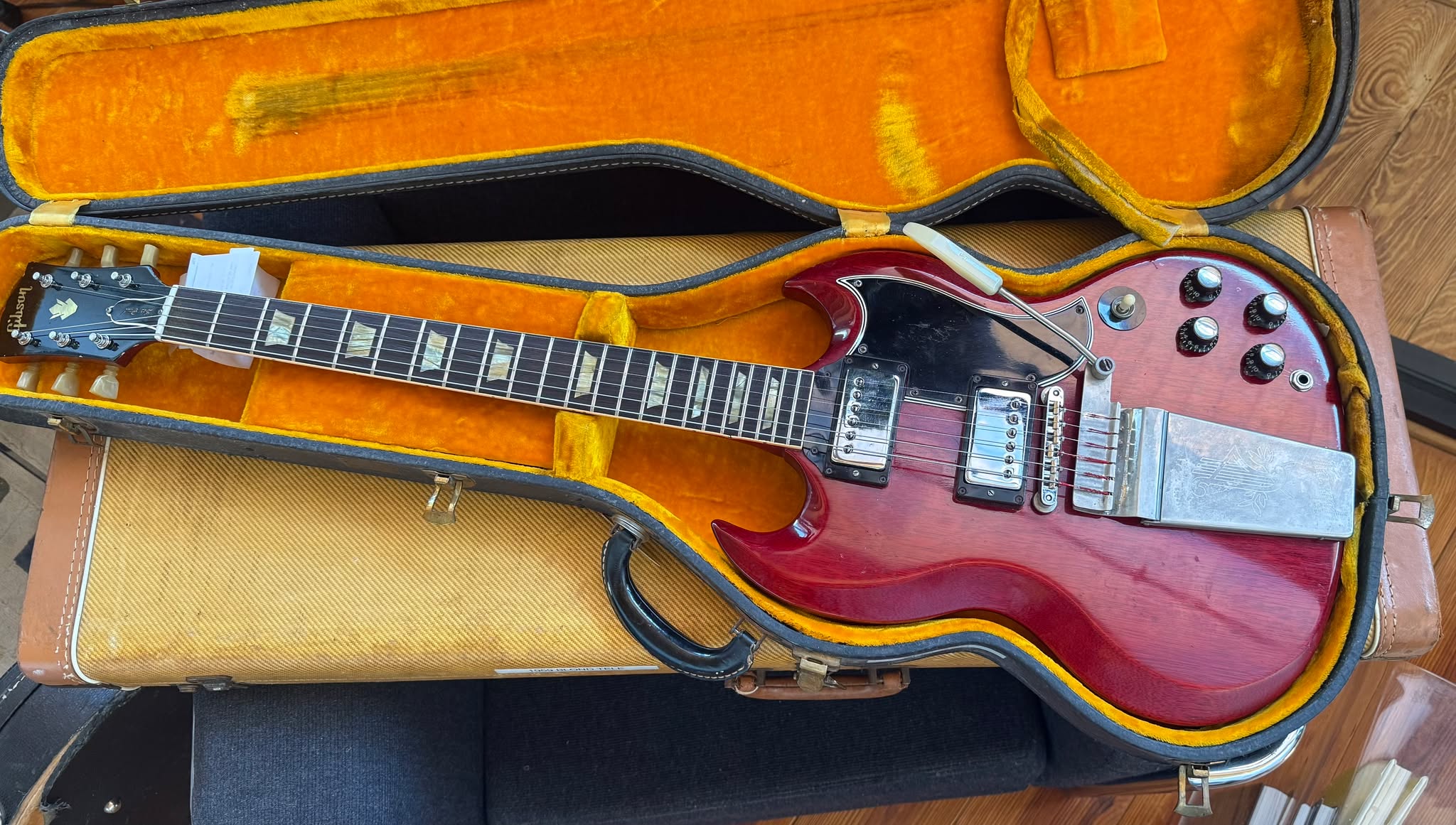
SG (early 1960s)
ES-175, ES-345, ES-355 (1950s-1960s)
Super 400CES, L-5CES (premium archtops)
Moderate to High Value Models:
Les Paul Junior, Les Paul Special (1950s)
Firebird (reverse models)
Various other ES models
J-45, J-50, Hummingbird, Dove (acoustics)
Martin Model Value Rankings:
Highest Value Models:
D-45 (especially pre-war)
OM-45 (very rare)
000-45 (pre-war)
High Value Models:
D-28 (pre-war or Brazilian rosewood)
D-18 (pre-war)
000-28 (vintage)
OM-28 (vintage)
Moderate to High Value Models:
D-35 (Brazilian rosewood)
Various other models with Brazilian rosewood
Post-war D-28, D-18 with quality materials
Why Model Matters
Design Significance: Flagship models that defined their category (Stratocaster, Les Paul, D-28) hold premium positions.
Production Numbers: Rare models or limited production runs command higher interest.
Player Demand: Models that professionals prefer maintain strong markets.
Historical Association: Models played by famous musicians gain collector interest.
Condition: The Critical Value Variable
Even the most collectible model from the perfect era varies tremendously in value based on condition:
The Condition Spectrum
Museum Quality/Mint (Maximum Value):
Appears essentially unplayed
All original parts and finish
No wear, no damage
Original case and accessories
Documentation present
May be new old stock (NOS)
Commands highest possible prices
Extremely rare for genuine vintage guitars
Near Mint/Excellent (Premium Value):
Minimal play wear
All original parts
Original finish with only minor checking
No structural issues
Light surface scratches only
Original case typically present
Commands strong premium prices
Unusual to find in this condition
Very Good/Excellent Minus (Strong Value):
Light to moderate play wear
All major components original
Original finish showing age-appropriate checking
Minor dings or scratches
Possible minor repairs done professionally
Fret wear minimal to moderate
Most common condition for collectible guitars
Commands solid market prices
Good/Very Good Minus (Moderate Value):
Moderate to significant play wear
Original finish with checking, scratches, or minor damage
May have some replaced parts (tuners, nut, saddle)
Possible professional repairs
Frets may need work
Finish may show extensive checking or minor cracks
Still collectible with proper originality
Value reduced but substantial for right models
Fair (Reduced Value):
Heavy play wear
Multiple repairs or replaced parts
Significant finish issues
May have cracks or structural repairs
Functionality may be compromised
Needs professional work
Value significantly reduced
Still has worth if model is right
Poor (Minimal Collectible Value):
Extensive damage
Multiple non-original parts
Refinished or heavy modification
Structural issues
May not be functional
Value as parts guitar or project
Even rare models heavily devalued
Specific Condition Factors
Finish Condition:
Original Nitrocellulose Finish (Pre-1960s guitars):
Fine checking (crackling) expected and acceptable
Natural wear patterns in high-contact areas
Age-appropriate patina valued
Color fading on certain finishes acceptable (even desirable)
Finish should be thin, showing wood grain
Checking adds authenticity, doesn't reduce value significantly
Refinished Guitars (Major Value Reduction):
Complete refinishing reduces collectibility dramatically (40-70% reduction typical)
Even professional refinishing impacts value severely
Color changes from original worse than same-color refinish
Only exception: refinishing by original manufacturer decades ago
Overspray, wrong paint type, or poor execution further reduces value
Neck Condition:
Critical Factors:
Straightness (warps, twists severely impact value)
Fret condition (wear acceptable, but significant divots reduce value)
Headstock integrity (breaks or repairs significantly reduce value, 30-50%)
Binding condition (separation or damage detracts)
Fingerboard condition (worn OK, damaged problematic)
Body Condition:
Structural Integrity:
Cracks in tops (especially acoustics) reduce value unless professionally repaired
Separated braces (acoustic) require repair
Binding separation cosmetic but should be addressed
Dings and dents acceptable if not severe
Belt buckle rash (wear on back) very common, minimally impacts value
Hardware Condition:
Original Hardware (Crucial):
Original tuners, bridge, pickups, electronics significantly important
Replaced tuners reduce value (10-20%)
Replaced pickups on electric guitars major issue (20-40% reduction)
Bridge replacements vary in impact by type
Non-original but period-correct parts less problematic
Patina and Aging:
Tarnished chrome or nickel acceptable (often desirable)
Polishing vintage hardware can reduce value
Natural aging preferred over restored appearance
The Originality Premium
All-original guitars command significant premiums over modified examples:
Complete Originality:
Factory finish intact
All original hardware
Original pickups and electronics (electric guitars)
Original case
No modifications of any kind
Premium can be 50-100% over similar modified examples
Mostly Original:
Original finish
Minor replacement of consumables (nut, saddle, frets if done properly)
Original major components
Premium 20-40% over modified examples
Modified:
Changed pickups, electronics
Replaced hardware
Added or removed parts
Non-original finish
Value reduced 30-60% depending on modifications
Custom Colors and Special Features
Certain features dramatically increase collectibility and value:
Fender Custom Colors
Fender offered special-order custom colors throughout the 1950s and 1960s. These colors command significant premiums over standard sunburst finishes:
Custom Color Premium Factors:
Rarity:
Custom colors represented small percentage of production (perhaps 5-15%)
Certain colors rarer than others
Pre-CBS custom colors most collectible
Visual Appeal:
Distinctive appearance
Matching headstocks typical
Stand out from common sunburst
Special Order Status:
Required extra cost when new
Customer specifically requested
Documentation of original intent
Custom Color Hierarchy:
Extremely Rare Colors (Highest Premium):
Burgundy Mist Metallic
Shoreline Gold
Shell Pink
Foam Green
Very Collectible Colors (High Premium):
Candy Apple Red
Lake Placid Blue
Surf Green
Sonic Blue
Collectible Colors (Moderate Premium):
Olympic White
Dakota Red
Fiesta Red
Black
Important Considerations:
Color must be original factory finish
Refinished guitars in custom colors have minimal premium
Matching headstock crucial for authentication
Fading acceptable and often desirable (especially Fiesta Red)
Some faded colors difficult to identify without checking protected areas
Gibson Special Features
Figured Maple Tops (Les Paul Standards):
Flame or tiger stripe patterns
More pronounced figure commands premium
"Bookmatching" quality matters
Visual appeal drives additional value
Custom Ordered Features:
Bigsby vibratos (factory installed)
Left-handed versions (significantly rarer)
Unusual finish colors
Special inlay patterns
Factory Experimentation:
Prototype features
Transitional specifications
Unusual combinations
Martin Special Features
Brazilian Rosewood (vs. Indian Rosewood):
Martin used Brazilian rosewood through 1969
Switch to Indian rosewood in 1970 creates dividing line
Brazilian rosewood significantly more collectible
Visually distinctive (usually)
Now protected species, cannot be imported
Herringbone Trim:
Pre-war D-28s had herringbone purfling
Discontinued 1947
"Herringbone D-28s" exceptionally collectible
Visual identifier of pre-war production
Adirondack Spruce Tops:
Used on pre-war and some post-war guitars
Superior to Sitka spruce (generally)
Tighter grain, better tonal characteristics
Indicates earlier production typically
Pre-War Construction Details:
Scalloped bracing patterns
Specific construction techniques
Materials no longer available
Other Valuable Features
Left-Handed Guitars:
Significantly rarer (perhaps 10% of production)
Premium for left-handed versions of collectible models
Factory Prototype or Custom Orders:
One-of-a-kind features
Documentation crucial
Exceptional rarity
Celebrity Provenance:
Documented ownership by famous musicians
Photographic or documentary evidence essential
Can multiply value tremendously
Authentication absolutely critical
Rarity Factors
Scarcity drives collectibility, but rarity alone doesn't determine value:
Production Numbers
Extremely Limited Production:
Gibson Flying V and Explorer (1958-1959):
Very few examples made in original run
Flying V: approximately 80-100 original examples
Explorer: fewer than 40 original examples
Rarity creates extraordinary collectibility
Martin OM-45:
Approximately 14 made (1930-1933)
Exceptional rarity
Extraordinary collectibility
Other Limited Runs:
Special editions
Short production periods
Models discontinued quickly
Why Production Numbers Matter:
Fewer examples mean more competition among collectors
Scarcity creates urgency
Limited examples mean condition becomes more critical
Survival Rates
Not all guitars survive in collectible condition:
High Attrition Models:
Student guitars often heavily used and discarded
Inexpensive guitars not preserved carefully
Working musician guitars often modified or worn out
Fewer surviving examples increases collectibility
Well-Preserved Models:
High-end guitars more likely carefully stored
Original owners valued them more
Better survival rates
More examples available reduces individual rarity impact
Year-Specific Rarity
Certain years within model production more collectible:
First Year Production:
First-year examples of iconic models
1954 Stratocasters, 1952 Les Pauls, etc.
Introduction year significance
Last Year Production:
Final examples before discontinuation
1960 Les Paul Standards (last year before SG)
Transitional features
Specification Changes:
Years when important features changed
1957 Gibson Les Paul (PAF introduction year)
1959 Fender Stratocaster (rosewood fretboard debut)
Special Production Years:
Exceptional examples from specific years
1959 Les Paul Standards ("Holy Grail" year)
Unique features or quality
The Rarity Paradox
Rare But Not Valuable: Some rare guitars lack collectibility:
Obscure models nobody wants
Failed designs discontinued for good reason
Rare because unpopular when new
Budget brands with limited appeal
Common But Valuable: Some common guitars remain highly valuable:
1960s Fender Stratocasters (thousands made, still very valuable)
Post-war Martin D-28s (many made, still collectible)
Quality and desirability overcome commonness
The Balance: Rarity combined with desirability creates peak collectibility. Rarity alone insufficient.
Provenance and Documentation
History and documentation add value and confidence:
Celebrity Provenance
Documented Famous Ownership:
Guitars played by legendary musicians
Photographic evidence in use
Video or recording documentation
Written documentation of ownership
Authentication Requirements:
Professional authentication essential
Photographic matching to known images
Serial number verification
Expert examination of wear patterns
Chain of custody documentation
Value Impact:
Can multiply value tremendously (2x-10x or more)
Depends on musician's fame
Documentation quality crucial
Market for specific artists varies
Original Documentation
Value-Adding Documentation:
Original Purchase Receipt:
Proves age and originality
Documents original configuration
Establishes provenance
Particularly valuable for custom color guitars
Original Case:
Period-correct case adds value
Pre-CBS Fender cases collectible themselves
Vintage Gibson cases desirable
Case should match guitar era
Hang Tags and Case Candy:
Original warranty cards
Instruction sheets
Accessories included when new
String packages
Tremolo arms, wrenches, etc.
Factory Documentation:
Gibson shipping ledgers showing original sale
Factory records documenting specifications
Custom order paperwork
Previous Appraisals:
Professional appraisals from earlier years
Insurance documentation
Authentication certificates
Historical Context
Guitars with Stories:
Used in famous recordings
Studio session guitars
Touring instruments
Gifted by manufacturers to artists
Documentation Needed:
Cannot be claimed without proof
Professional authentication essential
Market skeptical without evidence
Common Valuable Guitars to Recognize
Certain guitars consistently command strong market interest:
Fender Guitars with Strong Value
Pre-CBS Stratocasters (1954-1965):
Any year highly collectible
1950s examples exceptional
Custom colors premium
All-original examples most valuable
Even well-played examples valuable
Pre-CBS Telecasters (1950-1965):
Broadcasters and Nocasters (1950-1951) especially rare
1950s blonde examples strong
Custom colors valuable
Consistent collectibility
1960s Jazzmasters and Jaguars:
Originally slow sellers, now highly collectible
Custom colors particularly desirable
Offset guitar revival increased demand
Pre-CBS examples strong market
1950s-Early 1960s Basses:
Precision Bass (especially 1950s)
Jazz Bass (stack-knob 1960-1961 exceptional)
Pre-CBS examples valuable
Gibson Guitars with Strong Value
1958-1960 Les Paul Standards:
Among most valuable guitars period
"Burst" figured maple tops
1959 considered pinnacle year
Even refinished examples valuable
All-original examples extraordinary
1950s Les Paul Goldtops:
Earlier examples with P-90 pickups
Later examples with PAF humbuckers
All highly collectible
Solid market demand
1950s-1960s ES-335:
1958-1964 especially collectible
Dot-neck versions (1958-1962) premium
PAF pickups increase value
Consistent strong market
Other Valuable Gibsons:
Flying V and Explorer (late 1950s)
Early SG models (1961-1965)
Les Paul Customs (various years)
ES-175, ES-345, ES-355
Martin Guitars with Strong Value
Pre-War D-45:
Approximately 91 made (1933-1942)
Extraordinarily collectible
Among most valuable acoustic guitars
Pre-War D-28:
Herringbone trim (before 1947)
Brazilian rosewood
Adirondack spruce
Highly collectible
Brazilian Rosewood Martins:
Any model with Brazilian rosewood (through 1969)
D-28, D-35, D-18, 000-28, OM-28, etc.
Rosewood distinguishes from later Indian rosewood versions
Pre-War 000 and OM Models:
Smaller bodies, exceptional playability
Brazilian rosewood versions
Quality craftsmanship
"Hidden Gem" Guitars That Surprise Owners
Some guitars prove more valuable than owners expect:
Underappreciated Models
Fender Mustangs (1960s):
Originally student models
Now collectible due to grunge/indie association
Competition colors particularly desirable
Pre-CBS examples strong
Gibson Melody Makers (1960s):
Simple student guitars when new
Now collectible for vintage single-cut design
SG-shaped versions desirable
Fender Duo-Sonics/Musicmasters:
Student models with following
1950s examples particularly collectible
Desert Sand finish distinctive
Kay and Harmony Vintage Models:
Budget brands gaining appreciation
1950s-1960s examples
Association with blues and roots music
Playability and vintage tone valued
Faded Custom Colors
What Looks White Might Be Blue:
Sonic Blue Fenders fade dramatically to near-white
Daphne Blue similarly fades
Foam Green becomes nearly white
Checking protected areas reveals original vibrant color
Faded custom colors still command premiums
What Looks Pink Might Be Red:
Fiesta Red fades to salmon or pink
Beautifully faded examples highly desirable
"Faded Fiesta Red" collectible category
Original red visible in protected areas
Plain Vintage Martins
Simple Appointments, High Value:
Pre-war D-18 (mahogany) very valuable despite simple appearance
000-18 from 1930s valuable
Plain appearance belies premium materials and construction
Collectors recognize significance
1960s Imports Starting to Appreciate
Certain Japanese Guitars:
Teisco, Guyatone, early Yamaha
1960s production gaining interest
Quirky designs and features
Affordable entry to vintage market
Values rising from low base
Red Flags for Low-Value Guitars
Certain indicators suggest guitars won't be highly collectible:
Era and Brand Indicators
CBS-Era Fenders (Late 1960s-1980s):
Generally lower collectibility than pre-CBS
Thick finishes, heavier bodies
Three-bolt necks (1970s)
Exceptions exist but typical values lower
1970s-1980s Guitars Generally:
Perceived quality decline across brands
Not yet old enough for vintage premium
Player guitars rather than collectibles
Some gaining appreciation but most modest values
Budget Brands:
Unknown manufacturers
Department store brands
Catalog guitars (Sears, Montgomery Ward)
Some collectibility but generally modest
Exceptions for certain models/years
Condition Red Flags
Refinished Guitars:
Complete refinishing drastically reduces collectibility
Even professional work impacts value
Color changes worse than matching refinish
Only valuable if underlying guitar exceptional
Heavy Modifications:
Routing for different pickups
Added hardware holes
Changed electronics extensively
Converted instruments (electric to acoustic pickup installation)
Home-done modifications
Structural Damage:
Broken headstocks (even repaired reduce value 30-50%)
Body cracks not professionally repaired
Neck issues (severe warps, broken truss rods)
Water damage or fire damage
Missing Parts:
Non-original major components
Replaced pickups (electric guitars)
Wrong bridge or tailpiece
Modern tuners on vintage guitar
Generic replacement parts
Import and Modern Guitars
Recent Production:
Guitars made in last 20-30 years
Normal depreciation like used goods
Not yet collectible vintage
Worth fraction of retail
Made in Mexico, Korea, Indonesia, China (Modern Production):
Budget production guitars
Retail prices already modest
Limited used market value
Depreciation from retail significant
Signature Models (Modern):
Artist signature guitars from recent decades
Normal depreciation
Not collectible like vintage guitars
Market limited to fans of specific artist
When You Need Professional Appraisal
Certain situations require expert valuation:
Signs You May Have Something Valuable
Age Indicators:
Guitar appears to be from 1960s or earlier
Pre-1965 Fender
1950s Gibson
Pre-war or vintage Martin
Brand and Model:
Major brand (Fender, Gibson, Martin)
Recognized collectible model
Unusual or rare model
Original Condition:
Appears all original
Thin finish suggesting nitrocellulose
Vintage hardware intact
Period-correct features
Custom Color:
Fender electric in color other than sunburst
Matching painted headstock
Unusual finish colors
Unusual Features:
Left-handed vintage guitar
Factory custom features
Documented provenance
Why DIY Valuation Has Limits
Authenticity Questions:
Determining if finish is original requires expertise
Identifying refinished guitars challenging
Counterfeit guitars exist
Subtle modifications affect value
Condition Grading:
Professional grading standards vary from casual assessment
Structural issues not visible to untrained eye
Repair history assessment requires experience
Market Knowledge:
Current market values fluctuate
Regional variations exist
Condition nuances affect pricing significantly
Comparable sales research requires expertise
Authentication:
High-value guitars attract counterfeits
Professional authentication essential
Documentation requirements
Expert eye for details
Professional Appraisal Benefits
Accurate Market Valuation:
Current collector market positioning
Condition-specific pricing
Comparable sales data
Regional market knowledge
Authentication:
Original vs. refinished determination
Parts originality verification
Dating confirmation
Counterfeit detection
Documentation:
Written appraisal for insurance
Estate documentation
Sale preparation
Verification for buyers
Guidance:
Selling options discussion
Care and preservation advice
Market timing considerations
Restoration recommendations (if appropriate)
Why Serial Numbers Alone Don't Determine Value
Many owners fixate on serial numbers, but they're just one data point:
What Serial Numbers Tell You
Production Year (Approximately):
Rough dating of production
Cross-reference against other features
Some manufacturers more precise than others
Authentication Support:
Helps verify claimed age
Should match other dating methods
Inconsistencies raise red flags
Production Era:
Indicates pre-CBS, CBS-era, etc.
Helps establish materials and features
Context for specifications
What Serial Numbers Don't Tell You
Condition:
Serial number provides zero information about condition
Guitar might be mint or destroyed
Originality not indicated by number
Modifications:
Doesn't show refinishing
Doesn't indicate replaced parts
No information about alterations
Specific Features:
Doesn't identify custom colors
Doesn't show options or special orders
Doesn't indicate figured woods or premium features
Market Value:
Same serial number range includes wide value variation
Individual characteristics matter enormously
Condition and originality override age
Authenticity:
Serial numbers can be faked
Restamped numbers exist
Requires verification against other features
The Complete Picture
Comprehensive Evaluation Includes:
Serial number dating
Feature verification against known specifications
Condition assessment
Originality determination
Hardware and component authentication
Finish examination
Provenance research
Market comparable analysis
How to Get Accurate Valuation
Understanding your guitar's value requires combining research with expert consultation:
Initial Research
Online Resources:
Completed sales on auction sites (not asking prices)
Vintage guitar dealer websites
Price guides (with recency consideration)
Forums and collector communities
Manufacturer historical information
What to Research:
Same model and year as yours
Condition comparisons
Feature matching (colors, options, etc.)
Recent actual sales
Market trends for that model
Research Limitations:
Online information may be outdated
Asking prices don't equal sale prices
Condition differences hard to assess from photos
Authenticity not always verifiable
Regional market variations
Professional Evaluation
What Experts Provide:
Comprehensive Authentication:
Original finish verification
Parts originality assessment
Dating confirmation
Counterfeit detection
Structural condition evaluation
Accurate Market Valuation:
Current collector market positioning
Condition-specific pricing
Local and national market knowledge
Actual comparable sales data
Value range based on selling method
Written Documentation:
Detailed condition report
Authentication findings
Market analysis
Comparable sales
Insurance valuation
Strategic Guidance:
Selling options comparison
Timing considerations
Preservation recommendations
Enhancement opportunities (setup, proper storage)
Free Professional Valuation from Edgewater Guitars
We provide complimentary expert appraisals:
What's Included:
Comprehensive authentication
Current market valuation
Condition assessment
Originality verification
Value factor explanation
Selling options guidance
No obligation or pressure
The Process:
Step 1: Initial Contact
Call (440) 219-3607 or submit photos via website
Provide guitar information
Brief preliminary discussion
Step 2: Evaluation
For valuable guitars, we travel to you (OH, MI, PA, IN, WV)
Thorough examination and authentication
Detailed condition assessment
Feature and specification verification
Step 3: Valuation Report
Complete written valuation
Market positioning explanation
Comparable sales data
Value range by selling method
Recommendations for next steps
Step 4: Your Decision
No pressure to sell
Time to consider options
Answer all questions
Provide ongoing guidance
Market Trends and Timing
Understanding current market dynamics helps contextualize values:
Strong Market Categories
Consistently Strong:
Pre-CBS Fender guitars (all models)
1950s Gibson guitars (especially Les Pauls)
Pre-war Martin guitars
Original custom color Fenders
All-original condition guitars
Growing Interest:
1960s Gibson SG models
Fender Jaguars and Jazzmasters
Vintage acoustic guitars (folk revival influence)
1970s guitars starting to appreciate
Certain vintage import guitars
Emerging Appreciation:
Later CBS-era Fenders (select models)
1980s guitars entering "vintage" category
Japanese-made vintage guitars
Guild guitars (increasing recognition)
Market Cycles
Economic Influence:
Luxury collectibles sensitive to economic conditions
Strong economy supports higher values
Recessions can soften markets
Long-term trend remains upward
Generational Factors:
Baby Boomers driving vintage market
Younger collectors entering market
Shifting preferences influence specific models
Nostalgia for different eras emerging
When to Value
Best Timing for Evaluation:
When considering selling (obvious)
For insurance purposes (every 3-5 years)
After inheriting (for estate purposes)
Before major decisions (restoration, modifications)
When market particularly strong for your model
What Your Guitar Might Be Worth: General Guidelines
While every guitar requires individual evaluation, general guidelines help set expectations:
Premium Collectible Category
Characteristics:
Pre-CBS Fender, 1950s Gibson, pre-war Martin
All-original condition
Collectible model
Good to excellent condition
Proper authentication
Market Position:
Strong collector demand
Significant market value
Premium over typical guitars
Professional authentication essential
Solid Collectible Category
Characteristics:
1960s Fender/Gibson, post-war vintage Martin
Mostly original
Popular models
Good condition
Some market for modified examples
Market Position:
Consistent collector interest
Substantial market value
Condition affects positioning significantly
Good investment potential
Player Grade Category
Characteristics:
1970s-1980s guitars
Modified vintage guitars
Playing condition more important than originality
Functional and usable
May have non-original parts
Market Position:
Player market rather than collector
Moderate values
Playability and tone primary factors
Less sensitive to originality
Modern Used Category
Characteristics:
Guitars from 1990s-present
Normal depreciation from retail
Not yet vintage collectibles
Standard used guitar market
Market Position:
Depreciation from retail price
Condition and functionality primary
Brand affects depreciation rate
Normal used goods market
Red Flags: What Reduces Value Dramatically
Certain factors significantly diminish vintage guitar values:
Refinishing
Impact: Reduces collector value 40-70% typically
Even professional refinishing impacts value severely
Color changes worse than matching refinish
Original finish crucial for collectibility
Headstock Breaks
Impact: Reduces value 30-50% even with professional repair
Structural integrity concern
Affects playability perception
Visible repairs worse than invisible
Quality of repair matters
Major Modifications
Impact: Reduces value 30-60% depending on extent
Pickup replacements on electric guitars
Routing for different electronics
Added or filled holes
Reversibility matters
Multiple Replaced Parts
Impact: Cumulative reduction, can reach 50%+
Each replacement reduces value
Major components (pickups, bridge) worse than minor (tuners)
Modern parts on vintage guitars problematic
Counterfeit or Misrepresented
Impact: Worth only parts value if fake
Serial number doesn't match features
Claimed age inconsistent with construction
Copied famous guitars
Authentication essential for high-value guitars
Take the Next Step: Get Your Guitar Professionally Valued
Understanding the factors that determine vintage guitar values helps, but accurate valuation of your specific guitar requires expert evaluation:
Why Choose Edgewater Guitars for Valuation
Specialized Vintage Guitar Expertise:
Over 20 years combined experience
Deep knowledge of Fender, Gibson, and Martin
Thousands of guitars evaluated
Recognition of subtle value factors
Comprehensive Evaluation:
Authentication and originality assessment
Condition grading by professional standards
Current market research
Comparable sales analysis
Written documentation
Honest, Transparent Process:
Clear explanation of value factors
Identification of strengths and weaknesses
Realistic market positioning
No inflating value or creating false expectations
Free Service:
No cost for evaluation
No obligation to sell
Educational approach
Your decision on next steps
Contact Edgewater Guitars Today
Phone: (440) 219-3607
Speak directly with vintage guitar specialists
Get preliminary guidance immediately
Schedule in-person evaluation
Ask any questions
Website: [Submit Photos and Information]
Upload photos of your guitar
Provide details and documentation
Receive expert response
Begin valuation process
Email: [Contact Email]
Detailed written inquiries
Send multiple photos
Share any documentation
What to Prepare
Helpful Information:
Clear photos (front, back, headstock, serial numbers)
What you know about the guitar's history
Any documentation you have
Specific questions or concerns
Your location (for potential in-person evaluation)
Our Commitment
When you contact Edgewater Guitars for valuation:
You'll Receive:
Expert knowledge applied to your specific guitar
Honest assessment of condition and originality
Current market valuation
Clear explanation of value factors
Guidance on options if you decide to sell
Professional, respectful service
You Won't Experience:
Pressure to sell
Lowball offers exploiting lack of knowledge
Hidden agendas or fees
Disrespect for your time or questions
Geographic Service
We provide in-person evaluation throughout:
Ohio
Michigan
Pennsylvania
Indiana
West Virginia
Even if you're at the edge of our service area, contact us—we travel for valuable guitars.
Not sure what you have? Upload a few photos to Edgewater's free What's My Guitar Worth tool. It identifies the make, model and approximate year and gives a realistic value range. It is a starting point, not a binding appraisal.
Frequently Asked Questions
"Can you give me a value estimate over the phone just from the model and year?"
Not accurately. While model and year provide baseline information, values vary tremendously based on condition, originality, specific features, and authentication. Two identical model/year guitars can differ by thousands in value. We need to see the guitar (photos or in-person) for accurate valuation.
"Why do online price guides show different values than you're telling me?"
Price guides provide general ranges and can't account for:
Specific condition nuances
Originality details
Market timing
Regional variations
Authentication factors
Individual guitar characteristics
They're useful starting points but can't replace examination of your specific guitar.
"The music store offered me much less than you said it's worth. Why?"
Music stores need large margins (typically 40-60%) between what they pay and what they sell for:
Overhead costs (rent, employees, etc.)
Need to profit on resale
Inventory risk
Limited vintage expertise often
Specialized buyers like Edgewater typically pay 30-40% more than music stores because we have direct collector relationships and don't need retail margins.
"My guitar has a crack. Does that mean it's worthless?"
Absolutely not. Cracks are common on vintage guitars, especially acoustics:
Professional repairs minimize value impact
Structurally repaired cracks on valuable guitars still leave substantial worth
Right model and era maintains value despite repairs
Many valuable guitars have crack repair history
"Should I restore my guitar before getting it valued or trying to sell?"
Usually no. Get professional evaluation first:
Restoration can reduce collector value
Original condition often more valuable than restored
Wrong restoration destroys value
Experts can advise if any work would help
"How much does a refinish really reduce value?"
Significantly. Typical impacts:
40-60% reduction for quality matching refinish
60-70% reduction for color change refinish
70%+ reduction for poor quality refinish
Only exception: factory refinishing decades ago
Original finish crucial for collector market.
"My serial number shows 1965. Does that mean it's pre-CBS?"
Possibly, but not necessarily:
CBS bought Fender in January 1965
Early 1965 guitars are essentially pre-CBS
Late 1965 guitars show CBS influence
Features matter more than exact date
1965 is transition year
"I found an asking price online much higher than your valuation. Why?"
Asking prices don't equal selling prices:
Items can sit unsold for months at inflated prices
Some sellers overestimate values
Actual sales prices matter, not asking prices
Check completed sales, not active listings
"Does the original case really add that much value?"
Yes, for valuable guitars:
Period-correct case confirms originality
Vintage cases collectible themselves (especially pre-CBS Fender)
Adds authenticity
Protection during storage/transport
Typically adds 5-15% to total value for collectible guitars
"My guitar is left-handed. Does that make it more or less valuable?"
More valuable, typically:
Left-handed versions significantly rarer (perhaps 10% of production)
Smaller collector market but scarcity drives premium
Premium typically 20-40% over right-handed equivalent
Depends on model and era
Final Thoughts: Understanding Your Guitar's Worth
Vintage guitar values reflect complex interplay of factors: era, brand, model, condition, originality, features, rarity, and current market dynamics. Two guitars that appear identical to untrained eyes can occupy vastly different value categories based on subtle details.
The most important takeaway: accurate valuation requires expert evaluation of your specific guitar. Online research provides context, but professional authentication and condition assessment determine true market position.
Whether your guitar is an extraordinarily valuable collector piece, a solid vintage instrument, or a functional player, understanding its true worth empowers informed decisions about insurance, sale, or preservation.
Call Edgewater Guitars at (440) 219-3607 or contact us through our website for free professional valuation. Let our vintage guitar specialists help you understand exactly what your guitar is worth and why.
About Edgewater Guitars
Edgewater Guitars specializes in vintage guitar authentication, appraisal, and acquisition throughout the Midwest. Our team brings decades of combined experience in vintage Fender, Gibson, and Martin guitars, providing expert valuation services to hundreds of guitar owners.
About the authors
Edgewater Guitars is owned by Stephen Pedone and Gavin Coe. Stephen handles appraisal and authentication and is best known for authenticating pre-CBS Fender guitars and original custom-color finishes. Gavin has bought, sold and appraised vintage guitars for 16 years and does the in-person buying across Ohio and the surrounding states. Together they have bought and appraised more than 1,250 vintage guitars since 2015. Every value question on this site routes to a free appraisal: call or text (440) 219-3607.
Pre-CBS Fender authentication and valuation
Vintage Gibson appraisal (especially 1950s-1960s guitars)
Pre-war and vintage Martin valuation
Custom color identification and authentication
Condition grading and originality assessment
Current market research and trend analysis
John has valued thousands of guitars, helping owners throughout Ohio, Michigan, Pennsylvania, Indiana, and West Virginia understand their instruments' true market worth.
This guide provides general information about vintage guitar values. Individual guitars vary significantly based on specific features and condition. For accurate valuation of your specific guitar, professional examination is recommended. Contact Edgewater Guitars for expert appraisal services.
Article