DATE :
Complete Guitar Maintenance Guide for 2026
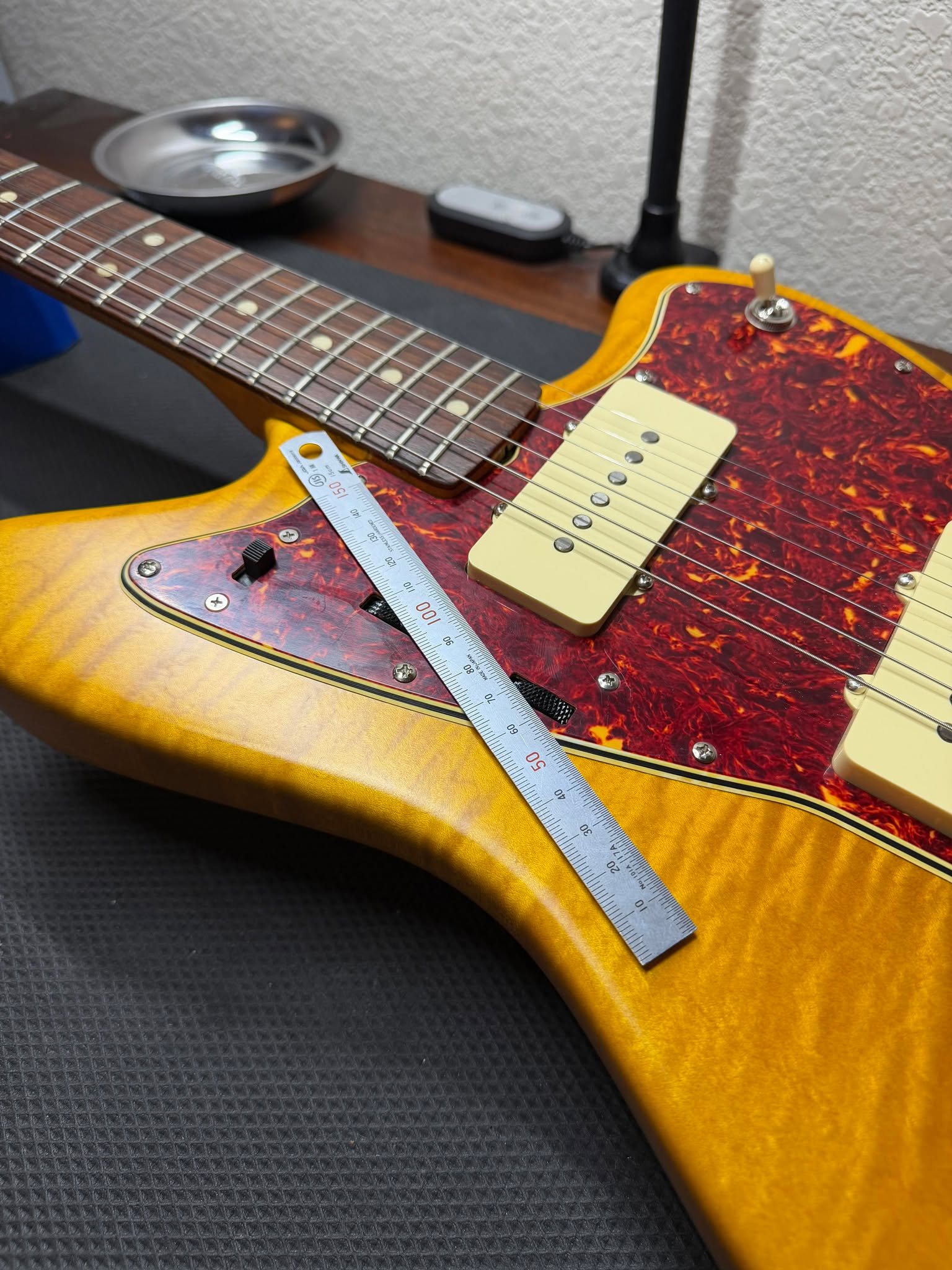
A guitar that’s cleaned after every session, stored at the right humidity, and restrung before the tone goes flat will play better, last longer, and hold its value for decades. Neglect any of these basics, and you’re looking at cracked wood, corroded hardware, and repair bills that could have been avoided.
This guide covers the complete maintenance routine—from daily wipe-downs to humidity control, string changes, hardware care, and the common mistakes that cause the most damage.
Why Regular Guitar Maintenance Matters
Proper guitar care involves regular cleaning after playing, humidity control between 45-55%, temperature regulation away from extremes, proper storage in a case or on a stand, and periodic string changes. These five fundamentals prevent damage from the natural oils on your hands and from environmental shifts that can crack wood, corrode hardware, and make your instrument frustrating to play.
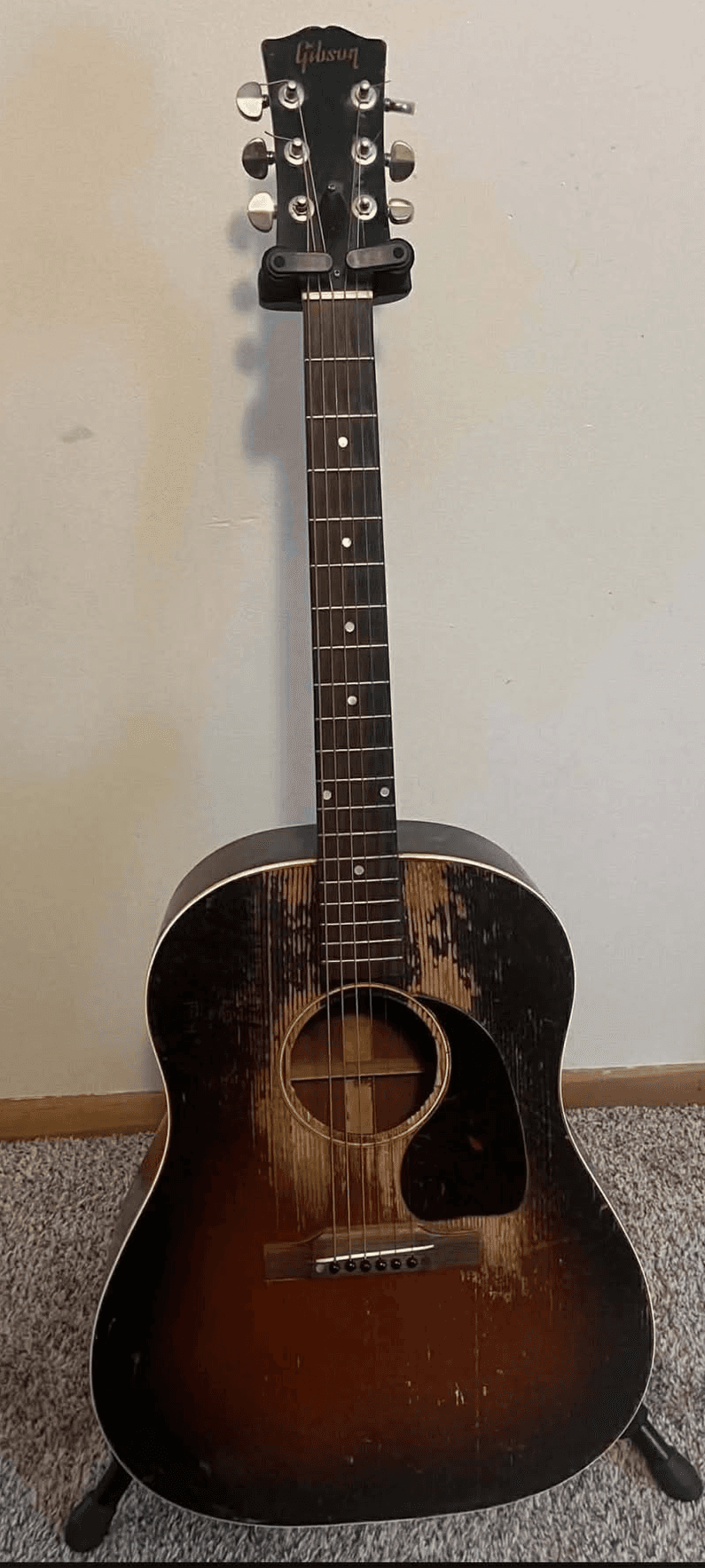
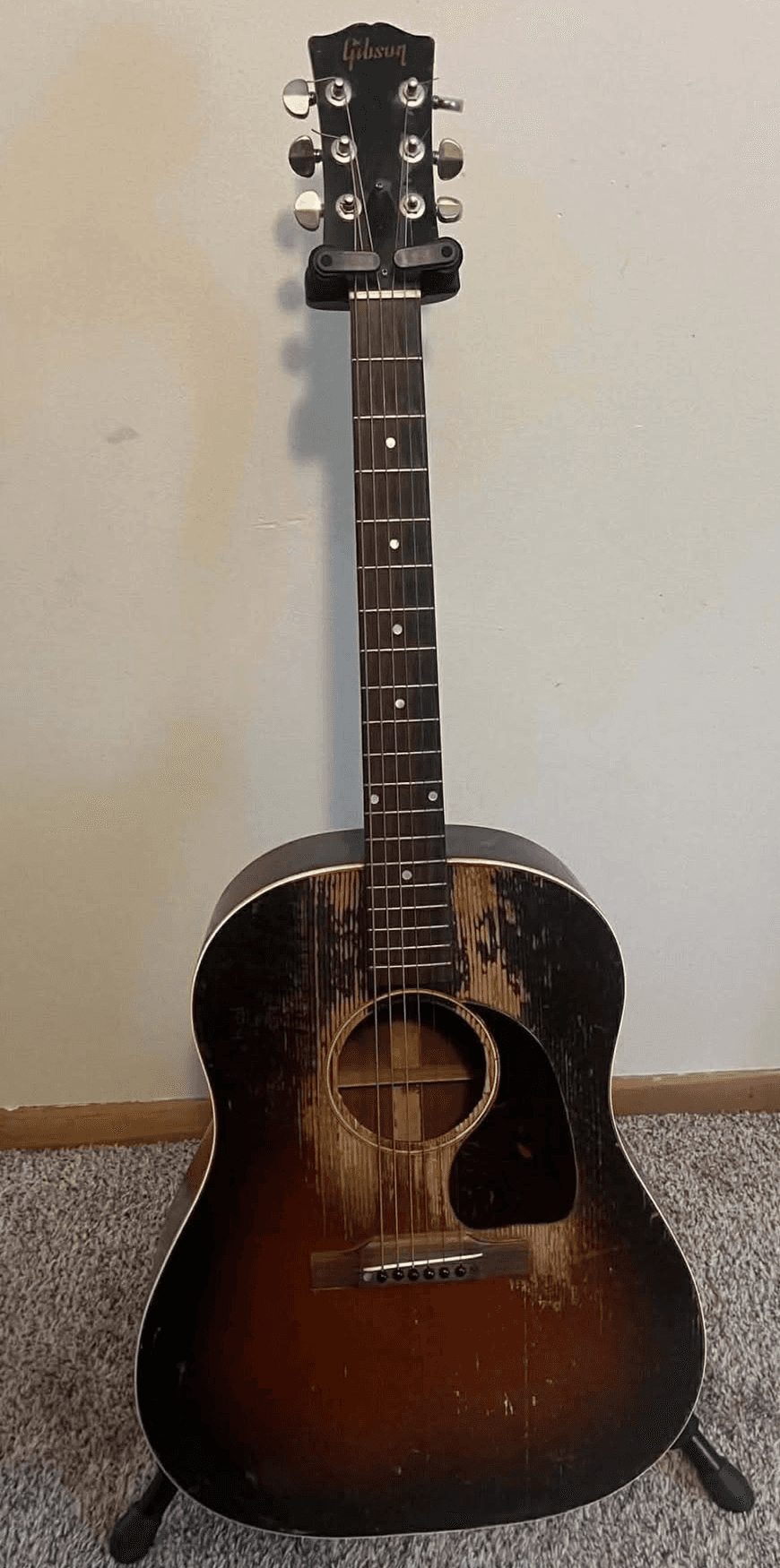
Whether you own a vintage Gibson from the 1950s or a modern acoustic you picked up last year, the same core principles apply. Neglected guitars develop problems that are expensive to fix—and in some cases, the damage is permanent.
How to Clean Your Guitar
A quick wipe-down after each playing session is the most frequent maintenance task you’ll perform. This simple habit prevents sweat, oils, and dirt from building up on the finish and fretboard, where they cause long-term damage if left alone.
Cleaning the Guitar Body and Finish
After you finish playing, take a soft, dry microfiber cloth and wipe down the entire body. This removes fingerprints and oils before they have a chance to degrade the finish.
Your approach depends on the finish type. Gloss finishes can handle guitar-specific polishes, while matte or satin finishes only tolerate a dry cloth—using polish on matte finishes creates unwanted shiny spots. Vintage guitars with nitrocellulose lacquer finishes require nitro-safe products only, as modern polishes can cause serious damage.
Cleaning the Fretboard
A thorough fretboard cleaning happens every time you change strings, when you have clear access to the entire surface. The method varies by wood type.
Rosewood and ebony (unfinished): Apply a small amount of fretboard oil, let it soak for a minute, then wipe off all excess
Maple (finished): Wipe with a slightly damp cloth only—never use oil on a finished maple board
Cleaning the Strings
Wipe your strings with a dry cloth after every playing session. Pinch each string with the cloth and run it from the nut to the bridge. This habit takes thirty seconds and removes corrosive sweat and oils before they cause damage.
Safe Products for Different Guitar Finishes
Never use household cleaners like furniture polish or glass cleaner on your guitar. These products often contain silicone, solvents, or abrasives that damage finishes—especially delicate vintage nitrocellulose lacquer.
Finish Type | Safe to Use | Avoid |
|---|---|---|
Gloss/Polyurethane | Guitar polish, microfiber cloth | Furniture polish, silicone sprays |
Matte/Satin | Dry microfiber cloth only | Any polish or liquids |
Nitrocellulose (vintage) | Nitro-safe polish only | Most modern polishes, solvents |
How to Change Guitar Strings
Periodic string changes keep your guitar sounding and playing its best. Over time, strings lose brightness, corrode, and become difficult to keep in tune.
When to Change Your Strings
There’s no universal timeframe—it depends entirely on how much you play. Instead, watch for these signs:
Dull, lifeless tone: The brightness and clarity have faded
Visible corrosion: Discoloration or rust spots on the strings
Tuning instability: The guitar won’t stay in tune
Rough texture: A grimy, unpleasant feel under your fingers
1. Remove the Old Strings
Loosen the tuners until the strings are completely slack, then unwind them from the tuning posts. On an acoustic, pull out the bridge pins. On an electric, pull the strings through the back of the body or tailpiece. This is the ideal time to clean the fretboard while you have clear access.
2. Clean the Fretboard and Hardware
With the strings off, you can reach the entire fretboard for a deep clean using the methods described above. Take this opportunity to wipe down the tuners, bridge, pickups, and any other exposed hardware to remove accumulated dust and grime.
3. Install and Stretch New Strings
Install the new strings according to your guitar’s bridge and tuner style, ensuring neat windings at the tuning posts. After bringing the strings up to pitch, stretch them by gently pulling each string away from the fretboard along its entire length—a critical step before any Stratocaster pickup adjustments.
Retune, then repeat the stretching process two or three times until the pitch remains stable. Skipping this step means your guitar will constantly go out of tune for the first few days.
4. Tune and Check Intonation
Once the strings are stretched and stable, tune to your desired pitch. After a string change, check the intonation—whether notes play in tune as you move up the neck. If notes at the 12th fret are consistently sharp or flat compared to the open string, a professional setup may be needed.
How to Care for Guitar Strings Between Changes
A few simple habits extend string life significantly, maintaining tone and playability longer between full changes.
Wiping Down Strings After Playing
This is the single most effective thing you can do. After you finish playing, pinch each string with a dry, clean cloth and wipe from nut to bridge.
Using String Cleaners and Lubricants
Optional products designed to clean and lubricate strings can further extend their life and provide a slicker playing feel. Apply sparingly according to product instructions. However, these products aren’t a replacement for consistently wiping down your strings—they’re a supplement.
How to Control Guitar Humidity
Humidity control is one of the most critical aspects of guitar care, especially for acoustic instruments. Wood is a natural material that expands and contracts with moisture changes, and failing to manage humidity can lead to permanent damage.
Ideal Humidity Levels for Guitars
The safe range for acoustic guitars is between 45% and 55% relative humidity, especially critical for pre-war Martins and vintage acoustics. Too dry, and the wood shrinks and cracks. Too humid, and the wood swells—with a 20 percent humidity increase causing up to 1/8 inch expansion—resulting in high action, warping, and a muffled tone.
Solid-body electric guitars are less sensitive than acoustics, but they’re still made of wood and can be negatively affected by extreme humidity swings.
Signs of Humidity Damage
Watch for these warning signs that indicate your guitar is in a dangerous environment:
Too dry: Sharp fret ends sticking out from the neck sides, lowered action causing buzzing, visible cracks in the top or back, sunken top
Too humid: High action making the guitar hard to play, swollen or bulging top, muffled or dead tone, cloudiness in the finish
Humidity Control Tools and Methods
The best approach is keeping your guitar in its case with a dedicated humidity control system. A small digital hygrometer monitors the humidity level inside the case, while in-case humidifiers, soundhole humidifiers, or two-way humidity control packets maintain safe levels.
For an entire room, a room humidifier or dehumidifier works well—particularly useful if you have multiple instruments or prefer keeping guitars on stands.
How to Store Your Guitar Properly
Where you keep your guitar when you’re not playing matters just as much as how you clean it. Proper storage protects against both physical damage and harmful environmental changes.
Using a Guitar Case or Gig Bag
The best place for a guitar is in its case. A hardshell case offers maximum protection against physical impacts and creates a stable micro-climate for humidity control—ideal for long-term storage and travel. A padded gig bag provides good protection from minor bumps and scratches while being more portable for daily use.
Guitar Stands and Wall Hangers
Stands and wall hangers keep frequently played guitars accessible and ready. Ensure any stand or hanger has safe, inert padding at all contact points to avoid finish damage.
Be strategic about placement: avoid direct sunlight, heating or cooling vents, and uninsulated exterior walls where temperatures fluctuate significantly.
Protecting Your Guitar from Temperature Changes
Never leave a guitar in a car trunk, which can reach dangerous temperatures in both summer and winter. After bringing a guitar in from a very different temperature—like a cold car in winter—let it acclimate inside its case for several hours before opening it. Sudden temperature changes cause the wood and finish to expand or contract too quickly, leading to stress cracks.
Long-Term Guitar Storage Tips
If you’re storing a guitar for several months or longer (or if you’ve found an old guitar in the attic)):
Loosen the strings slightly: Reduces tension on the neck during extended storage
Use a hardshell case: With a humidity control system inside
Choose a climate-controlled space: A bedroom closet works well; avoid attics and basements
Check periodically: Monitor humidity levels every few months
How to Maintain Guitar Hardware and Electronics
Keeping hardware and electronics in good condition ensures your guitar functions properly, stays in tune, and avoids costly repairs.
Tuners and Machine Heads
Wipe tuners clean when you change strings and check for loose mounting screws. If a tuner feels stiff or difficult to turn, a tiny drop of light machine oil applied to the gear can help. Smooth, stable tuners are essential for reliable tuning.
Bridge, Saddle, and Nut
Keep the slots on the nut and bridge saddle clean and free of debris. Nut slots that bind or pinch the string are a common cause of tuning problems—the string catches in the slot and then pops free, throwing the tuning off.
Over time, saddles develop wear that affects string height and intonation. Check for deep grooves under the most-played strings.
Frets and Fret Care
When cleaning the fretboard, you can also polish the frets to remove oxidation and make them smooth for string bending. Check for signs of wear, such as flat spots or deep grooves under frequently played positions. Significant fret wear requires professional attention from a luthier.
Pickups, Pots, and Output Jacks
For electric guitars: use a dry cloth to clean pickup tops. If volume or tone knobs make a scratchy sound when turned, a small amount of electronics contact cleaner can resolve the issue. Periodically check that your output jack is tight—a loose jack can lead to wiring damage.
Vintage electronics are particularly delicate, especially original PAF pickups. If you own a collectible guitar, consider having a professional handle any electrical maintenance to preserve originality and value.
Guitar Maintenance Tools and Supplies You Need
You don’t need a full workshop to maintain your guitar properly. A few essential items make routine maintenance easy, and you can acquire them gradually as needed.
Cleaning Cloths and Polishes
Keep at least two soft, clean microfiber cloths—one for the body and one for the strings. You’ll also want a guitar-specific polish safe for your instrument’s finish type, plus a fretboard conditioner if you have an unfinished rosewood or ebony board.
String Winders and Cutters
A string winder is an inexpensive tool that dramatically speeds up string changes. You’ll also need wire cutters to neatly trim excess string from the tuning posts. Many affordable tools combine both functions.
Hygrometers and Humidifiers
For acoustic guitar owners, a small digital hygrometer monitors humidity inside your case, while an in-case humidifier or two-way humidity control packets maintain safe levels.
Basic Setup and Adjustment Tools
A set of Allen wrenches (hex keys) and small screwdrivers allow minor adjustments to saddle height and hardware tightness. However, major adjustments like truss rod tweaks are best left to a professional unless you have experience.
Things You Do to a Guitar That Cause Damage
Sometimes the most important part of maintenance is knowing what not to do.
Using Household Cleaners
Never use furniture polish, glass cleaner, or all-purpose household cleaners on your guitar. These products often contain silicone, solvents, or abrasives that eat through and permanently damage finishes—especially delicate vintage nitrocellulose lacquer.
Ignoring Humidity Levels
Letting a guitar get too dry or too humid is one of the most damaging things you can do, often without realizing it. The dry air of a heated home in winter or thick summer humidity puts immense stress on wood. Cracks and warping caused by humidity are costly and often impossible to fully repair.
Over-Tightening Screws and Hardware
When tightening screws on tuners, strap buttons, or pickguards, stop when they’re snug. Never force them. It’s surprisingly easy to strip screw holes in wood—a common and frustrating repair.
Skipping String Changes Too Long
Playing on dead, corroded strings isn’t just bad for tone. Uneven tension from old strings stresses the nut and tuners, and the rough, rusty surface acts like a file, prematurely wearing down frets and the fretboard.
Leaving Your Guitar Unprotected
A guitar left on a bed, propped on a couch, or leaning against a wall is an accident waiting to happen. These are the most common ways guitars get knocked over, resulting in broken headstocks and other serious damage. Always use a proper case, stand, or wall hanger.
When to Take Your Guitar to a Professional
While you can handle daily maintenance yourself, some jobs require the expertise and specialized tools of a professional guitar technician or luthier. These include truss rod adjustments, fret leveling or replacement, crack repairs, and complex electrical work.
It’s time to see a professional if you notice:
Persistent string buzzing that cleaning and new strings don’t fix
High or uneven action across the fretboard
Intonation problems you can’t resolve
Visible cracks in the wood
Electrical issues like crackling or signal loss
Vintage and valuable guitars especially benefit from professional care to preserve their integrity and value.
How Guitar Maintenance Protects Resale Value
Proper maintenance is about more than playability—it’s about protecting your investment. A well-maintained guitar will always command a higher resale price than a neglected one.
For vintage instruments, originality is paramount. Improper cleaning, modifications, or amateur repairs can significantly reduce collector value. Keeping records of professional setups and care also helps when it’s time to sell.
If you own a vintage or valuable guitar and you’re curious about its current market value, Edgewater Guitars provides free valuations with no obligation.
FAQs About Guitar Maintenance
Is it okay to put WD-40 on guitar strings?
No. WD-40 isn’t designed for musical instruments and can damage your guitar’s finish and fretboard. Use products specifically formulated for guitar strings instead.
How often should I have my guitar professionally set up?
Most players benefit from a professional setup once or twice per year, or whenever the guitar develops persistent playability issues like buzzing or poor intonation.
Can I use furniture polish on my guitar?
No. Furniture polish often contains silicone and other chemicals that damage guitar finishes, especially vintage nitrocellulose lacquer. Always use polish specifically made for guitars.
How do I maintain a guitar I rarely play?
Store it in a hardshell case with a humidity control system, loosen the strings slightly, and check on it every few months to ensure no environmental damage is developing.
Should I loosen guitar strings when storing long-term?
Loosening strings by a half-step or full step reduces tension on the neck during extended storage. Completely removing tension is unnecessary and may cause the neck to shift.
How do I remove stubborn grime from an old fretboard?
Use fine steel wool (0000 grade) very gently on unfinished fretboards like rosewood or ebony, moving with the grain. Condition with fretboard oil once clean.
What maintenance do vintage guitars need that newer guitars do not?
Vintage guitars often have more delicate nitrocellulose finishes requiring nitro-safe products, and their aged wood may be more sensitive to humidity changes. Any repairs or modifications on collectible instruments prioritize preserving originality to maintain value.