DATE :
1959 Fender Telecaster: The Dawn of the Rosewood Era
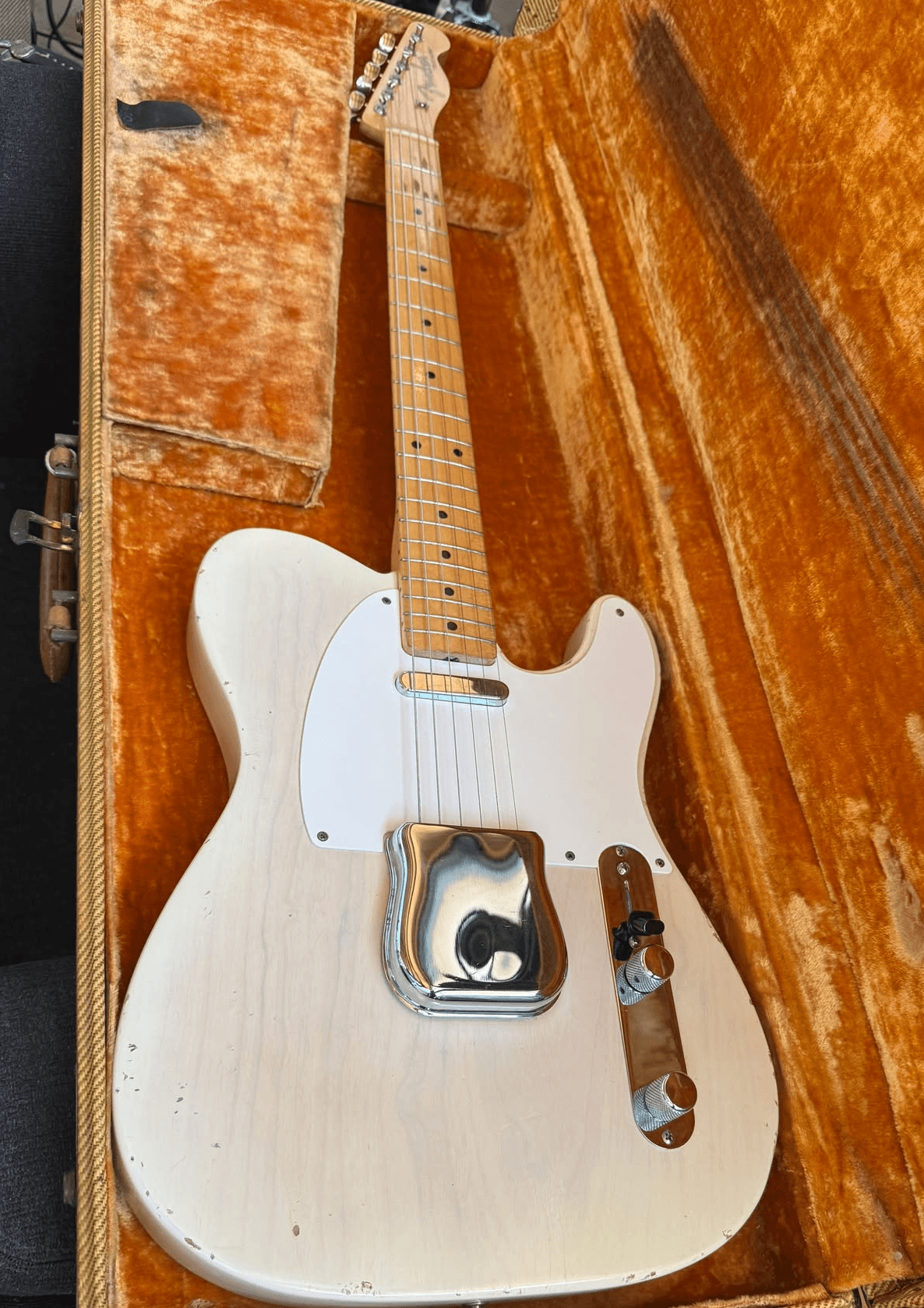
1959 Fender Telecaster: The Dawn of the Rosewood Era
The 1959 Fender Telecaster marked the dawn of the rosewood era, the year Fender moved from a maple to a rosewood fingerboard. Edgewater Guitars buys vintage Fender Telecasters nationwide with free expert appraisals and same-day cash offers. Call or text (440) 219-3607.
The 1959 Fender Telecaster represents one of the most significant transitional years in the model’s history. This was the year Fender introduced the rosewood fingerboard as an option alongside the traditional maple neck, forever changing the tonal palette available to Telecaster players. For collectors, 1959 Telecasters—particularly the increasingly rare all-maple examples—represent the final year of the “pure” 1950s design before the aesthetic and tonal changes that would define the 1960s.
Why the 1959 Telecaster Matters
The 1959 Telecaster sits at a crucial crossroads in Fender history. By mid-1959, Leo Fender had introduced the rosewood fingerboard across the Telecaster and Stratocaster lines, responding to player requests for a warmer, more traditional feel and appearance. This makes 1959 Telecasters particularly interesting: early examples feature the classic all-maple neck that had defined the model since 1951, while later examples showcase the new rosewood fingerboard that would become standard.
What makes 1959 especially significant:
Last year of predominantly all-maple neck production before rosewood became standard
Introduction of the “slab” rosewood fingerboard (thick, flat-bottom rosewood slab)
Peak of 1950s Fender craftsmanship before the 1960s expansion and eventual CBS acquisition
Lightweight ash bodies with thin, resonant nitrocellulose finishes
Hand-wound pickups with exceptional clarity and output consistency
Pre-CBS appointments including original Kluson tuners and steel saddles
The sweet spot between the experimental early 1950s and the production-focused 1960s
Historical Context: Fender in 1959
1959 was a pivotal year for Fender. The company was riding high on the success of the Stratocaster (introduced in 1954) but the Telecaster remained the workhorse guitar for country, rock and roll, and session players. The introduction of the rosewood fingerboard represented Fender’s willingness to evolve based on player feedback while maintaining the core design principles that made the Telecaster revolutionary.
Leo Fender’s decision to add rosewood fingerboards came from multiple sources: players wanted a more traditional look, the dark wood provided better visual reference for fret positions under stage lights, and the tonal characteristics offered a warmer alternative to the bright, snappy all-maple neck. The “slab board” rosewood used in 1959-1962 was substantial—approximately 1/4” thick with a flat bottom glued directly to the maple neck—giving these instruments a distinctive feel and tone compared to the later veneer rosewood boards.
Notable artists playing Telecasters during this period included James Burton (Ricky Nelson’s guitarist), who helped establish the Telecaster as the definitive country guitar, and session legends like Tommy Tedesco who used Telecasters on countless recordings.
Detailed Identification Guide
Serial Numbers
1959 Fender Telecasters feature 5-digit serial numbers stamped on the bridge plate (the metal plate that holds the bridge and pickup). Serial numbers for 1959 typically fall in the 30000-40000 range, though there’s significant overlap with late 1958 and early 1960.
Common 1959 serial ranges:
Early 1959: 30000-34000
Mid 1959: 34000-37000
Late 1959: 37000-40000
Important: Fender’s serial number system during this period was not strictly chronological. Neck dates are far more reliable for precise dating.
Neck Date Stamps
The most reliable dating method is the pencil-written date on the butt end of the neck (visible when the neck is removed from the body). 1959 necks typically show dates in this format:
Early 1959 (maple): “1-59,” “2-59,” “3-59,” “4-59” (month-year format)
Mid-Late 1959 (rosewood transition): “6-59,” “7-59,” “8-59” through “12-59”
The transition from all-maple to slab rosewood occurred approximately in June-July 1959, though some all-maple necks were installed as late as August. Early rosewood examples from 1959 are among the first rosewood Fenders ever produced.
Body Date Markings
Inside the neck pocket or tremolo cavity (on Stratocasters), you may find penciled dates indicating when the body was prepared. These dates should correspond closely with neck dates. Body stamps might also include:
Routing codes
Inspector initials
Wood type notations (ash bodies often marked)
Potentiometer Codes
1959 Telecasters used Stackpole or CTS potentiometers with date codes that can be decoded:
Stackpole Format: 304-59XX (where 304 = Stackpole, 59 = 1959, XX = week) CTS Format: 137-59XX (where 137 = CTS, 59 = 1959, XX = week)
Pots dated between late 1958 (58-40 through 58-52) and throughout 1959 (59-01 through 59-52) are correct for 1959 guitars. Fender commonly used pots from previous months’ stock, so finding late ‘58 dated pots in a 1959 guitar is normal and expected.
Pickup Identification
1959 Telecaster pickups are hand-wound with specific characteristics:
Bridge Pickup:
Black fiber bottom plate with copper-plated steel base
Alnico V magnets (six individual slug pole pieces)
Formvar-insulated wire winding
DC resistance typically 6.0k-6.5k ohms
Cloth-covered output wire (black or yellow)
Neck Pickup:
Chrome-plated brass cover with raised slot-head mounting screws
Alnico III magnets (early 1959) or Alnico V magnets (late 1959)
DC resistance typically 7.5k-8.0k ohms
Slightly overwound compared to later versions
Black cloth-covered output wire
Hardware Specifics
Kluson Deluxe Tuners:
Single-line “Kluson Deluxe” stamp on back
Single-ring mounting with small threaded bushings
Plastic buttons (aged to yellowed cream color)
Steel shaft posts
Bridge Assembly:
Three brass saddles with steel barrel adjustment screws
Each saddle individually height and intonation adjustable
Chrome plating (often showing honest wear by now)
Serial number stamped on bridge plate
Pickguard:
Single-ply black Bakelite (hard, brittle material)
5-screw or 8-screw mounting depending on exact production period
Beveled edge
“Fender” script logo (some examples)
Detailed Physical Specifications
Body Construction
All-Maple Neck 1959 Telecasters:
Body Wood: Ash (blonde finish) or Alder (sunburst—rare in 1959)
Weight: Typically 7-8 lbs (ash bodies can be heavier, 8-9 lbs)
Finish: Thin nitrocellulose lacquer in blonde or sunburst
Binding: No binding (traditional Telecaster style)
Contours: Minimal body contouring (traditional slab body with gentle belly cut)
Slab Rosewood Neck 1959 Telecasters:
Same body specifications as maple neck versions
Sunburst finish becomes slightly more common in late 1959
Neck Specifications (All-Maple)
Profile: Soft V to C-shape (transitional—varies between individual necks)
Width at Nut: 1-11/16” (1.6875”)
Scale Length: 25.5” (Fender standard)
Fretboard: One-piece maple with integrated frets
Frets: Small vintage wire (approximately .070” wide x .040” high)
Fret Markers: Black dot side markers only (no face dots)
Headstock: Traditional Telecaster “paddle” shape with 3+3 tuner configuration
Truss Rod: Single-action, accessed through body end of neck (heel adjustment)
Finish: Clear nitrocellulose lacquer over bare maple
Neck Specifications (Slab Rosewood)
Profile: Soft V to C-shape (same as maple versions)
Width at Nut: 1-11/16”
Fretboard: Brazilian rosewood slab (approximately 1/4” thick, flat bottom)
Fret Markers: Clay dot inlays (circular, creamy white color)
Frets: Vintage wire directly into rosewood (not inset into binding)
Radius: 7.25” (traditional Fender radius)
The slab rosewood boards of 1959-1962 are distinctive from later veneer boards—they’re much thicker and have a flat bottom glued directly to the maple neck, creating a unique feel and tonal characteristic.
Electronics Layout
Volume control (front)
Tone control (middle)
3-way selector switch (rear position)
All pots are 250k ohms (Stackpole or CTS)
0.05 mfd capacitor (brown or black body)
Cloth-covered wiring throughout
Output jack mounted in chrome plate on side
Tonal Characteristics
The 1959 Fender Telecaster delivers the classic “Tele snap” that defined country, rock and roll, and early rock music:
All-Maple Neck Version
Bridge Pickup: The bridge pickup on a 1959 all-maple Telecaster is legendary—bright, cutting, and remarkably articulate. The combination of the copper-plated steel baseplate, Alnico V magnets, and thin nitrocellulose finish creates a tone that cuts through any mix. There’s a distinctive “twang” and “snap” with pronounced treble frequencies and tight bass response. This is the quintessential country guitar tone—every note is clear and defined, even in complex chord voicings.
Neck Pickup: The 1959 neck pickup is slightly overwound compared to later versions, providing a fat, warm tone with surprising depth. The chrome cover and Alnico magnets create a tone that’s darker and rounder than the bridge but still retains Telecaster clarity. This pickup excels at jazz, blues, and rhythm playing.
Middle Position: Combining both pickups creates a scooped, hollow tone perfect for funky rhythm playing and cleaner passages. The out-of-phase quality adds dimension and sparkle.
Overall Character: The all-maple neck contributes significant brightness and snap. The attack is immediate and percussive, with excellent note definition. The thin nitrocellulose finish allows the wood to resonate freely, contributing to the instrument’s lively, responsive feel.
Slab Rosewood Fingerboard Version
Tonal Differences: The slab rosewood fingerboard adds warmth and reduces some of the extreme high-end “ice pick” frequencies that can occur with all-maple necks. The rosewood absorbs some treble content while adding midrange complexity. The result is a slightly warmer, more balanced tone that some players prefer for rock and blues applications.
Bridge Pickup with Rosewood: Still bright and cutting, but with a touch more warmth and body. The extreme top-end is slightly tamed, making the guitar more versatile across different playing styles.
Neck Pickup with Rosewood: Fuller and rounder than the maple version, with enhanced low-mid frequencies. This is the tone that would become standard on 1960s Telecasters.
Why The Difference Matters: The choice between maple and rosewood is ultimately a matter of preference. Maple provides maximum brightness and articulation—perfect for country and “chickn’ pickin’” styles. Rosewood offers warmth and versatility—ideal for rock, blues, and session work where the guitar needs to blend with other instruments.
Common Issues & Modifications
Neck Modifications
Refrets: Most 1959 Telecasters have been refretted at least once due to the small vintage fret wire wearing down over decades of playing. Professional refrets don’t significantly impact value if done correctly, but original frets (even worn) command premiums with collectors.
Refinished Necks: Some maple necks have been refinished to restore appearance. This significantly reduces value (30-40% reduction). Original finish showing honest wear and yellowing from age is preferable.
Warning Signs of Refinish:
Modern polyurethane finish (too thick and glassy)
Lack of age-appropriate yellowing and checking
Overspray on frets or fretboard edges (maple necks)
Wrong finish texture or sheen
Body Refinishes
Refinishing is the single most damaging modification to value:
Complete refinish: 50-60% value reduction
Sunburst over original blonde: 40-50% reduction
Touch-ups and overspray: 15-30% reduction depending on extent
Refinish Warning Signs:
Overspray in neck pocket, control cavity, or pickup routes
Modern finish types (polyester or polyurethane)
Lack of natural aging, checking, and wear patterns
Inconsistent color in hard-to-reach areas
Filled screw holes or routing modifications covered by refinish
Electronics Modifications
Replaced Potentiometers: Very common—look for date codes that post-date 1959 or modern CTS pots. Original pots add to the value.
Replaced Capacitors: The original brown or black body capacitors are often replaced. Original caps add to the value.
Rewiring: Many Telecasters have been rewired with modern wire (original was cloth-covered). Complete original harnesses are increasingly rare and valuable.
Pickup Modifications: Replacement pickups are deal-breakers for serious collectors. Original 1959 pickups with correct DC resistance readings and period-correct construction are essential for maximum value.
Hardware Changes
Tuner Replacements: Kluson tuners are frequently replaced with modern Grovers, Schallers, or other brands. This reduces value. Original Klusons with proper single-line stamps and aged plastic buttons are crucial.
Bridge Modifications: Some owners replace the three-brass-saddle bridge with modern six-saddle versions for improved intonation. This reduces value significantly (15-20%). Original bridges with serial numbers matching the guitar’s production period are essential.
Strap Button Additions: Many early Telecasters have had rear strap buttons added (original design had only front strap button). This minor modification doesn’t significantly impact value if done cleanly.
Structural Issues
Neck Pocket Looseness: Decades of string tension can cause neck pockets to enlarge slightly, creating gaps. Shims may have been added (common and acceptable if done properly).
Body Cracks: Check behind the bridge plate for cracks from overtightened screws or bridge stress. Minor cracks don’t severely impact playability but do affect collector value.
Neck Warping: Some maple necks develop slight warps or twists over decades. Straight necks command premiums.
Why Players Love 1959 Telecasters
Playing Comfort
The 1959 Telecaster remains one of the most straightforward, reliable electric guitars ever designed:
Simplicity: Two pickups, three-way switch, volume, and tone—nothing to get in the way of playing
Lightweight: Most 1959 Telecasters weigh 7-8 lbs, making them comfortable for long playing sessions
Fast neck: The slim late-‘50s profile allows rapid playing and easy chord work
Perfect balance: The solid body design prevents neck dive and balances perfectly on a strap
Accessible controls: The control plate layout puts everything within easy reach
Tonal Versatility
Despite its reputation as a “country guitar,” the 1959 Telecaster excels across genres:
Country players love the bridge pickup’s snap and clarity for chicken-pickin’ and fast runs
Rock players appreciate the aggressive midrange and sustain
Blues players favor the neck pickup’s warm, vocal-like quality
Session players value the versatility and recording-friendly tone that sits perfectly in mixes
Rockabilly players embrace the slap-back echo-friendly brightness
Historical Significance
The 1959 Telecaster represents Fender at its creative peak—willing to innovate (rosewood fingerboards) while respecting the core design that made the instrument revolutionary. These guitars were built during the final years before corporate expansion changed guitar manufacturing forever.
Investment Value
1959 Telecasters have appreciated consistently over the past two decades:
Pre-CBS Fender instruments continue to increase in value as baby boomer collectors compete for the best examples
Transition-year instruments like 1959 models have special appeal to collectors
All-maple 1959 examples are becoming increasingly rare as they’re acquired by collectors and museums
The combination of playability and collectibility makes these excellent investment pieces
Selling Your 1959 Fender Telecaster
If you own a 1959 Fender Telecaster—whether all-maple or slab rosewood—now is an excellent time to consider selling. These instruments have appreciated significantly, and collector demand remains exceptionally strong for pre-CBS Fender guitars.
Why Choose Edgewater Guitars?
Specialized Pre-CBS Fender Expertise: We specialize in 1950s and 1960s Fender instruments and understand the critical differences between all-maple and slab rosewood 1959 Telecasters. Our valuations reflect the nuances that generalist buyers often miss.
Premium Valuations: Our offers typically exceed local guitar shop quotes by 30-40% because we recognize the specific features that make 1959 Telecasters valuable—neck dates, pot codes, original pickups, and transitional features.
Comprehensive Authentication: We provide detailed analysis of:
Neck date verification and interpretation
Potentiometer code dating
Pickup originality and DC resistance testing
Finish authenticity assessment
Hardware verification
Overall originality evaluation
Immediate Payment: No consignment fees, no waiting months for the right buyer, no auction uncertainties. We make immediate cash offers on premium instruments.
White-Glove Service: For high-value guitars like 1959 Telecasters, we travel throughout Ohio, Michigan, Pennsylvania, Indiana, and West Virginia for in-person evaluations. We bring professional photography equipment and documentation materials.
Transparent Process: We explain our valuation methodology and share comparable sales data so you understand exactly how we determined our offer. We respect the emotional connection you have with your instrument.
Ready to sell your 1959 Fender Telecaster? Get your free valuation or call us directly at (440) 219-3607.
Related Resources
Need help identifying or dating your vintage Fender Telecaster?
Complete Fender Serial Number Lookup Tool
Fender Neck Dating Guide (1950-1965)
How to Date Fender Potentiometers
Fender Slab Rosewood vs. Veneer Rosewood Guide
Spotting Refinished Fender Guitars
All-Maple vs. Rosewood: Tonal Differences Explained
Contact us today for your free, no-obligation valuation: (440) 219-3607
By Stephen Pedone, co-owner of Edgewater Guitars. Edgewater is a vintage guitar shop in Valley City, Ohio that buys pre-1970 Fender, Gibson, Martin and Gretsch guitars across Ohio and nationwide. Call or text (440) 219-3607 for a free appraisal.
Sell your 1959 Fender Telecaster
Edgewater Guitars buys vintage Fender Telecasters and other vintage Fenders nationwide. We give free, honest appraisals and fair same-day cash offers, with local pickup or insured nationwide shipping. Call or text (440) 219-3607 or request a free estimate.
How much is a 1959 Fender Telecaster worth?
Value depends on originality, condition, finish, and whether the pickups and hardware are original. The most accurate way to find out is a free appraisal. Send a few photos and the serial number and we will give you an honest market assessment.
Where can I sell a 1959 Fender Telecaster?
Edgewater Guitars buys them directly, nationwide, with same-day cash offers and no obligation. You can also date yours with our Fender serial number lookup.