DATE :
Sunday, May 24, 2026
Takamine Guitar Serial Number Lookup: Complete Dating & Identification Guide
Takamine Guitar Serial Number Lookup: Complete Dating & Identification Guide
Last Updated: March 2026
Takamine has produced acoustic and acoustic-electric guitars continuously from its Nakatsugawa, Japan factory since 1962, with one of the most decodable serial number systems among major Japanese guitar manufacturers. The Takamine format encodes the year and month of production directly into the first four digits of the serial number, making accurate dating straightforward once the convention is understood.
This guide is provided as a free resource for Takamine owners and collectors researching their instruments. It explains the Takamine serial number format, the brand's factory history, what the "Martin lawsuit era" refers to, the Hirade classical series significance, and which Takamine models carry sustained collector interest.
Quick Answer: How to Date a Takamine Guitar by Serial Number
Takamine uses one of the most straightforward serial number formats in the guitar industry. The standard format is:
YYMMXXX or YYMMXXXX
First two digits: Year of production
Next two digits: Month of production (01–12)
Remaining digits: Sequential production number for that month
Example: Serial 78081234 decodes to August 1978, production number 1234.
The single ambiguity in this system involves older serials where the two-digit year could indicate two different decades (e.g., "78" could be 1978 or, theoretically, 1878 — though clearly 1978 in context). Feature cross-referencing and country-of-origin verification resolve any uncertainty.
About Takamine: A Brief History
Takamine was founded in 1962 in Sakashita, Japan (now Nakatsugawa, Gifu Prefecture), as a small workshop making classical guitars. The company is named after Mount Takamine, a peak visible from the factory location. Unlike many Japanese guitar manufacturers that operated through shared factories like Matsumoku or FujiGen, Takamine has manufactured its own instruments at its own facility since founding — and the same Nakatsugawa factory remains in operation today, producing premium Takamine guitars.
Key milestones in Takamine history:
1962: Company founded in Sakashita, Japan, focused on classical guitar production
1968: Mass Hirade joined Takamine and elevated the company's classical guitar work
1970s: Expanded into steel-string acoustic production, including dreadnought designs influenced by Martin and Gibson
Late 1970s: Pioneered acoustic-electric guitar design with the Palathetic pickup system, an under-saddle six-element piezo design developed by Takamine engineers
1979–1980: Settled lawsuit with Martin over headstock shape and adopted the distinctive curved Takamine headstock used since
1980s: Became the leading acoustic-electric guitar brand for professional performers
Present day: Continues premium production at the original Nakatsugawa factory; G-series budget production at overseas facilities
Notable Takamine players include Bruce Springsteen (extensive use of Takamine acoustic-electrics throughout his career), Glenn Frey of the Eagles, Jon Bon Jovi, Garth Brooks (whose signature model became one of Takamine's most recognized instruments), Toby Keith, John Jorgenson, Steven Curtis Chapman, and many country, folk, and rock acoustic-electric players who shaped the 1980s and 1990s live performance landscape.
Takamine's reputation rests on three primary areas: the Hirade classical series, the Palathetic pickup-equipped acoustic-electric line, and the annual Limited Edition (LTD) models that began in 1987.
Why Takamine Serial Numbers Are More Decodable Than Most
Compared to brands like Yamaha, Aria, or pre-1987 Ibanez, Takamine serial numbers are notably transparent:
The YYMMXXX format is consistent across most production lines and decades
The year encoding is direct rather than disguised through letter codes or rotating alphabets
Cross-reference is straightforward — country-of-origin stamps and model number verification confirm the decoded date
The challenges with Takamine dating sit primarily with very early instruments (pre-1972) where serial conventions were less consistent, and with G-series budget models produced overseas, where serial formats may differ from the standard Japan-made convention.
Takamine Serial Number System Explained
The Standard YYMMXXX Format
For Takamine guitars from approximately 1972 onward, the serial number follows this convention:
Position | Meaning | Example |
|---|---|---|
First 2 digits | Year | 78 = 1978 |
Next 2 digits | Month (01–12) | 08 = August |
Remaining digits | Production sequence for that month | 1234 = the 1234th unit |
Full example decodings:
78081234 = August 1978, production #1234
9501567 = January 1995, production #567
0207890 = July 2002, production #890
15042345 = April 2015, production #2345
Decade Ambiguity in Two-Digit Year Codes
The single recurring ambiguity in Takamine dating involves the two-digit year. A serial beginning with "85" could indicate 1985 or 1885 — though obviously 1985 in context for any acoustic guitar. More practically, a serial beginning with "05" could indicate 2005 or, less likely, 1905.
For Takamine specifically, decade ambiguity is resolved by:
Country-of-origin stamping: "Made in Japan" stamping conventions evolved over the decades
Headstock logo style: The Takamine logo has evolved subtly across eras
Model number conventions: The Takamine model numbering system has changed over time
Pickup system identification: Palathetic pickup designs and preamp models evolved, providing dating reference points
Hardware specifications: Tuners, bridges, and saddles followed model-specific timelines
Where to Find Your Takamine Serial Number
Takamine serial number locations are consistent across most models:
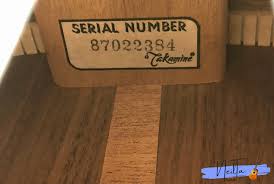
Interior label: Primary location for nearly all Takamine acoustic and acoustic-electric guitars. Visible through the soundhole on the back interior, typically attached to the back panel. The label includes the model number and serial number.
Neck block stamp: Some models also have the serial stamped or written on the neck block, visible through the soundhole.
Takamine Production Locations
Nakatsugawa, Japan: The Primary Factory
The Nakatsugawa factory (originally in Sakashita) has produced Takamine guitars since 1962 and remains the company's primary production facility. Premium Takamine series — including the Pro Series, Legacy series, Hirade Classical series, LTD annual models, and signature artist models — are built at Nakatsugawa.
Japan-made Takamine instruments are identified by:
"Made in Japan" stamping on the interior label
Standard YYMMXXX serial format
Premium-tier model designations (typically prefixed with P, L, or specific series codes)
G-Series Overseas Production
The Takamine G-series, introduced to provide accessible price points for the brand, has been produced at various overseas facilities at different points in its history, including Korean and Chinese factories. G-series instruments are identified by:
"Made in Korea," "Made in China," or other non-Japan country-of-origin stamping
G-series model prefixes (e.g., GD20, GN30, GS series)
Lower-tier hardware and electronics specifications relative to Japan-made Pro Series equivalents
G-series Takamines are well-regarded as entry-tier acoustic-electric guitars but occupy a different collector and value tier than Japan-made Takamines.
The Martin Lawsuit Era
A piece of Takamine history that parallels the better-known Ibanez/Gibson lawsuit story: in the late 1970s, Martin pursued legal action against Takamine over the headstock shape used on Takamine's Martin-style dreadnought copies. The Takamine headstocks from this period closely resembled the Martin headstock silhouette.
The settlement and design change: Following the lawsuit settlement around 1979–1980, Takamine adopted the distinctive curved-top headstock design that has remained the brand's signature visual element ever since. Pre-settlement Takamine dreadnoughts with Martin-style headstocks are sometimes called "lawsuit-era" Takamines, paralleling the terminology used for pre-1977 Ibanez Les Paul copies.
Lawsuit-era Takamine collectibility: These pre-1979 instruments have collector interest among Japanese vintage acoustic enthusiasts, though they do not command the same level of demand as lawsuit-era Ibanez Les Paul copies. Build quality on these early Takamines is generally high, reflecting the Nakatsugawa factory's standards even in the pre-acoustic-electric era.
The Hirade Classical Series Significance
Mass Hirade, who joined Takamine in 1968, elevated the company's classical guitar work to professional concert-quality standards. The Hirade Classical Series — instruments built in the traditional Spanish classical guitar style with the highest level of Takamine craftsmanship — represents the brand's top tier and is the line most likely to be encountered by collectors of classical guitars rather than steel-string acoustics.
Hirade-grade Takamines are identified by:
Specific model numbering (Concert Classic, No. 5, No. 6, etc.)
Premium tonewood combinations including solid Brazilian or Indian rosewood backs and sides
Hand-built construction with elevated fretwork and finishing
Signature labels indicating Hirade-grade construction
These instruments command top-tier valuations within the Takamine catalog and have sustained demand among classical guitar collectors who recognize Hirade's contribution to Japanese classical guitar manufacturing.
The Palathetic Pickup and the Acoustic-Electric Revolution
Takamine's signature contribution to guitar technology is the Palathetic pickup system, an under-saddle six-element piezo pickup that Takamine engineers developed in the late 1970s. Each pickup element sits beneath an individual string saddle, providing balanced string-to-string output and natural amplified tone that was a significant improvement over the contact-mic and single-element piezo systems used previously.
When combined with Takamine's onboard preamps (the Cool Tube preamp, CTP-3, CTP-2, and others across various model generations), the Palathetic system established Takamine as the leading manufacturer for professional acoustic-electric guitars during the 1980s and 1990s. Bruce Springsteen's extensive use of Takamine acoustic-electrics during his Born in the U.S.A.-era and subsequent tours brought the brand significant cultural visibility.
Takamine acoustic-electric guitars from this era — particularly Pro Series and signature models with original Palathetic systems and period-correct preamps — carry sustained collector and player interest.
Most Collected Takamine Models
These Takamine models carry the strongest current collector and player interest:
Classical guitars:
Hirade Concert Classic series: Top-tier hand-built classical guitars; premium collector demand among classical specialists.
Hirade No. 5, No. 6, and higher-numbered models: Premium tonewood combinations and elevated construction.
Acoustic-electric guitars:
Pro Series dreadnoughts (PD, PT, P-series with various designations): Japan-made acoustic-electrics with Palathetic pickups; sustained player demand for clean examples.
Legacy series: Premium acoustic-electrics representing the top of the Japan-made line.
EF series: Mid-to-premium acoustic-electrics with extensive model variations.
Limited Edition (LTD) annual models (1987–present):
Each year, Takamine produces a Limited Edition model with distinctive appointments, inlays, and tonewood combinations
The LTD '87, LTD '88, and subsequent annual releases have built sustained collector interest
Annual LTD models are typically built in production runs of a few hundred to a few thousand units
Early LTD models (late 1980s through 1990s) have grown in collector value
Signature artist models:
Garth Brooks signature models: Particularly the GB7C and earlier signature variants
Bruce Springsteen signature models: Recent additions to the signature line
John Jorgenson signature classical
Glenn Frey signature
Pre-lawsuit dreadnoughts (1972–1979):
Martin-style headstock examples have collector interest, particularly clean original-condition examples with intact original labels
Red Flags: Authentication and Identification Issues
Common issues to watch for when researching a Takamine:
Misrepresented G-series. Korean or Chinese G-series Takamines are sometimes represented as Japan-made instruments. Verify the country-of-origin stamp on the interior label.
Replaced electronics. Original Palathetic pickup systems and period-correct preamps (Cool Tube, CTP-3, CTP-2, etc.) command better collector valuations. Aftermarket pickup replacements reduce originality value.
Refinished examples. Aged nitrocellulose lacquer on a vintage Japan-made Takamine should show natural amber tinting and consistent wear patterns. Refinished examples reduce value significantly. Faded, naturally aged finishes are correct and desirable on vintage acoustics.
Top crack repairs. Like all acoustic guitars, Takamine tops are vulnerable to humidity-related cracks. Well-executed repairs are acceptable but should be disclosed.
Replaced tuners or bridges. Original Takamine hardware contributes to collector value.
Misrepresented LTD models. Annual Limited Edition production numbers vary; verify the LTD year against documented production specifications. Reproductions or misrepresentations occasionally appear in online listings.
What Affects a Takamine's Collector Value
Era and origin: Japan-made Takamines from the Nakatsugawa factory sit at the top tier of Takamine valuations. G-series overseas production occupies the entry-to-mid tier regardless of model age.
Series and tier: Hirade Classical series sits at the absolute top tier for classical players. Pro Series, Legacy series, and signature artist models occupy the upper Japan-made tier. Mid-line Japan-made acoustic-electrics command solid mid-to-upper tier valuations. G-series instruments occupy entry to mid tier.
Limited Edition designation: Annual LTD models from the late 1980s through 1990s have growing collector interest. Early LTD examples (LTD '87 through approximately LTD '95) typically command premium valuations within the Takamine catalog.
Originality: All-original examples with original Palathetic pickups, original preamps, original hardware, and original finish command meaningful premiums over modified examples.
Player association: Signature models tied to notable artists (Garth Brooks, Bruce Springsteen, others) benefit from sustained cultural demand within their respective audiences.
Condition: Crack-free tops, intact original labels, original neck angle, clean fingerboards, functional original electronics, and original cases all contribute to upper-tier valuations.
Further Research Resources
For deeper Takamine research, the following community resources are valuable:
Takamine's official website maintains documentation on current model lines and historical context.
Vintage guitar publications including Vintage Guitar magazine and Acoustic Guitar magazine have published Takamine-focused features and dating references over the years.
Acoustic guitar forum communities including the Acoustic Guitar Forum and various Takamine-focused Facebook groups maintain catalog archives and member-contributed serial number observation databases.
Annual LTD documentation from collector communities tracking the year-by-year Limited Edition releases provides specifications and production information.
Original Takamine catalogs (available through collector communities and archives) provide year-specific feature documentation.
Frequently Asked Questions About Takamine Serial Numbers
How do I tell what year my Takamine guitar was made? Takamine uses one of the most straightforward serial number systems in the guitar industry. The format is YYMMXXX, where the first two digits indicate the year, the next two digits indicate the month, and the remaining digits are the production sequence for that month. A serial of 9504567 indicates April 1995, production number 567. The serial number is located on the interior label visible through the soundhole.
Are Takamine guitars valuable? Japan-made Takamines from the Nakatsugawa factory carry sustained collector interest, particularly Hirade Classical series instruments, Pro Series and Legacy series acoustic-electrics, annual Limited Edition (LTD) models, and signature artist models. G-series Takamines made overseas occupy the entry-to-mid tier regardless of age. Pre-1979 "lawsuit-era" Takamines with Martin-style headstocks have collector interest among Japanese vintage acoustic enthusiasts.
Where are Takamine guitars made? Premium Takamine series have been made at the company's original Nakatsugawa, Japan factory continuously since 1962, including the Pro Series, Legacy series, Hirade Classical series, annual LTD models, and signature artist models. The G-series budget line has been produced at various overseas facilities including Korean and Chinese factories. Country-of-origin stamping on the interior label confirms the production location.
What is a Hirade Takamine? A Hirade Takamine is a classical guitar built at the top tier of Takamine's classical line, named after Mass Hirade, the master luthier who joined Takamine in 1968 and elevated the company's classical guitar work to professional concert-quality standards. Hirade-grade classicals feature premium tonewood combinations, hand-built construction, and signature labels indicating their elevated status. They command top-tier valuations within the Takamine catalog.
Where is the serial number on a Takamine guitar? On Takamine acoustic and acoustic-electric guitars, the serial number is located on the interior label visible through the soundhole on the back interior. The label includes the model number, serial number, and typically the country-of-origin marking. Some models also have the serial stamped or written on the neck block visible through the soundhole.
What is a Limited Edition Takamine? Limited Edition (LTD) Takamines are annual special-release models that Takamine has produced since 1987. Each year's LTD model features distinctive appointments, inlays, and tonewood combinations not found in the regular production lineup. Annual LTD models are typically built in production runs of a few hundred to a few thousand units. Early LTD models from the late 1980s and 1990s have built sustained collector interest.
Related Resources
This Takamine serial number guide is part of Edgewater Guitars' collection of vintage guitar identification resources:
Gibson Serial Number Lookup Tool — edgewaterguitars.com/guitar-serial-number-lookup/gibson
Fender Serial Number Lookup Tool — edgewaterguitars.com/guitar-serial-number-lookup/fender
Gretsch Serial Number Lookup Guide
Rickenbacker Serial Number Lookup Guide
Yamaha Serial Number Lookup Guide
Aria Serial Number Lookup Guide
Guild Serial Number Lookup Guide
Ibanez Serial Number Lookup Guide
Edgewater Guitars publishes free identification resources for guitar owners and collectors. This Takamine guide is provided as a research reference. Edgewater Guitars specializes in purchasing premium vintage American-made guitars throughout Ohio, Michigan, Pennsylvania, Indiana, and West Virginia — including Gibson, Fender, Martin, Gretsch, and Epiphone instruments.